Hybrid animals happen when different species or subspecies mate, creating unique creatures with mixed traits. Examples include liger, grolar bears, and zebroids, which can vary in fertility and appearance. Environmental factors like habitat overlap and climate change increase their chances of interbreeding. Understanding how hybrids form, their impact on biodiversity, and ethical concerns helps you grasp the significance of these fascinating animals. Keep exploring to discover more about their origins and implications.
Key Takeaways
- Hybrid animals result from interbreeding between two different species, often producing offspring with mixed traits.
- Fertility of hybrids varies; some are sterile (e.g., ligers), while others like female dzos can reproduce.
- Hybridization is influenced by environmental factors, habitat overlap, and human activities increasing contact between species.
- Reproductive barriers, such as genetic incompatibilities, often prevent successful hybridization or lead to sterile offspring.
- Hybrids can impact biodiversity, evolutionary paths, and raise ethical and conservation concerns regarding their management.

Randimals Hork Horse & Shark Hybrid Plush Stuffed Animal, 15in
- Hybrid Plush Animal: Horse and shark combination toy
- Soft and Cuddly: Made with premium, soft fabrics
- Promotes Uniqueness: Celebrates diversity in toys
As an affiliate, we earn on qualifying purchases.
As an affiliate, we earn on qualifying purchases.
Examples of Hybrid Animals Around the World
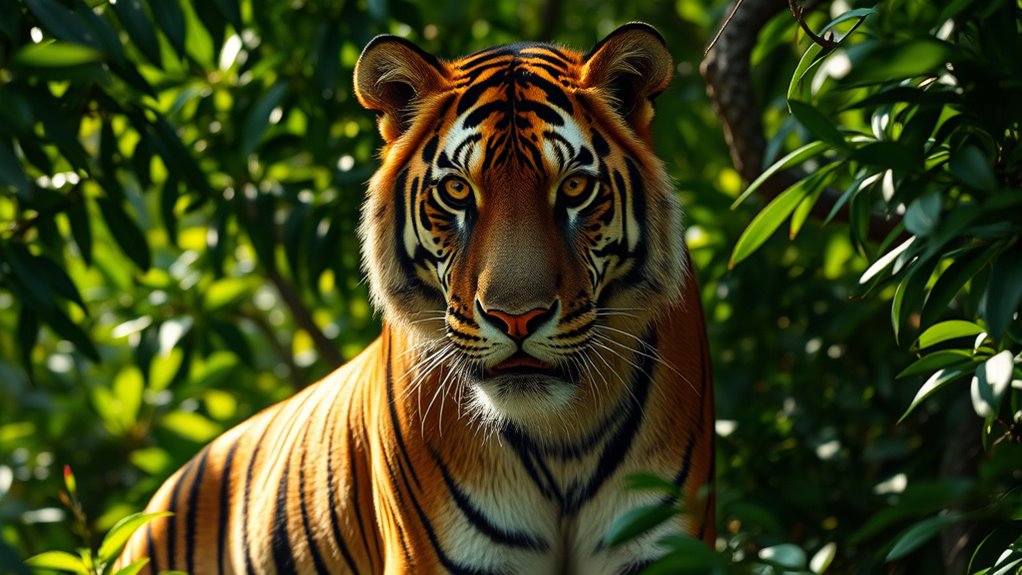
Have you ever wondered how hybrid animals occur across the globe? These fascinating creatures result from interbreeding between different species, often in overlapping habitats or captivity. In the wild, grolar bears, a mix of polar and grizzly bears, have been spotted in Arctic regions since 2006. Central Asia hosts the dzo, a sturdy hybrid of yak and cattle, valued for their strength. In captivity, lions and tigers produce ligers and tigons, often in zoos. The Arctic hosts the narluga, a beluga-narwhal hybrid, with traits from both species. In North America, coywolves—wolves, coyotes, and dogs—are expanding populations. Surprisingly, fish hybrids like the sturddlefish, a blend of sturgeon and paddlefish, were created accidentally. These examples highlight how hybrid animals emerge worldwide, driven by environmental factors and human influence. Hybridization processes play a key role in the occurrence of these unique creatures. Notably, some hybrid animals can exhibit unexpected traits that differ from their parent species, adding to their intrigue. Additionally, genetic diversity resulting from hybridization can sometimes lead to increased adaptability in changing environments. The study of hybrid animals also offers insights into evolutionary processes, helping scientists understand how species evolve over time. Moreover, advances in genetic technology are enabling researchers to better understand and even manipulate hybridization outcomes, revealing the complex dynamics behind their development.
How Hybrid Animals Are Born: Genetic and Reproductive Factors

You should understand that hybrid fertility varies depending on genetic compatibility and reproductive barriers. Some hybrids, like female dzos, can reproduce, while others, such as males, are sterile. These differences determine whether hybrids can establish stable populations or remain limited to their initial occurrences. Advances in AI-powered biology tools are also aiding scientists in understanding genetic compatibility, which influences hybrid viability. Additionally, reproductive barriers play a crucial role in preventing or enabling the successful reproduction of hybrid species. Understanding speciation processes offers deeper insights into how new species emerge and the factors that maintain or disrupt reproductive isolation. Recognizing genetic factors helps explain why some hybrids are fertile and others are not, highlighting the complexity of hybridization events. Moreover, ongoing research into genetic diversity provides a clearer picture of how hybrid vigor or weakness affects their survival and reproduction.
Hybrid Fertility Variations
Hybrid fertility varies widely due to genetic compatibility and reproductive barriers between parent species. Some hybrids, like female dzos (dzomo), are fertile because their reproductive systems align with their parent species. Others, such as males in many hybrids, are sterile, like most ligers and tigons, due to mismatched chromosomes preventing successful gamete formation. Factors like chromosome number, gene compatibility, and reproductive timing influence fertility levels. The table below summarizes these variations:
| Hybrid Type | Fertility Status | Notes |
|---|---|---|
| Dzo | Partial (female) | Male sterile |
| Liger/Tigon | Variable | Often sterile, some exceptions in captivity |
| Grolar Bear | Usually sterile | Rare natural occurrence |
| Narluga | Likely sterile | Hybridization in wild conditions |
| Coywolf | Fertile | Multiple species interbreeding |
Understanding these differences helps clarify how hybrid animals may or may not sustain populations over time.
Reproductive Barriers Impact
Reproductive barriers play a crucial role in determining whether hybrid animals can be born and successfully reproduce. These barriers include genetic differences that prevent sperm from fertilizing eggs or cause embryonic development failure. When two species have incompatible chromosomes or gene sequences, hybrid viability drops, leading to sterility or non-viability. For example, male ligers are often sterile due to mismatched sex chromosomes, while female dzo can reproduce because of closer genetic compatibility. Reproductive barriers also involve behavioral factors, such as mating preferences or timing, which limit cross-species pairing. Environmental influences, like habitat overlap, increase hybridization chances but don’t guarantee successful reproduction if genetic barriers remain strong. Reproductive barriers also involve biological and behavioral factors that influence hybrid viability. The genetic compatibility between species is a key factor that determines the likelihood of successful hybridization and fertility. Additionally, advances in genetic research have provided deeper insights into how chromosomal incompatibilities affect hybrid outcomes. The strength of these barriers, including chromosomal mismatches, shapes hybrid formation, fertility, and the potential for establishing new or hybrid populations, especially as scientists explore genetic markers to better understand these processes.
Environmental Conditions That Promote Hybridization

Environmental conditions such as habitat overlap, climate change, and human activity greatly increase the likelihood of hybridization among animal species. When habitats overlap due to shifting environments or expanding ranges, species that rarely interacted before come into contact, creating opportunities for interbreeding. Climate change, especially in polar regions, pushes species like polar bears and grizzlies into shared territories, promoting hybridization. Human activities, such as breeding programs and habitat modification, also encourage hybrid formation—like the creation of hybrids in captivity or through livestock practices. Additionally, declining populations of certain species can lead to increased crossbreeding as animals seek mates outside their usual groups. These conditions disrupt natural reproductive barriers and open new pathways for gene flow, ultimately influencing the genetic makeup of populations. Genetic exchange can further accelerate the emergence of hybrid species, especially under these environmental pressures. Moreover, advances in reproductive technologies and artificial breeding have made it easier to produce hybrids intentionally, impacting natural evolutionary processes. Such environmental changes can also lead to the introduction of new hybrid species, which may have significant ecological consequences. In some cases, hybridization can result in genetic diversity that benefits species adaptability but may also threaten the integrity of purebred populations. Recognizing these factors highlights the importance of understanding species interactions in the context of environmental change.
The Impact of Hybrid Animals on Evolution and Biodiversity
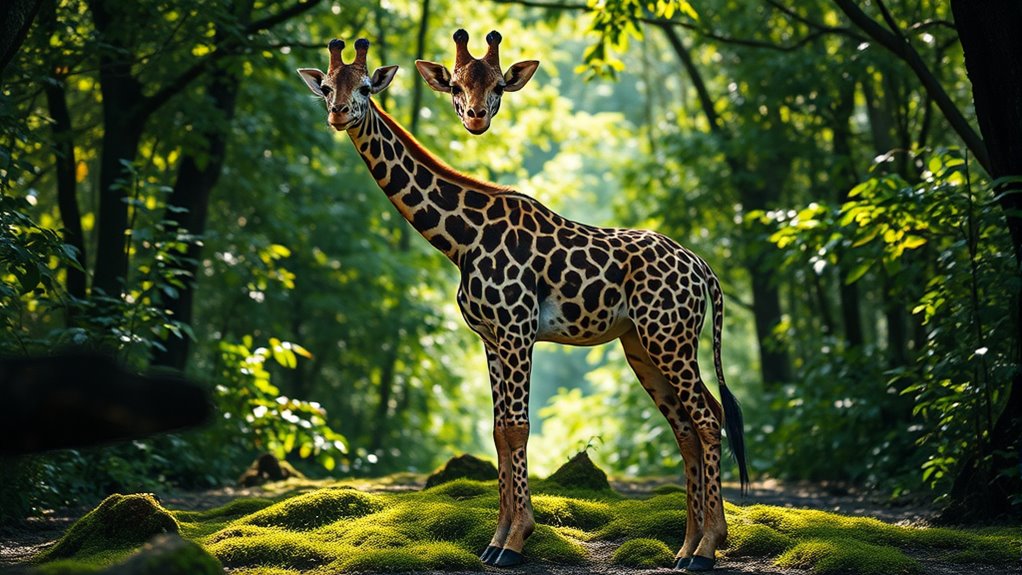
When different species come into contact and crossbreed, new genetic combinations emerge that can reshape the course of evolution. These hybrids introduce novel traits and genetic diversity, which can enhance adaptability to changing environments. In some cases, hybrids like dzo or coywolves possess qualities that outperform their parent species, leading to hybrid vigor. This gene flow can blur species boundaries, challenging traditional taxonomy and causing debates about classification. Hybrids can also fill ecological gaps when one species declines, supporting ecosystem stability. Additionally, Kia Tuning techniques can optimize certain traits in hybrid animals, demonstrating how targeted modifications influence their adaptability and survival. Moreover, sustainable living practices like conscious consumption and eco-friendly approaches can mitigate some of the negative impacts of hybridization on ecosystems. Understanding the genetic mechanisms behind hybridization is crucial for conservation efforts and managing biodiversity effectively. Advances in sound design technologies, such as immersive audio and spatial audio, can also be utilized to study animal communication and hybrid behaviors in natural habitats. Furthermore, the study of genetic diversity helps scientists predict how hybrid species might evolve or adapt to future environmental changes. Overall, hybrids influence evolutionary trajectories by creating new lineages or risking extinction, making their role complex—sometimes beneficial, sometimes problematic—within biodiversity and the ongoing process of natural selection.
Naming, Classification, and Identification of Hybrids
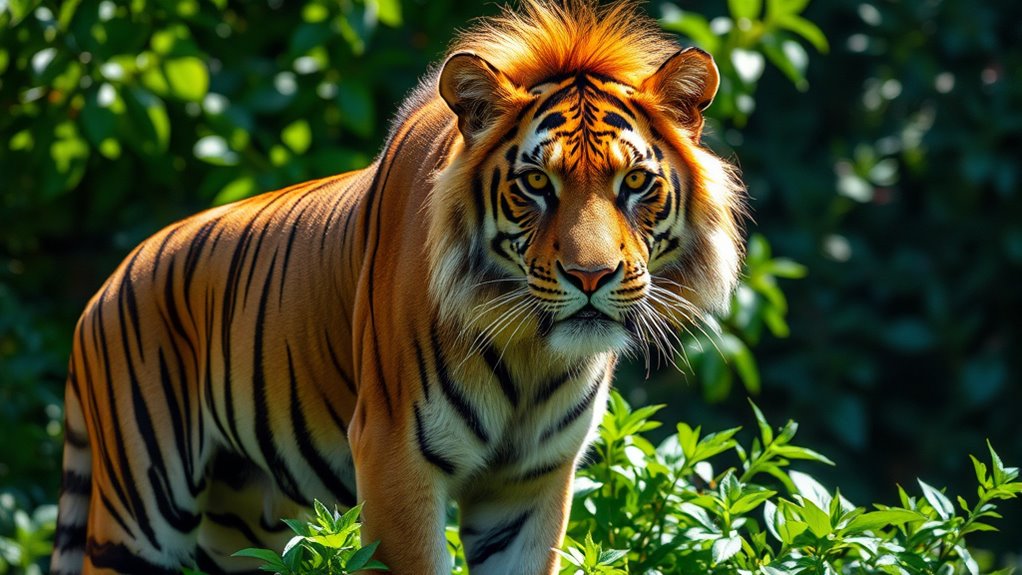
You need to understand how hybrids are named and classified, as their naming often combines parts of each parent species. This system can create confusion and challenge traditional taxonomy, especially when hybrids blur species boundaries. Recognizing and categorizing hybrids requires careful analysis of genetic, morphological, and reproductive traits to avoid misidentification.
Hybrid Naming Conventions
How do scientists name and classify hybrid animals? You’ll find they often use portmanteau names that combine parts of the parent species’ names, like “liger” from lion and tiger or “grolar” from grizzly and polar bears. These names help quickly identify the hybrid’s origins. In some cases, hybrids involving zebras and other equids are called “zebroids,” with examples like “zonkey” or “zorse.” When hybrids have significant agricultural or economic value, they might have formal names, such as “dzo” for yak-cattle hybrids. Scientific naming conventions also sometimes include Latin or binomial designations, especially in research contexts. Overall, hybrid names blend the identities of parent species, highlighting their mixed heritage while aiding classification and communication.
Taxonomic Challenges
Naming and classifying hybrid animals pose significant challenges for scientists due to their complex genetic backgrounds and often ambiguous traits. Hybrids blur traditional species boundaries, making it difficult to assign clear taxonomic categories. For example, hybrids like beefalo or zony can sometimes reproduce, prompting debates about whether they should be classified as new subspecies or separate species altogether. Additionally, intergeneric hybrids such as cama challenge existing rules on cross-genus mating. Identification becomes even trickier when hybrids exhibit traits from both parents, leading to confusion in field identification and conservation efforts. As hybridization becomes more common, especially with environmental changes and human intervention, scientists must develop flexible, nuanced classification systems that acknowledge genetic diversity and reproductive viability while maintaining clarity in taxonomy.
Challenges and Ethical Concerns in Hybrid Animal Breeding
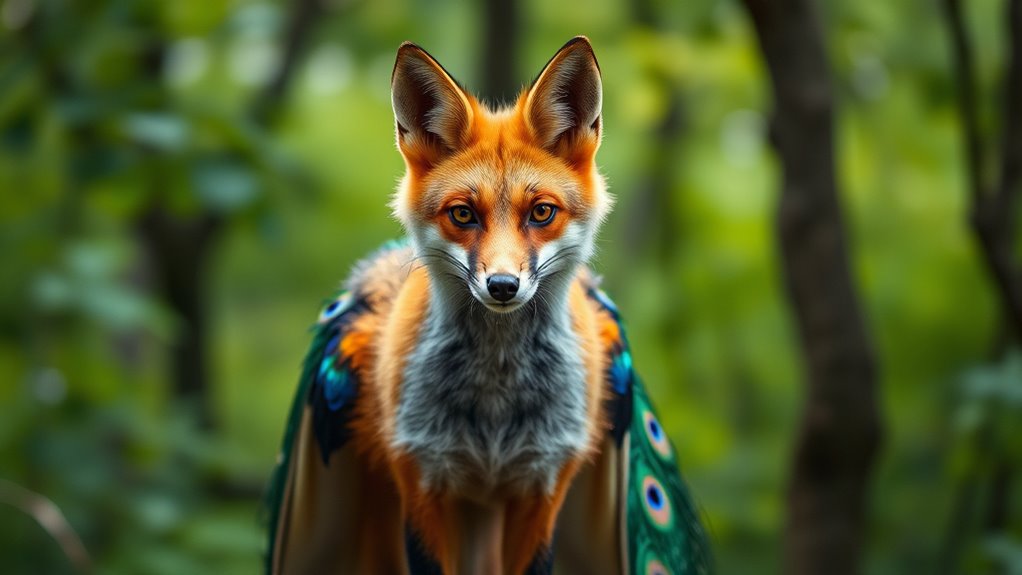
Hybrid animal breeding presents significant challenges and raises ethical concerns that cannot be ignored. You must consider the welfare of the hybrids, as many experience health issues, sterility, or shortened lifespans. Creating hybrids in captivity often involves human intervention that can disrupt natural behaviors and ecosystems. There’s also the risk of genetic pollution, which could threaten endangered species through unintended gene flow. Ethically, some argue that hybridization for novelty or commercial gain is irresponsible, especially when it may cause suffering or reduce biodiversity. Additionally, hybrids with uncertain legal status complicate conservation efforts and protection laws. You should weigh the scientific curiosity and potential benefits against the moral implications and ecological risks involved in hybrid animal breeding.
The Future of Hybrid Animals in Conservation and Science

Advances in genetic research and changing environmental conditions are shaping the future of hybrid animals in conservation and science. You might soon see hybrids playing key roles in ecosystem resilience, aiding species survival, or even creating new research models. Scientists are developing gene-editing techniques to enhance hybrid vigor or restore endangered species through controlled hybridization. However, ethical concerns and ecological impacts remain. Here’s a snapshot of future prospects:
| Opportunity | Challenge |
|---|---|
| Conservation tools | Genetic integrity risks |
| Adaptive traits | Unpredictable ecological effects |
| Scientific insights | Ethical debates |
| Biodiversity management | Hybrid fertility limitations |
Your engagement with these innovations can help balance ecological benefits and ethical responsibilities, shaping a sustainable future for hybrid animals.
Frequently Asked Questions
Are All Hybrid Animals Sterile or Infertile?
Not all hybrid animals are sterile or infertile. Some, like female dzos and certain ligers or tigons, can reproduce, especially in captivity. Others, such as grolar bears and narlugas, often have limited fertility or sterility, but exceptions exist depending on genetic compatibility. Reproductive success varies widely among hybrids, influenced by species differences and environmental factors. So, while many hybrids face fertility issues, some can produce offspring.
Can Hybrid Animals Live Naturally Outside Captivity?
Yes, hybrid animals can live naturally outside captivity, especially when their habitats overlap due to environmental changes. For example, grizzly and polar bears sometimes interbreed in the Arctic, and coywolves thrive in the wild across eastern US. However, many hybrids face challenges like fertility issues or ecological pressures that limit their survival. Your observation depends on species, environment, and whether hybridization is ongoing or a rare event.
Do Hybrids Pose Risks to Endangered Species?
Yes, hybrids can pose risks to endangered species. When hybrids form, they may dilute the genetic pool, leading to reduced genetic diversity and potential loss of unique traits. If hybrids backcross with endangered species, it can cause genetic mixing that threatens species integrity. Additionally, hybrids might outcompete purebred populations for resources, disrupting ecosystems and making conservation efforts more complicated. You should consider these impacts when evaluating hybridization’s role in conservation.
How Do Hybrids Affect Conservation Efforts?
Hybrids are like double-edged swords in conservation—sometimes helping, sometimes hindering efforts. They can introduce genetic diversity, aiding adaptation, but also cause genetic dilution of pure species. You might find hybrids complicate classification and legal protections, making it harder to prioritize endangered species. If unchecked, hybrids could outcompete or weaken native populations, challenging conservation strategies and risking the survival of original species.
Are Hybrid Animals Recognized as New Species?
Hybrid animals are generally not recognized as new species because they result from interbreeding between existing species, often producing sterile or partially fertile offspring. You’ll find hybrids usually labeled with portmanteau names, like liger or grolar bear, but they lack the stable reproductive isolation needed for species status. Taxonomists typically see hybrids as transitional forms or variations rather than distinct species, though some may have unique ecological or evolutionary significance.
Conclusion
Hybrid animals showcase nature’s incredible diversity and adaptability. They remind you that interspecies breeding isn’t just fascinating—it’s a window into evolution and the future of conservation. As you explore these creatures, ask yourself: what new possibilities could hybridization open for our planet’s biodiversity? Embracing both its wonders and challenges, hybrid animals push us to rethink how species interact and evolve. Ultimately, their story is a reflection of nature’s endless capacity for change and innovation.