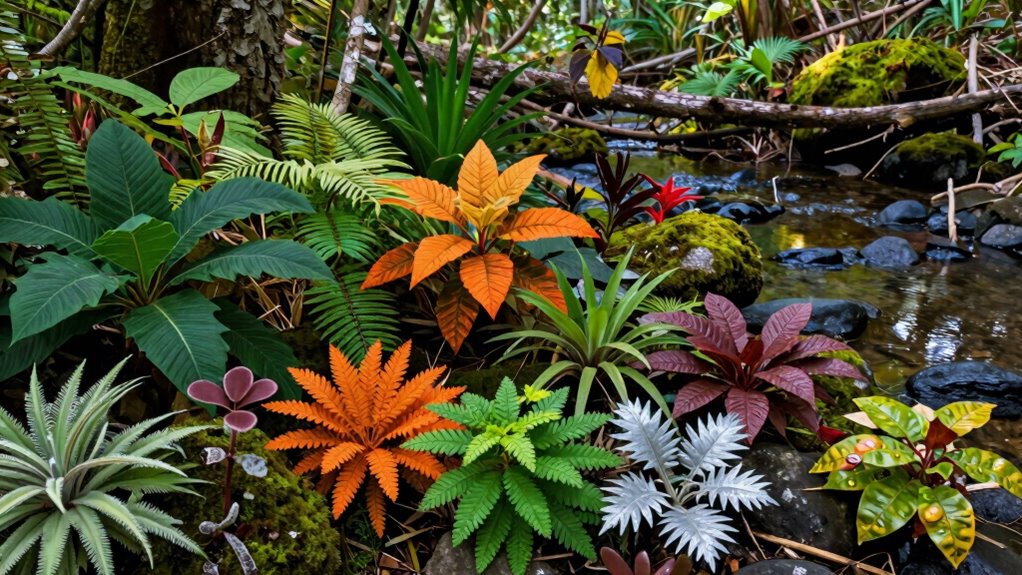

Maintaining genetic diversity is key to helping species adapt and survive threats like diseases, climate change, and habitat loss. When genetic variation is high, populations can develop beneficial traits and better resist risks. Low diversity makes species more vulnerable, often leading to inbreeding and health problems that can cause collapse. By supporting actions that protect genetic health, you can help guarantee species stay resilient. Keep exploring to discover how different strategies can make a real difference.

Prime made for students and young adults
- Fast, free delivery for dorm and study essentials
- Prime Video and Amazon Music included
- Member-only deals
Key Takeaways
- Genetic diversity enhances a species’ ability to adapt to environmental changes, reducing extinction risk.
- High genetic variation helps populations resist diseases that could cause collapse.
- Maintaining genetic diversity prevents inbreeding depression and associated health issues.
- Diverse gene pools support evolutionary processes vital for long-term survival.
- Conservation efforts focused on genetic variation increase species resilience against climate impacts.

Have you ever wondered why some species thrive while others face extinction? One key factor lies in genetic diversity, which influences a species’ ability to adapt and survive changing environments. When populations have a rich variety of genes, they are better equipped for genetic adaptation — the process by which species develop traits that help them resist diseases, cope with climate shifts, or find new food sources. Without sufficient genetic variation, a species becomes more vulnerable to threats because it can’t produce the beneficial adaptations needed to overcome new challenges. This is why maintaining diverse gene pools is fundamental for long-term survival.
Genetic diversity is vital for species survival and adaptation in a changing world.
However, low genetic diversity can lead to serious problems like inbreeding depression. This occurs when individuals within a small population breed with close relatives, resulting in offspring with reduced fitness. Inbreeding depression often causes a decline in reproductive success, weaker immune systems, and an increase in genetic disorders. When these effects accumulate, the population’s overall health and resilience diminish, making it even harder to recover from environmental stresses or disease outbreaks. Essentially, inbreeding depression acts as a vicious cycle, further shrinking the genetic pool and increasing the risk of extinction.
To prevent this downward spiral, conservation efforts focus on enhancing genetic diversity. Strategies include protecting large, connected habitats that allow gene flow between populations, or even introducing individuals from different groups to increase variation. By doing so, you help guarantee that the species retains the genetic tools it needs to adapt to future challenges. Genetic diversity doesn’t just help a species survive in the short term; it also provides a critical foundation for evolution, allowing populations to gradually develop new traits that might be indispensable for future survival.
In essence, the health and resilience of a species depend heavily on its genetic makeup. When diversity is preserved and promoted, it boosts the potential for genetic adaptation and reduces the risk of inbreeding depression. This balance is essential, especially in a world where environmental conditions are changing rapidly due to human activity and climate change. If you want to prevent extinction, protecting and fostering genetic diversity isn’t just beneficial — it’s indispensable. By understanding and supporting the genetic health of species, you help build resilient populations capable of withstanding the pressures of a rapidly changing world.
genetic diversity conservation books
As an affiliate, we earn on qualifying purchases.
As an affiliate, we earn on qualifying purchases.
Frequently Asked Questions
How Does Genetic Diversity Affect Disease Resistance in Species?
Genetic diversity boosts disease resistance in species by providing a wide range of genes, making it harder for diseases to wipe out populations. When genetic bottlenecks occur, diversity drops, increasing vulnerability. High mutation rates introduce beneficial variations that help adapt to new threats. With greater genetic variation, you improve your chances of survival against evolving diseases, ensuring species can resist outbreaks and avoid collapse.
Can Genetic Diversity Be Artificially Increased in Endangered Populations?
You can absolutely boost genetic diversity in endangered populations through artificial means. Techniques like genetic modification and careful breeding programs are powerful tools in biodiversity conservation. By introducing new genes or managing breeding to maximize variation, you prevent species from a silent extinction. Imagine saving a species from the brink—your actions could be the key to their survival, making a lasting impact on our planet’s fragile ecosystems.
What Role Does Genetic Diversity Play in Adaptation to Climate Change?
Genetic diversity boosts your species’ ability to adapt to climate change by maintaining evolutionary potential. When populations experience genetic bottlenecks, their diversity shrinks, reducing their capacity to evolve quickly in response to environmental shifts. With richer genetic variation, your species can develop beneficial traits faster, increasing survival chances amid changing climates. Consequently, preserving and enhancing genetic diversity is essential for fostering resilience and ensuring long-term survival in a rapidly changing world.
How Quickly Can Genetic Diversity Be Restored in a Declining Species?
You might think restoring genetic diversity happens quickly, but it’s often slow, especially after genetic bottlenecks or inbreeding depression weaken a species. Recovery depends on factors like population size, gene flow, and conservation efforts. While some genetic diversity can be reintroduced through habitat corridors or breeding programs, it may take decades or even generations. Patience and persistent action are essential to help species rebound and thrive again.
Are There Risks Associated With Increasing Genetic Diversity Artificially?
Increasing genetic diversity artificially through genetic manipulation can carry risks, such as unintended genetic changes or reducing overall adaptability. Ethical considerations play a vital role, as manipulating genomes may disrupt natural processes or create unforeseen consequences. You need to weigh the potential benefits against these risks, ensuring that interventions are carefully planned and ethically justified, to prevent harming the species or ecosystem you’re trying to protect.
Conclusion
Think of genetic diversity as the vibrant threads in a tapestry, each strand strengthening the whole. When you nurture this variety, you’re weaving resilience into the fabric of life itself. Without these colorful threads, the tapestry risks fraying and unraveling. By safeguarding genetic diversity, you’re not just preserving individual species—you’re ensuring the grand, intricate masterpiece of nature continues to flourish, resilient and radiant against the storms ahead.
Fall Picks
fall essentials
As an affiliate, we earn on qualifying purchases.