A telephoto lens is your key to capturing stunning bird and wildlife images from a distance. Starting at around 70mm, these lenses let you reveal intricate details like feathers and fur patterns while isolating your subjects against beautifully blurred backgrounds. With wider apertures improving low-light performance, you can snap sharp shots even during dawn or dusk. Image stabilization helps reduce camera shake too. Stick around to discover more tips that will elevate your wildlife photography game!

Prime made for students and young adults
- Fast, free delivery for dorm and study essentials
- Prime Video and Amazon Music included
- Member-only deals
Key Takeaways
- Telephoto lenses, starting from 70mm, are essential for capturing distant bird and wildlife subjects with intricate detail.
- Longer focal lengths (400mm to 600mm) provide increased magnification for distant wildlife photography and enhance detail capture.
- Background compression creates beautifully blurred backdrops, isolating the subject and minimizing distractions in natural environments.
- Wider apertures (e.g., f/2.8, f/4) improve low-light performance and enhance artistic bokeh effects for wildlife shots.
- Image stabilization technology is crucial for reducing camera shake, enabling sharp images while hand-holding heavier telephoto lenses.
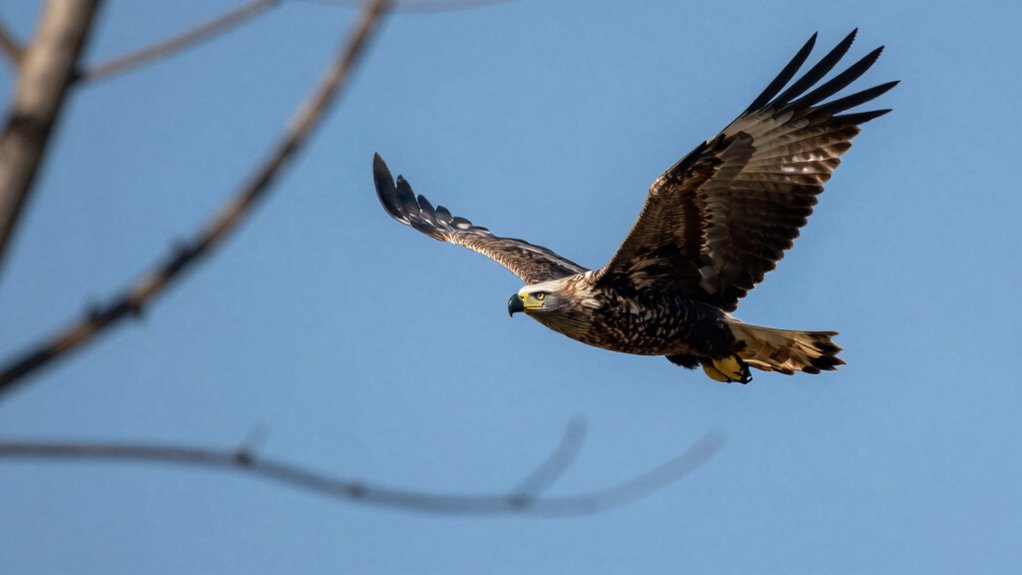
Telephoto lenses are a game-changer in photography, allowing you to capture distant subjects with stunning detail. When it comes to bird and wildlife photography, having the right telephoto lens can make all the difference. You might wonder about the various lens types available, but focusing on focal lengths will help you make the best choice for your needs.
Typically, telephoto lenses start around 70mm and can go well beyond 600mm. Shorter telephoto lenses, like 70-200mm, are great for wildlife that’s a bit closer, while longer focal lengths, such as 400mm or 600mm, let you get impressive shots of birds perched high in trees or animals in the distance. The longer the focal length, the more magnification you’ll get, which is vital for capturing intricate details like feathers or fur patterns.
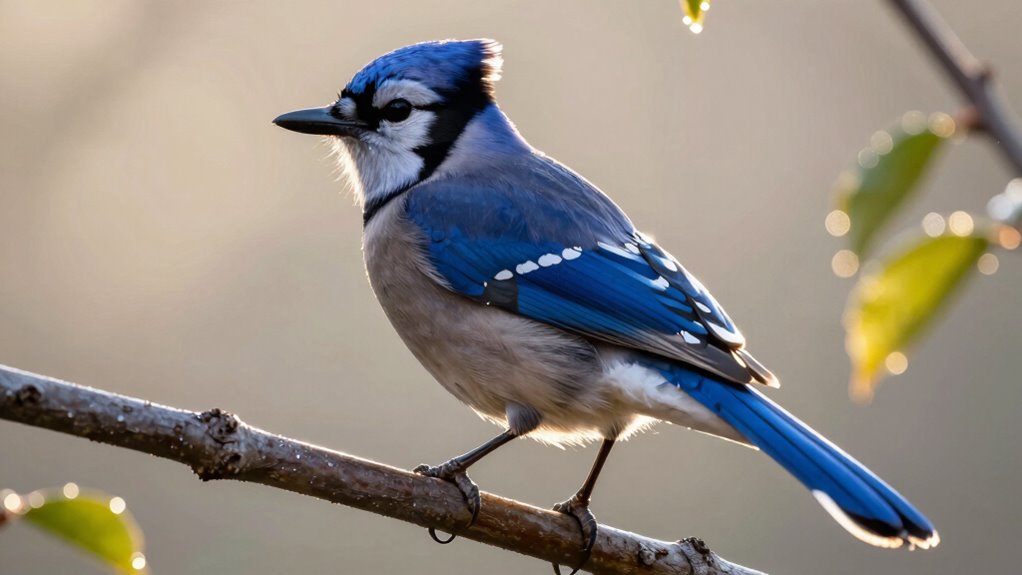
One of the key advantages of telephoto lenses is their ability to compress the background, making your subject stand out sharply against a beautifully blurred backdrop. This effect can enhance the beauty of your wildlife shots, creating a stunning visual that draws the viewer’s eye directly to the subject. If you’re shooting in natural environments, this can also help minimize distractions from surrounding elements, allowing you to focus on the essence of the moment.
When choosing a lens, consider the aperture as well. A lens with a wider maximum aperture, like f/2.8 or f/4, not only allows for better low-light performance but also enhances that lovely bokeh effect. This means you’ll have a better chance of capturing sharp images even during dawn or dusk when wildlife is most active. Plus, a wider aperture can help you freeze motion, essential for photographing fast-moving birds.
Don’t forget about stabilization features, especially if you’re using a heavier lens. Many modern telephoto lenses come equipped with image stabilization technology, which can help reduce shake when you’re hand-holding the camera. This is particularly useful in wildlife photography, where you may need to be quick on your feet and adjust your angle frequently.
Ultimately, investing in a quality telephoto lens can elevate your wildlife photography to new heights. It opens up a world of opportunities, allowing you to explore distant subjects and capture moments that might otherwise go unnoticed. With the right lens types and focal lengths, you’ll be well on your way to stunning wildlife images.
telephoto lens for wildlife photography
As an affiliate, we earn on qualifying purchases.
As an affiliate, we earn on qualifying purchases.
Frequently Asked Questions
What Is the Best Telephoto Lens for Beginners?
For beginners, an affordable option like the Canon EF 75-300mm or Nikon AF-P DX 70-300mm is great. These lenses offer decent zoom capabilities without breaking the bank. Tamron and Sigma are also solid lens brands to take into account, providing excellent image quality at reasonable prices. You’ll find that these telephoto lenses are user-friendly, making them perfect for capturing those stunning wildlife moments while you’re just starting out.
How Do I Stabilize My Camera With a Telephoto Lens?
To stabilize your camera with a telephoto lens, use tripod techniques like a sturdy tripod and remote shutter release. Make sure your lens has image stabilization turned on, which helps reduce blurriness. If you’re shooting in low light, consider using a faster shutter speed to freeze motion. Holding your camera close to your body can also help minimize shake. Experiment with these methods to find what works best for you.
Are Expensive Telephoto Lenses Worth the Investment?
Absolutely, expensive telephoto lenses can be worth every penny. Imagine capturing a fleeting moment in stunning detail; that’s where lens quality shines. Higher-end models often offer superior image sharpness and impressive focal lengths, letting you get closer without disturbing wildlife. However, consider weight; a hefty lens can be cumbersome. If budget’s tight, explore brand comparisons for solid options that won’t break the bank. Invest wisely, and your photography will soar.
Can I Use a Teleconverter With My Lens?
Yes, you can use a teleconverter with your lens, but be mindful of compatibility issues. Different teleconverter types, like 1.4x or 2x, might work better with certain lenses. Confirm your lens is compatible with the specific teleconverter you choose, as not all combinations yield ideal results. Check your lens manufacturer’s recommendations to guarantee you get the best performance without sacrificing image quality. Enjoy the added reach for your photography!
What Settings Are Ideal for Bird Photography With a Telephoto Lens?
When you’re capturing that majestic eagle soaring through the sky, you’ll want your settings to be spot on! Use a wide aperture to let in light, aiming for f/4 or wider. For shutter speed, crank it up to at least 1/1000 second to freeze those flapping wings. With these settings, you’ll transform fleeting moments into stunning, sharp images that’ll make everyone think you’ve got a secret superpower in bird photography!
Conclusion
In conclusion, mastering telephoto lenses is like unfastening a treasure chest for bird and wildlife photography. With the right knowledge and practice, you can capture stunning images that bring the beauty of nature right into your frame. Remember to experiment with settings, and don’t shy away from getting close to your subjects—safely, of course! So gear up, get out there, and let your creativity soar as high as the birds you’re aiming to photograph.
Fall Picks
fall essentials
As an affiliate, we earn on qualifying purchases.