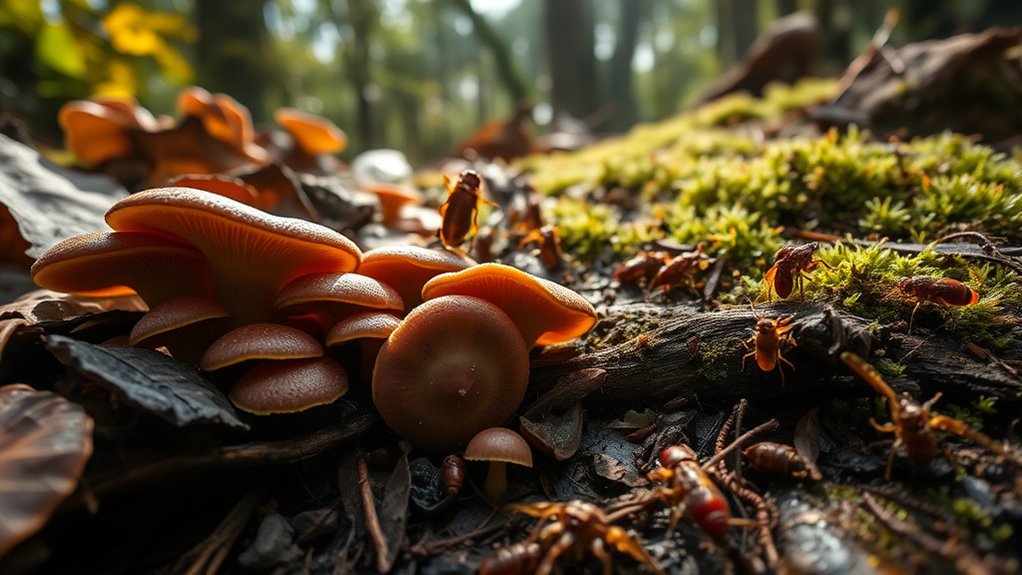

Decomposers are nature’s clean-up crew, breaking down dead organic matter like leaves, animals, and debris. They recycle essential nutrients such as nitrogen, phosphorus, and calcium into the soil, supporting plant growth and ecosystem health. These decomposers include fungi, bacteria, and detritivores like worms and insects. Their activity keeps ecosystems balanced, prevents waste buildup, and sustains life. If you want to explore how these crucial organisms maintain our environment, keep going.
Key Takeaways
- Decomposers break down dead organic matter, recycling nutrients vital for plant growth and ecosystem health.
- They include fungi, bacteria, and detritivores that decompose materials and support nutrient cycling.
- Decomposers prevent waste buildup, reduce pollution, and maintain soil fertility for sustainable ecosystems.
- Environmental threats like pollution and habitat loss harm decomposers, risking ecosystem imbalance.
- Protecting decomposers through conservation and sustainable practices ensures ecosystem resilience and environmental health.
composting worms for gardening
As an affiliate, we earn on qualifying purchases.
As an affiliate, we earn on qualifying purchases.
Understanding Decomposers and Their Functions

Decomposers are essential organisms in ecosystems because they break down dead organic matter, such as fallen leaves, dead animals, and other debris. Their primary role is to recycle nutrients, converting complex organic molecules into simpler inorganic forms like nitrogen, phosphorus, and calcium. This process makes crucial nutrients accessible to plants and other organisms, supporting growth and maintaining ecosystem balance. Vetted decomposers include fungi, bacteria, and detritivores like earthworms and insects, which consume dead material directly. They are heterotrophs, deriving energy from organic matter rather than sunlight. Through decomposition, they prevent waste buildup, promote soil fertility, and sustain the flow of nutrients in biogeochemical cycles. Additionally, research-backed strategies highlight the importance of nutrient recycling for ecosystem health and resilience. The activity of decomposers is also crucial in waste management, helping to naturally break down organic waste in various environments. Recognizing the role of microbial activity emphasizes how vital these organisms are to maintaining healthy and productive ecosystems. Their presence supports soil structure and enhances its ability to retain water and nutrients.

Shiitake Mushroom Grow Kit (5.5lbs) Grow Your Own Mushrooms at Home | Easy Indoor Grow Bag Kit
Large Yield: With the ability to produce 2-3 lbs of mushrooms, this 5.5LB grow kit offers an impressive…
As an affiliate, we earn on qualifying purchases.
As an affiliate, we earn on qualifying purchases.
Types of Decomposers and Examples in Nature

Among the various organisms that break down organic matter, fungi and bacteria are the primary decomposers responsible for initiating the decomposition process. Fungi, including molds and mushrooms, secrete enzymes to break down tough plant cell walls, such as cellulose and lignin, efficiently recycling organic material. Bacteria, on the other hand, rapidly decompose simpler compounds like sugars and proteins, transforming dead matter into essential nutrients. You’ll also find detritivores—earthworms, insects like beetles and flies, and crustaceans—consuming decaying material directly. Yeasts, a type of fungi, play roles in both decomposition and fermentation. These decomposers work together, breaking down complex organic molecules into inorganic nutrients, which then enrich soils and aquatic environments, supporting plant growth and maintaining ecosystem health. Additionally, natural decomposition processes are vital for nutrient cycling in ecosystems, ensuring the sustainability of various habitats. Recent studies have highlighted how decomposer diversity can influence the rate and efficiency of organic matter breakdown. Furthermore, advances in understanding decomposer roles can help improve composting and waste management techniques to promote environmental sustainability.

Farmer’s Secret Soil Revitalizer (32oz) – Organic (OMRI Listed) Dirt Health Booster – Liquid Compost Soil Amendment – Activated Humic Acid – Great for Fall/Spring Application
Feed the soil not the plants – stimulate microbial activity in your soil and boost probability of success…
As an affiliate, we earn on qualifying purchases.
As an affiliate, we earn on qualifying purchases.
How Decomposers Recycle Nutrients for Ecosystems
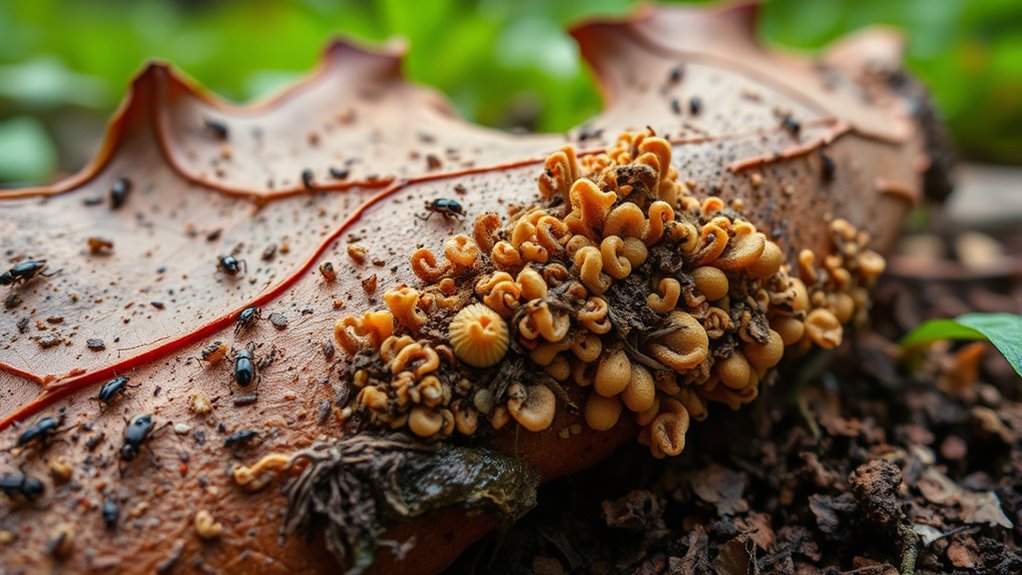
When fungi, bacteria, and detritivores break down dead organic matter, they initiate a process that releases essential nutrients back into the environment. These decomposers break complex molecules like proteins, fats, and carbohydrates into simpler inorganic forms such as ammonium, nitrate, and phosphate. These nutrients then dissolve in soil or water, making them accessible to plants and algae. As plants absorb these nutrients, they incorporate them into their tissues, supporting growth and energy production. When plants and animals die, decomposers continue the cycle, ensuring nutrients are recycled efficiently. This process prevents the accumulation of organic waste and maintains soil fertility, which is crucial for sustaining ecosystems. Ultimately, decomposers act as natural recyclers, transforming dead matter into valuable resources for all living organisms.

3-Layer Worm Composter, 50L Worm Compost Bin for Indoor & Outdoor, Worm Farm Starter Kits for Vermicomposting Starter, Garden Composting Bin for Recycling Food Waste (Black)
50L COMPOST BIN: TOP XIAN NEW Worm Composters are made of high-quality black PP plastic, the total capacity…
As an affiliate, we earn on qualifying purchases.
As an affiliate, we earn on qualifying purchases.
The Role of Decomposers in Energy Flow and Food Webs

Decomposers play a essential role in the flow of energy within ecosystems by breaking down dead organic material and releasing energy stored in complex molecules. As they decompose, they convert organic matter into simpler compounds, releasing energy that fuels other organisms. They link dead matter to living systems, ensuring energy continues to circulate. Understanding maintenance and troubleshooting of decomposers’ activity is crucial for maintaining healthy ecosystems. Here’s a visual overview:
| Organic Material | Decomposition Process | Released Energy |
|---|---|---|
| Dead plants | Fungi and bacteria digest | Energy used by microbes |
| Animal remains | Detritivores consume | Energy transferred to soil |
| Fallen leaves | Enzymes break down | Nutrients and energy flow |
| Dead insects | Microbial activity | Supports growth of plants |
| Organic waste in soil | Decomposition releases | Maintains food web stability |
Additionally, proper environmental conditions such as moisture and temperature are vital for decomposer efficiency, which can be influenced by ecosystem health and human management practices.
Environmental Impact and Ecosystem Balance

Decomposers play a vital role in maintaining ecosystem balance by breaking down organic waste and preventing its accumulation. Without them, dead plant and animal material would pile up, disrupting nutrient flow and harming biodiversity. Their activity ensures nutrients like nitrogen, phosphorus, and calcium are recycled into the soil and water, supporting plant growth. This process sustains healthy ecosystems by maintaining soil fertility and water quality.
You should consider:
- How decomposers prevent waste buildup, reducing disease risks.
- Their contribution to nutrient cycling, which sustains plant and animal populations.
- The impact of decomposer decline, which can cause nutrient shortages and ecosystem collapse.
Their work keeps ecosystems resilient, clean, and productive, making sure life continues to thrive.
Human Uses and Benefits of Decomposers
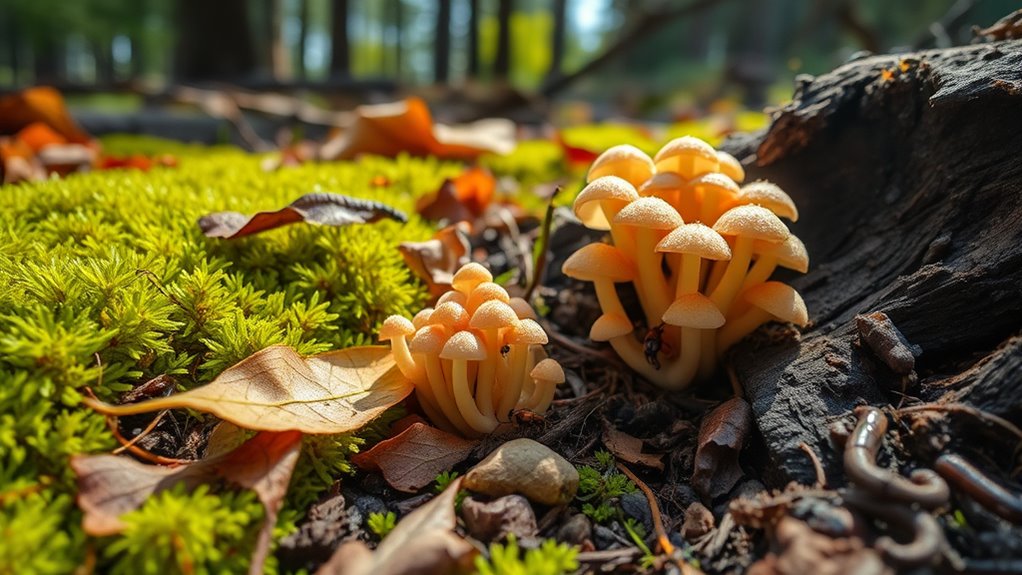
Humans benefit from decomposers in many ways, especially in food production and environmental cleanup. You might use yeast for baking and brewing, or rely on composting to turn waste into healthy soil. These natural processes help sustain agriculture and improve ecosystem health, showing how decomposers support human needs. Additionally, biological activity in soil is essential for maintaining soil fertility and supporting plant growth, further emphasizing the importance of decomposers. Proper storage conditions can also prevent issues caused by moisture and temperature fluctuations, which can compromise decomposer activity and other organic materials.
Food Production Applications
Have you ever wondered how natural processes contribute to food production? Decomposers play a essential role by enhancing soil quality and supporting crop growth. They break down organic waste, releasing nutrients essential for plant development. Here are three ways decomposers benefit food production:
- Composting: Microorganisms decompose organic matter, transforming waste into nutrient-rich compost that improves soil fertility.
- Soil Enrichment: Decomposers increase levels of nitrogen, phosphorus, and other nutrients, boosting crop yields.
- Sustainable Farming: Using decomposer-based compost reduces reliance on chemical fertilizers, promoting eco-friendly agriculture.
Environmental Cleanup Strategies
Environmental cleanup strategies leverage the natural ability of decomposers to break down pollutants and organic waste, making them essential tools in maintaining ecosystem health. You can use microbes, fungi, and detritivores to clean contaminated soils and water sources effectively. For example, bioremediation employs bacteria and fungi to degrade oil spills, heavy metals, and hazardous chemicals. Composting also harnesses decomposers to reduce organic waste, turning it into nutrient-rich soil amendments that support plant growth. These natural processes help prevent waste buildup, reduce pollution, and restore ecosystems. By promoting decomposer activity, you enhance environmental resilience and reduce reliance on chemical cleanup methods. This approach not only safeguards natural habitats but also offers a sustainable, cost-effective solution for managing environmental contamination.
Protecting Decomposers for a Healthier Planet

You play a key role in protecting decomposers, whose decline threatens nutrient cycling and soil health. Human activities like pollution, habitat destruction, and overuse of chemicals harm their populations. By supporting sustainable practices, you can help preserve these essential organisms and guarantee a healthier planet. Cultivating ecological balance can also foster innovative solutions to environmental challenges, encouraging new ways to protect vital ecosystems. Understanding the 16PF traits of individuals involved in environmental conservation can enhance teamwork and effectiveness in these efforts. Additionally, raising awareness about the importance of sound healing science and other natural processes can further support conservation initiatives and promote holistic ecosystem health. Recognizing the impact of decomposer populations on soil fertility underscores the need for protective measures and sustainable land management.
Decomposers’ Ecological Importance
Why is protecting decomposers essential for a healthier planet? Because they sustain ecosystems by recycling nutrients, maintaining soil fertility, and preventing waste buildup. Without decomposers, dead organic matter would accumulate, disrupting ecological balance. Their activity supports plant growth, which fuels the entire food web. To deepen this understanding:
- They release vital nutrients like nitrogen and phosphorus, enabling plants to thrive.
- They prevent environmental pollution by breaking down waste and organic debris.
- They support biogeochemical cycles crucial for ecosystem resilience.
- Forage organisms play a key role in supporting the entire ecological network by facilitating nutrient flow.
Additionally, decomposers help regulate soil microbial diversity, which is vital for ecosystem health. This regulation is essential for spiritual energy as it fosters a balanced environment that supports vital life processes.
Furthermore, protecting decomposers can boost overall soil health, leading to more sustainable agriculture and natural ecosystems.
Protecting decomposers ensures these fundamental processes continue unimpeded. Their role isn’t just about cleanup; it’s about maintaining the health of entire ecosystems. By safeguarding these organisms, you help preserve the natural balance that sustains life on Earth.
Threats to Decomposer Populations
Decomposer populations face numerous threats that jeopardize their essential role in ecosystems. Pollution from chemicals, pesticides, and industrial waste can kill or impair fungi, bacteria, and detritivores, disrupting nutrient cycling. Habitat destruction due to deforestation, urbanization, and agriculture reduces the spaces where decomposers thrive, limiting their activity. Climate change also poses a significant risk; rising temperatures and altered rainfall patterns can shift ecosystems, making conditions unsuitable for many decomposers. Excessive use of fertilizers can create imbalanced nutrients, harming microbial communities. Additionally, invasive species may outcompete native decomposers, reducing biodiversity. Protecting decomposer populations requires reducing pollution, conserving habitats, and maintaining environmental stability to make sure they continue supporting healthy, resilient ecosystems. Advances in machine learning algorithms can help monitor environmental changes and predict threats to these vital organisms, aiding conservation efforts.
Protecting Soil Health
Protecting soil health is essential for maintaining the vital role decomposers play in ecosystems. When soil remains healthy, decomposers thrive and effectively recycle nutrients, supporting plant growth and ecosystem stability. To safeguard soil health, consider these strategies:
- Minimize chemical use: Reduce pesticides and synthetic fertilizers that harm decomposer populations.
- Implement organic farming: Use composting and crop rotation to enrich soil naturally.
- Avoid soil compaction: Limit heavy machinery to maintain soil aeration and habitat for decomposers.
Frequently Asked Questions
How Do Decomposers Affect Soil Fertility Over Time?
Decomposers improve soil fertility over time by breaking down dead organic matter and releasing nutrients like nitrogen, phosphorus, and calcium into the soil. As they decompose organic materials, they create a rich, nutrient-dense environment that supports plant growth. Their activity also increases organic matter content, enhances soil structure, and promotes beneficial microbial activity, leading to sustained and improved soil fertility for crops and natural vegetation.
Can Decomposers Survive in Extreme Environmental Conditions?
In the quiet corners of extreme environments, decomposers find ways to persist, adapting to harsh conditions. You might think they’re fragile, but many fungi, bacteria, and detritivores develop remarkable resilience, thriving where others cannot. They survive in scorching deserts, freezing polar regions, and acidic or polluted waters. Their ability to adapt guarantees their essential role continues, maintaining nutrient cycles and ecosystem health even in the harshest places on Earth.
What Specific Enzymes Do Fungi and Bacteria Use to Decompose Organic Matter?
You might be surprised to learn that fungi and bacteria use specific enzymes like cellulases, lignases, proteases, and amylases to decompose organic matter. These enzymes break down complex molecules such as cellulose, lignin, proteins, and starches into simpler compounds. By secreting these enzymes, fungi and bacteria effectively digest dead plants and animals, recycling nutrients back into the ecosystem and supporting the ongoing cycle of life.
How Do Decomposers Interact With Other Organisms in an Ecosystem?
Decomposers dynamically direct and diversify interactions with other organisms. They break down dead matter, releasing nutrients that plants need to grow, supporting herbivores and omnivores higher up the food chain. As they digest debris, they deter disease and decay, defending ecosystems’ health. You see, this symbiotic cycle sustains life, strengthens stability, and guarantees survival by seamlessly connecting decomposers with producers, predators, and prey in a continuous, vital cycle.
Are There Any Threats That Could Harm Decomposer Populations Globally?
Yes, threats like pollution, habitat destruction, and climate change can harm decomposer populations globally. You might not realize it, but when ecosystems are polluted with chemicals or destroyed by development, decomposers lose their homes and food sources. Rising temperatures and changing rainfall patterns also disrupt their activity. If these threats continue, they could slow down nutrient recycling, harming plant growth, and destabilizing entire ecosystems you rely on for clean air, water, and food.
Conclusion
Now that you understand how essential decomposers are, it’s clear they keep our ecosystems balanced and healthy. Without them, waste would pile up, and nutrients wouldn’t return to the soil. So, next time you see a mushroom or a worm, remember they’re working tirelessly to sustain life. Isn’t it amazing how nature’s quiet cleanup crew plays such a pivotal role in our world’s well-being? Let’s protect them to guarantee a thriving planet for all.