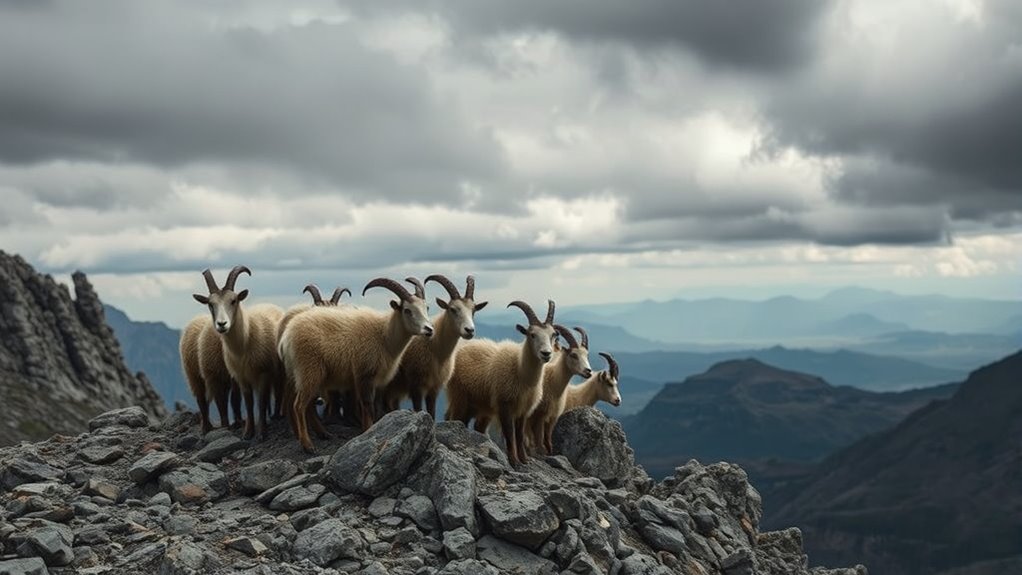

Small wildlife populations face big challenges due to genetic bottlenecks, which occur when their numbers drop suddenly from events like habitat loss or disasters. This reduces their genetic diversity, making them more vulnerable to diseases and environmental changes. Genetic drift and inbreeding then increase, causing harmful traits to spread and weakening the animals’ resilience. If you want to understand how conservation efforts can help these populations recover, keep exploring these vital factors.
Key Takeaways
- Small populations lose genetic variation due to genetic drift during bottlenecks, reducing adaptive potential.
- Reduced genetic diversity increases inbreeding, leading to health problems and decreased reproductive success.
- Bottlenecks fix harmful alleles, heightening disease susceptibility and decreasing overall resilience.
- Loss of rare and unique alleles limits the ability to adapt to environmental changes.
- Conservation challenges include heightened extinction risk and difficulty restoring genetic diversity in small populations.

Wildlife Ecology, Conservation, and Management
As an affiliate, we earn on qualifying purchases.
As an affiliate, we earn on qualifying purchases.
What Is a Genetic Bottleneck and How Does It Happen?
A genetic bottleneck occurs when a population’s size suddenly declines sharply, resulting in a significant loss of genetic variation. This sudden drop can be caused by events like natural disasters, disease outbreaks, or habitat destruction that wipe out large portions of the population quickly. When only a small number of individuals survive, they carry only a fraction of the original genetic diversity. As a result, many alleles are lost, and the gene pool becomes limited. With fewer genetic options, the population’s ability to adapt to future environmental changes diminishes. Additionally, the random nature of which individuals survive can cause dramatic shifts in allele frequencies, making the population’s genetic makeup unpredictable and less resilient over time. Regular use of genetic diversity products or strategies can help mitigate some effects of genetic bottlenecks and support population resilience. Maintaining genetic variation is crucial for long-term survival, especially after such events.

New Tools for Monitoring Genetic Diversity in Animals
As an affiliate, we earn on qualifying purchases.
As an affiliate, we earn on qualifying purchases.
Common Causes of Population Size Reductions in Wildlife
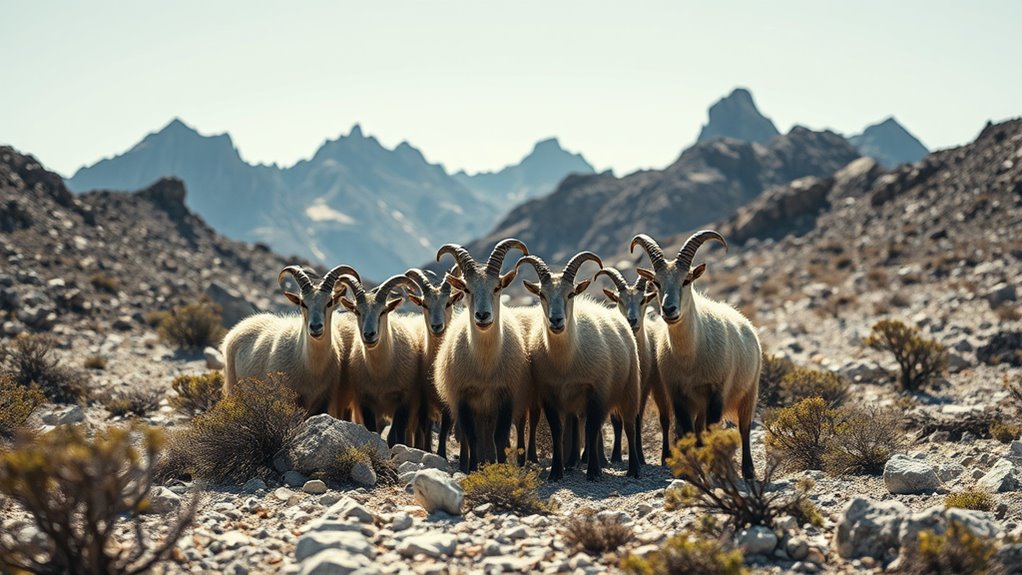
Wildlife populations often face reductions in size due to a variety of natural and human-induced factors. Natural disasters like floods, wildfires, earthquakes, and droughts can suddenly wipe out large segments of a population. Disease outbreaks spread quickly, killing many individuals and shrinking numbers. Habitat destruction from deforestation, urbanization, and agriculture fragments environments, limiting resources and isolating groups. Human activities such as hunting, poaching, and land development directly reduce populations and disturb ecosystems. Climate change intensifies these threats by altering habitats and increasing the frequency of extreme weather events. These factors can cause rapid declines, sometimes wiping out entire populations. Understanding these causes helps you grasp why populations become small and vulnerable, setting the stage for the genetic challenges they face after reductions. Additionally, conservation efforts play a crucial role in mitigating some of these impacts and promoting population recovery. Implementing targeted habitat restoration projects can also help stabilize declining populations and improve their resilience. Recognizing the importance of genetic diversity is essential since small populations are more susceptible to inbreeding depression, which can further threaten their survival.
The Tallgrass Prairie Center Guide to Prairie Restoration in the Upper Midwest (Bur Oak Guide)
Used Book in Good Condition
As an affiliate, we earn on qualifying purchases.
As an affiliate, we earn on qualifying purchases.
How Bottlenecks Impact Genetic Diversity and Variation
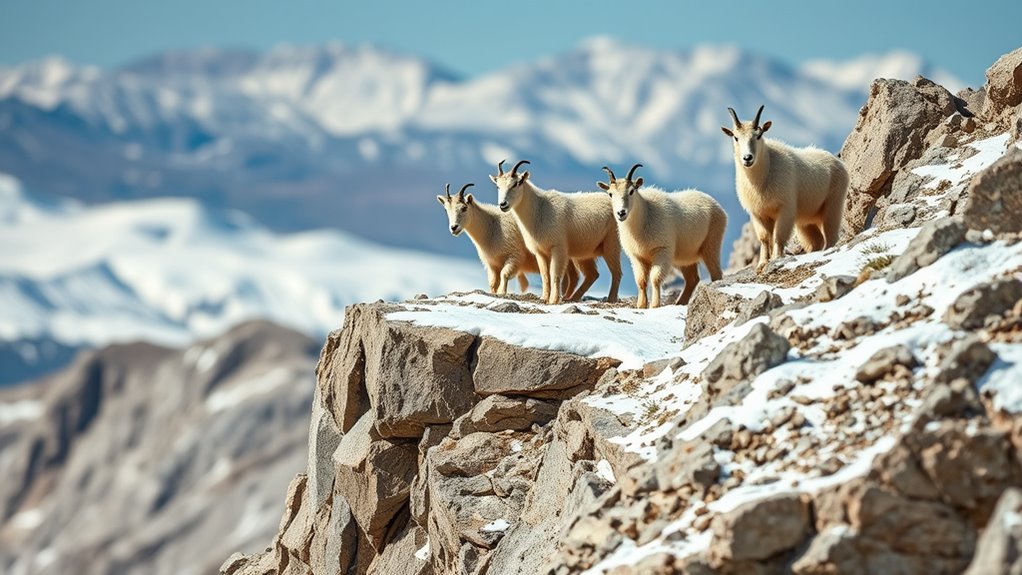
When a bottleneck happens, you lose many genetic variants that once existed in the population. This reduction in diversity makes the gene pool smaller and more vulnerable to changes. As a result, genetic drift becomes stronger, causing random shifts in allele frequencies that can further diminish variation. Additionally, small populations with limited genetic diversity are more susceptible to genetic disorders, which can threaten their survival. These disorders often result from reduced genetic variation, making the population less adaptable to environmental changes. Understanding personality traits can help in managing conservation strategies that promote resilience in small populations. Moreover, limited diversity reduces the ability of populations to adapt to environmental pressures, increasing their risk of extinction. The use of self-watering plant pots as a metaphor highlights the importance of maintaining a balanced and sustainable environment for survival.
Loss of Genetic Variants
Have you ever wondered how a sudden reduction in population size can dramatically change a species’ genetic makeup? When a bottleneck occurs, you lose many genetic variants simply because only a small number of individuals survive. This drastic reduction means that rare or unique alleles present before are often lost forever. As a result, the gene pool shrinks, reducing overall genetic diversity. Without a broad range of genetic variants, the species becomes less adaptable to environmental changes or new threats. The remaining genetic makeup may be less representative of the original population, leading to a less resilient gene pool. In essence, bottlenecks cause a sharp decline in genetic variation, leaving the population more vulnerable to future challenges. Furthermore, the loss of genetic diversity can hinder the species’ ability to evolve in response to shifting environmental conditions. This reduced variability can also increase the likelihood of inbreeding depression, which can further threaten population health and survival.
Increased Genetic Drift
After a bottleneck reduces a population’s genetic variation, random changes in allele frequencies become more pronounced—a process known as genetic drift. This means that chance, not natural selection, drives the genetic makeup of your population. Small populations are especially vulnerable, as alleles can become fixed or lost simply by luck. Over time, genetic drift can lead to reduced diversity, increasing the risk of inbreeding and decreasing adaptability. The table below highlights how genetic drift impacts different gene types:
| Effect | Description |
|---|---|
| Fixation of alleles | Certain alleles become dominant or disappear entirely due to chance. |
| Loss of variation | Rare alleles are more likely to be lost, shrinking genetic diversity. |
| Reduced adaptability | Limited genetic options hinder the population’s ability to respond to environmental changes. |
In small populations, genetic variation is essential for resilience against changing environments. Additionally, the loss of genetic diversity can compromise long-term survival by reducing the population’s ability to adapt to new challenges. This process underscores the importance of maintaining larger populations to preserve genetic health and ecological stability. Furthermore, understanding genetic drift helps conservationists develop strategies to mitigate its effects on vulnerable species. Recognizing the role of population size emphasizes how critical it is to prevent genetic bottlenecks in conservation efforts.
wildlife population recovery kits
As an affiliate, we earn on qualifying purchases.
As an affiliate, we earn on qualifying purchases.
The Role of Genetic Drift in Small Populations
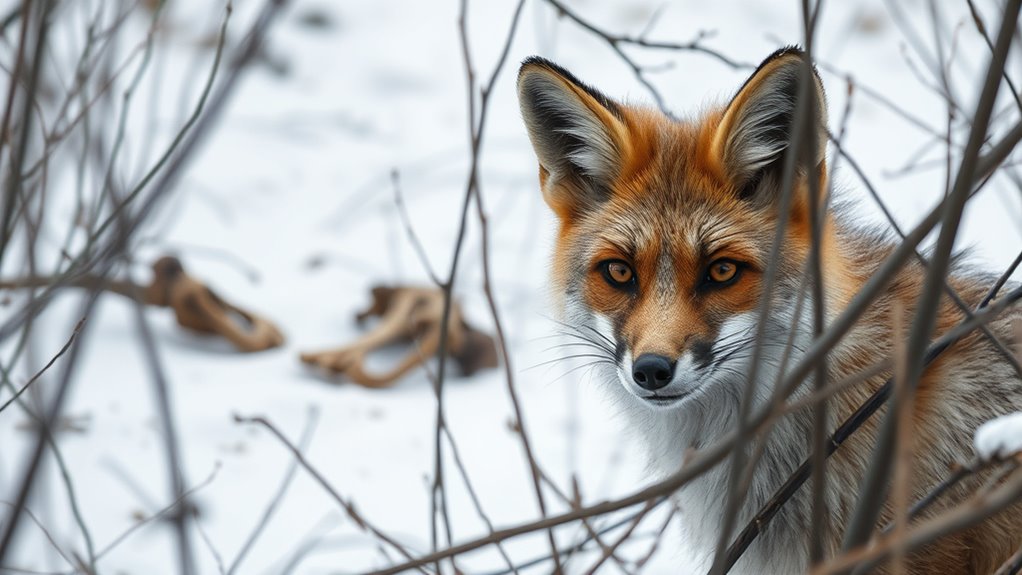
Ever wondered how chance affects genetic makeup in tiny populations? In small groups, genetic drift plays a bigger role because random events can markedly change allele frequencies. Unlike natural selection, which favors beneficial traits, drift is random and unpredictable. After a bottleneck, the small surviving population experiences stronger drift effects, causing certain alleles to become more common or disappear entirely without regard to their advantage. This randomness reduces genetic diversity and can lead to the fixation of harmful alleles. Recognizing the importance of genetic variation is crucial for conservation efforts aimed at maintaining resilient populations. Additionally, understanding the impact of population size can help in designing strategies to prevent severe losses of genetic material over time. Small populations are also more vulnerable to the loss of adaptive potential, which can hinder their ability to respond to environmental changes.
Inbreeding and Its Effects on Animal Health
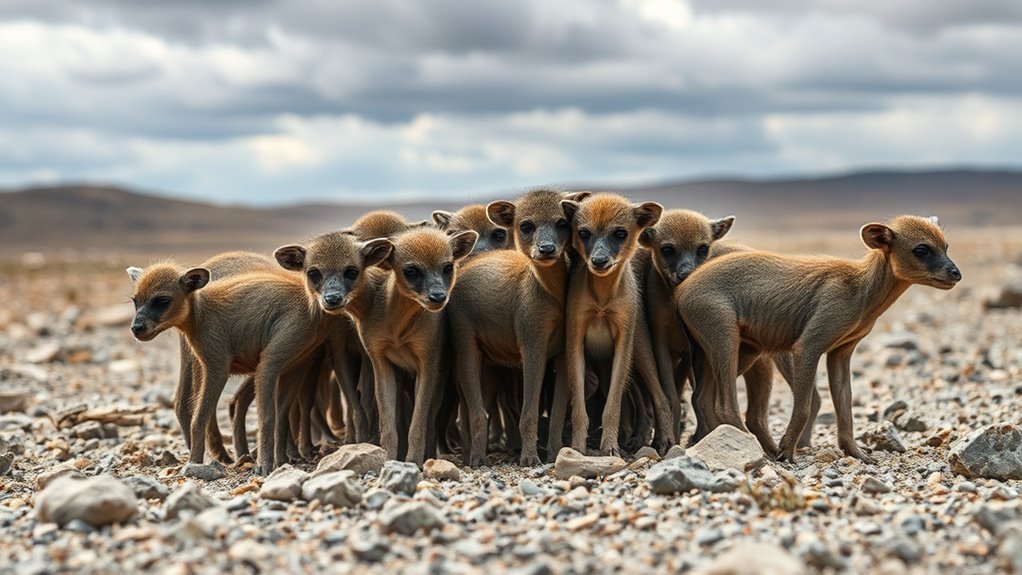
In small, genetically limited populations, inbreeding becomes increasingly likely as individuals are more prone to mate with close relatives. This increases homozygosity, meaning more individuals carry two copies of the same gene. Harmful recessive traits that were previously hidden can now be expressed, leading to genetic disorders and health problems. Inbreeding depression reduces reproductive success, making it harder for populations to recover or grow. Animals may experience weakened immune systems, higher susceptibility to diseases, and lower overall fitness. Over time, these health issues accumulate, further threatening the population’s survival. Without Genetic diversity, small populations struggle to adapt to environmental changes or resist new threats. Reduced diversity also leads to a narrower range of traits, limiting the ability of animals to cope with environmental stressors. This lack of variation can hinder their capacity to respond effectively to disease outbreaks, further endangering their survival. Additionally, decreased genetic variation can impair the ability of populations to undergo beneficial adaptations, making it even more challenging to survive in changing environments. Inbreeding therefore creates a cycle that diminishes both individual health and the long-term viability of the species.
Real-Life Examples of Bottleneck Events in Wildlife
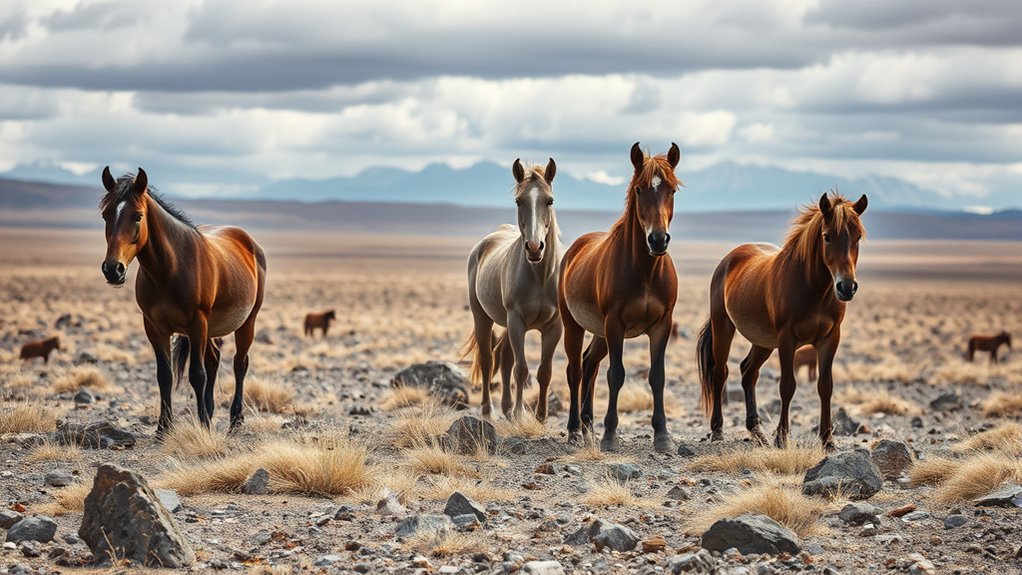
Several wildlife species have experienced dramatic bottleneck events that drastically reduced their genetic diversity. You can imagine the northern elephant seals, nearly wiped out by intense hunting in the 1890s, their numbers dropping to just 20. Or consider the cheetahs, whose past bottlenecks have left them with remarkably low genetic variation, making them vulnerable to disease. The giant panda, surviving a severe bottleneck around 43,000 years ago, now faces challenges in adapting to changing environments. Visualize:
Many species, like elephants and pandas, have endured severe bottlenecks, limiting their genetic diversity and resilience.
- A herd of elephants decimated by a sudden wildfire, leaving only a handful of survivors.
- Birds destroyed by a disease outbreak, with remaining populations struggling to recover.
- Fish populations reduced by habitat destruction, their genetic diversity sharply limited.
These examples highlight how bottlenecks can have lasting impacts on wildlife.
Challenges for Conservation Efforts in Small Populations
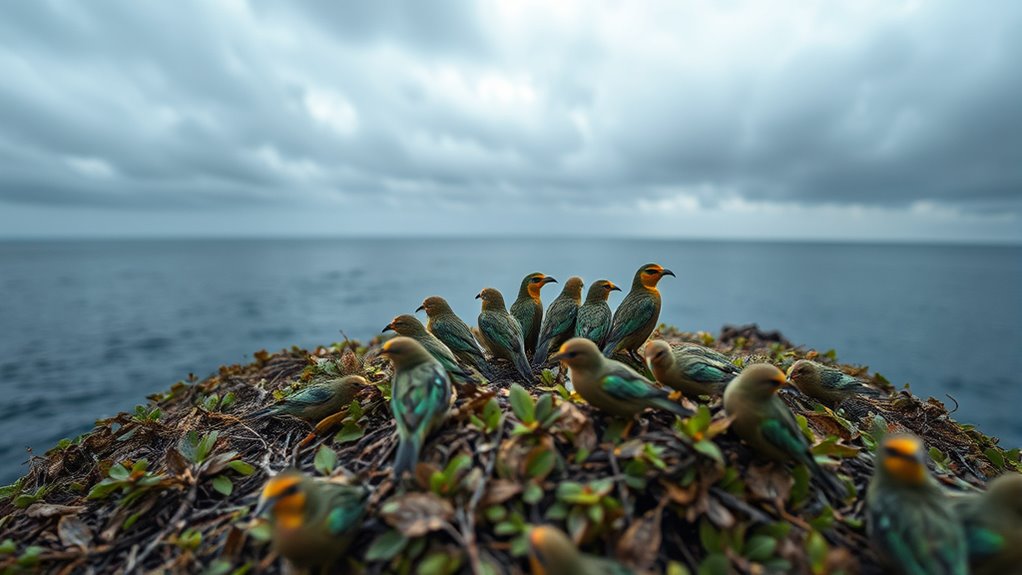
When working to conserve small populations, you face the challenge of genetic diversity loss, which reduces their ability to adapt and survive. This limited genetic variation makes them more vulnerable to diseases, increasing the risk of outbreaks that can wipe out entire groups. Addressing these issues requires strategic efforts to maintain genetic health and prevent further declines.
Genetic Diversity Loss
Small populations face a significant challenge in maintaining genetic diversity, especially after a bottleneck event. When numbers drop sharply, many unique genes are lost forever, leaving the population with limited options for adaptation. You might imagine a once-rich genetic palette reduced to just a few colors. The surviving gene pool becomes narrow, making it harder to respond to environmental changes or new threats. Genetic drift can cause random shifts in allele frequencies, further shrinking diversity. This loss can lead to fixed traits, reducing flexibility. Without enough variation, individuals are more prone to inherited health issues. You could picture a small, fragile web of genetic connections, easily broken by future stresses. Maintaining this dwindling diversity becomes a crucial, yet difficult, goal for conservation efforts.
Increased Disease Vulnerability
With reduced genetic diversity from bottlenecks, populations become substantially more vulnerable to diseases. When genetic variation drops, your population lacks the necessary alleles to fight off new or emerging pathogens. This makes it easier for diseases to spread rapidly and cause severe outbreaks, often wiping out large portions of the group. Inbreeding, common in small populations, increases the chance of harmful recessive genes expressing, which can weaken immune responses further. As a result, individuals become more susceptible to infections, and recovery chances decrease. This vulnerability can lead to a vicious cycle, where disease outbreaks drastically reduce population size, further shrinking genetic diversity. Consequently, conserving genetic health becomes crucial, not just for survival but to bolster resilience against future disease threats.
Strategies to Protect and Restore Genetic Diversity

Protecting and restoring genetic diversity requires targeted strategies that address the causes and effects of bottlenecks. You can help by supporting habitat preservation, which prevents habitat destruction and fragmentation. Implementing captive breeding programs ensures the maintenance of genetic variation and reduces inbreeding risks. Facilitating gene flow through wildlife corridors connects isolated populations, increasing genetic exchange. Visualize connecting patches of forest or grassland, allowing animals to mingle freely. You can also monitor genetic health using genetic testing, guiding management decisions to prevent further loss of diversity. These actions collectively help strengthen small populations, improve their adaptability, and increase their chances of survival in changing environments. By actively supporting these strategies, you become part of the effort to safeguard endangered species from the long-term impacts of genetic bottlenecks.
Frequently Asked Questions
How Do Genetic Bottlenecks Influence Long-Term Species Survival?
Genetic bottlenecks threaten long-term species survival by drastically reducing genetic diversity. When populations shrink, you lose crucial genes that help adapt to environmental changes. This makes the species more vulnerable to diseases, inbreeding, and other threats. Without sufficient genetic variation, your species struggles to evolve and cope with future challenges, increasing the risk of extinction. As a result, preserving genetic diversity is essential for the resilience and longevity of wildlife populations.
Can Genetic Diversity Recover After a Bottleneck? if So, How?
Yes, genetic diversity can recover after a bottleneck, but it takes time and effort. You can promote recovery through gene flow, which involves introducing new individuals from other populations to increase variation. Protecting and restoring habitats helps populations expand naturally. Controlled breeding programs in captivity can also help preserve genetic diversity. However, the process is slow, and without intervention, some diversity may never fully return.
What Are the Signs That a Population Has Experienced a Bottleneck?
You might notice reduced genetic diversity, which shows up as low variability in traits or DNA markers. If the population’s suddenly small, inbreeding becomes more common, leading to higher disease susceptibility and reproductive problems. Watch for signs of inbreeding depression, like decreased fitness or abnormal traits. Additionally, a sudden drop in population size with a lack of genetic variation strongly indicates a bottleneck has occurred.
How Does Inbreeding Depression Affect Reproductive Success?
Inbreeding depression reduces your population’s reproductive success by increasing the chance of mating between related individuals, which heightens homozygosity. This often leads to the expression of harmful recessive genes, causing genetic disorders, lower fertility, and reduced offspring survival. As a result, your population’s overall fitness declines, making it harder for individuals to reproduce successfully and for the population to recover or thrive in changing environments.
Are Some Species More Vulnerable to Bottlenecks Than Others?
Some species are more vulnerable to bottlenecks because of their low initial genetic diversity, small population size, or limited habitat. You’ll find that species with specialized diets or narrow ecological niches struggle more during bottlenecks, as they can’t adapt quickly. Additionally, those with limited ranges or isolated populations are at higher risk, since their small numbers make genetic drift and inbreeding more likely, reducing resilience to environmental changes.
Conclusion
While small populations face formidable genetic challenges, their resilience depends on your conservation efforts. You hold the power to prevent harmful inbreeding and loss of diversity, yet ignoring these issues can lead to extinction. The contrast is stark: your actions can either preserve this fragile genetic tapestry or allow it to unravel. By protecting these species, you guarantee that nature’s intricate balance endures, transforming potential tragedy into a story of hope.