
Habitat fragmentation occurs when human activities like building roads, cities, and infrastructure break up natural landscapes, disrupting wildlife movement and reducing biodiversity. When habitats split into smaller patches, animals struggle to find mates, gather resources, and migrate, which weakens their populations and increases extinction risks. Invasive species and edge effects further degrade habitat quality. To understand how conservation efforts aim to reconnect fragmented habitats and protect wildlife, keep exploring these critical issues.
Key Takeaways
- Habitat fragmentation reduces biodiversity by causing species loss and altering community structures.
- It decreases genetic diversity, leading to inbreeding, reduced adaptability, and higher extinction risks.
- Barriers hinder animal movement, migration, and reproduction, disrupting breeding and gene flow.
- Increased edge effects expose habitats to predators, invasive species, and environmental stresses.
- Connecting habitats through corridors supports movement, genetic exchange, and ecosystem resilience.
Causes of Habitat Fragmentation
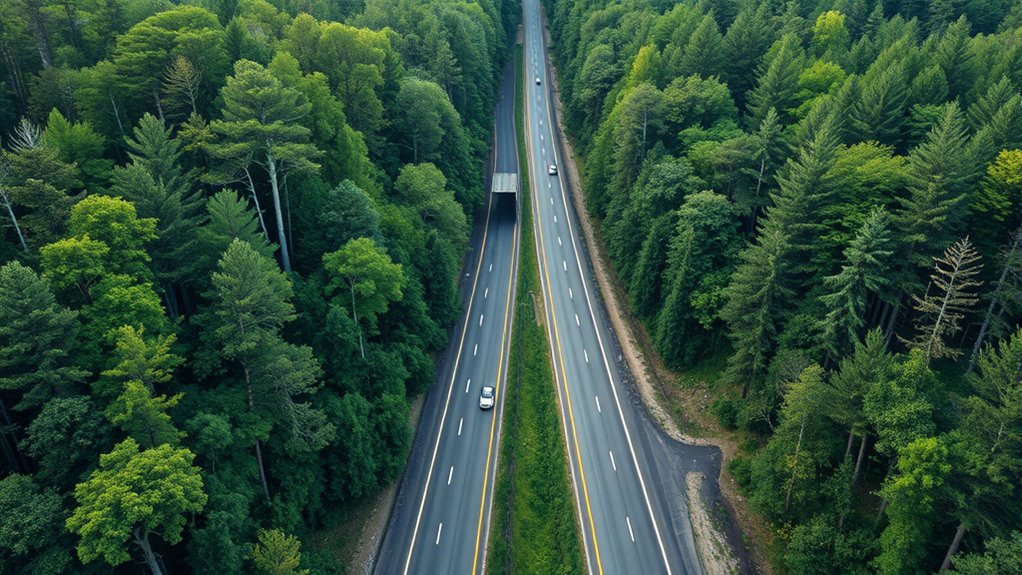
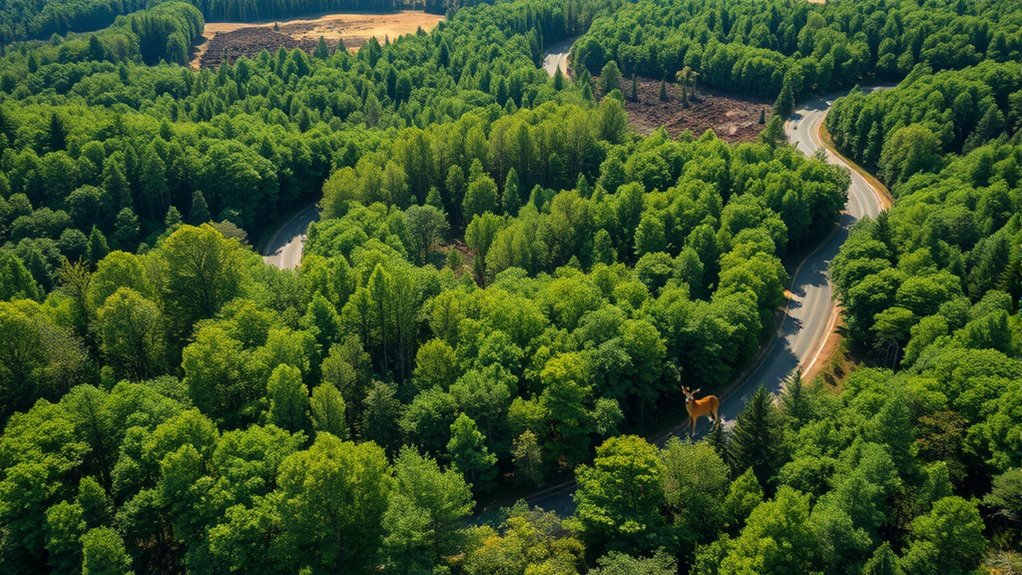
Habitat fragmentation primarily results from human activities that alter natural landscapes. When you build roads, cities, or infrastructure, you divide large, continuous habitats into smaller patches. Resource extraction like logging and mining also break up forests and other ecosystems, making them more vulnerable. Climate disasters, such as wildfires and floods, can naturally fragment habitats, but human-induced climate change worsens this process. War and human conflicts destroy and fragment environments as well. Even natural events like landslides or volcanic eruptions contribute to landscape changes. These actions reduce the size of habitat patches, making it harder for wildlife to thrive. Additionally, dog names can sometimes reflect the environment or culture of a region, highlighting the connection between human activity and animal identity. As a result, species face increased threats, and ecosystems become less resilient to environmental changes.
Decline in Species Richness and Biodiversity
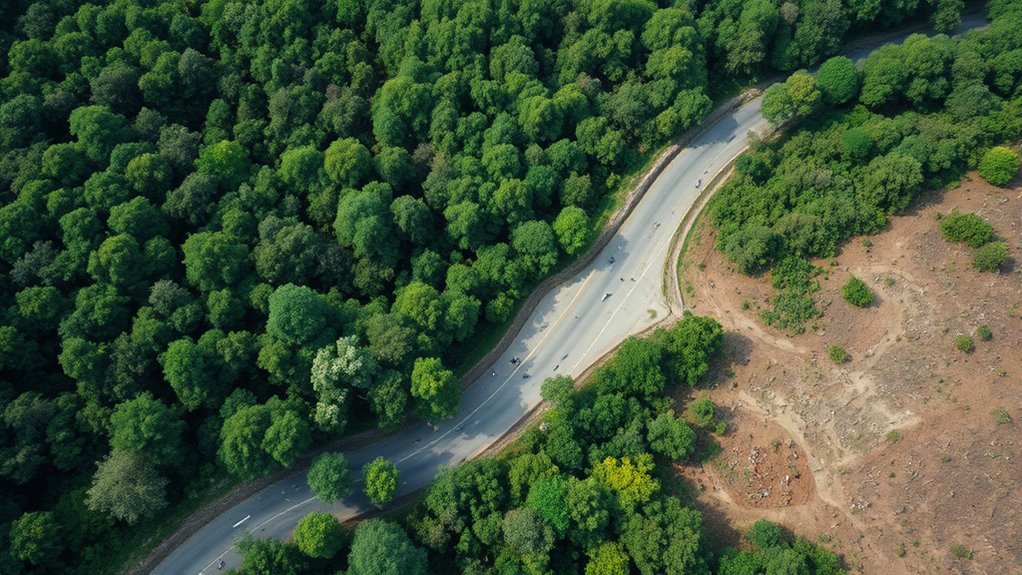
When ecosystems become fragmented, they experience a significant loss in species richness and biodiversity. You’ll find that these broken habitats support about 12.1% fewer species than intact areas. Globally, fragmentation reduces biodiversity by 13 to 75%, severely impacting various ecosystems. Small or isolated patches tend to lose species faster—after just a year, they can have 5% fewer species, and after ten years, up to 15%. You’ll also notice changes in community composition, often favoring pioneer species over native ones. Edge effects increase exposure to predators, contaminants, and microclimate changes, further degrading habitat quality. As a result, many species struggle to survive, reproduce, and maintain healthy populations, leading to a significant decline in overall biodiversity and threatening the resilience of ecosystems. Additionally, fostering creative practice and embracing innovative solutions can help develop strategies for habitat restoration and conservation efforts. Implementing urban green spaces and wildlife corridors can also mitigate some of the negative impacts of fragmentation on biodiversity.
Challenges to Animal Movement and Migration
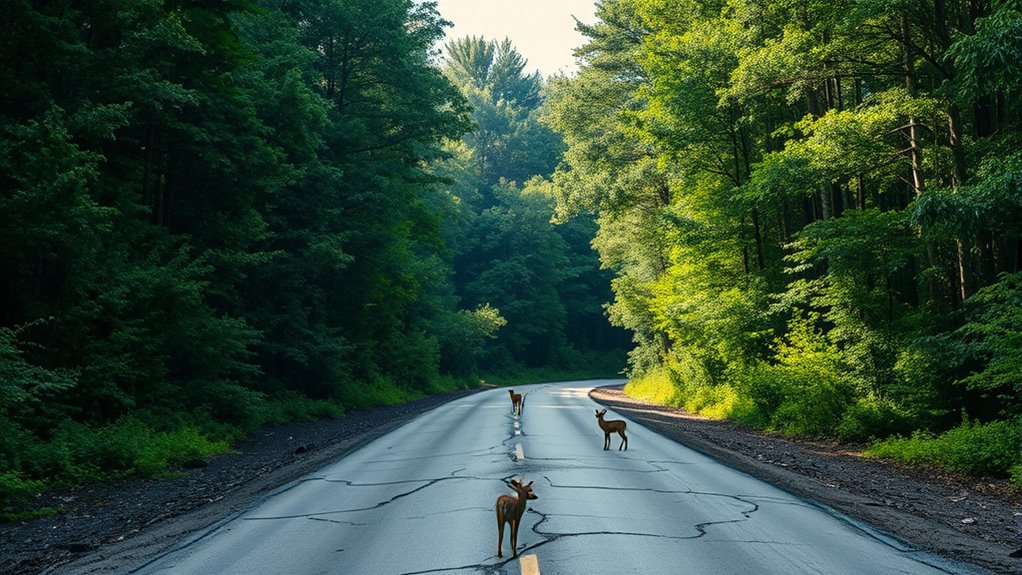
Habitat fragmentation disrupts animal movement by breaking up migration routes and blocking access to essential habitats. You’ll also notice an increase in wildlife collisions with vehicles as animals cross roads and human infrastructure. These barriers make it harder for species to find mates, breed successfully, and maintain healthy populations. Additionally, local laws and regulations can influence how land development and conservation efforts are managed to mitigate these impacts.
Disrupted Movement Corridors
Disrupted movement corridors pose a significant challenge to animal migration and mobility. When roads, fences, and urban areas cut through habitats, animals find it harder to travel between feeding, breeding, and nesting sites. You might see animals hesitating at barriers or attempting dangerous crossings, increasing their risk of injury or death. These disruptions force wildlife to alter their usual routes, often leading to increased energy expenditure and stress. Migratory species, such as deer or birds, struggle to find safe pathways, which can result in reduced reproductive success and population declines. Fragmented corridors also prevent genetic exchange, making populations more vulnerable to disease and environmental changes. Overall, these barriers threaten species survival by impeding natural movement patterns and connectivity.
Increased Wildlife Collisions
Increased wildlife collisions are a direct consequence of habitat fragmentation, as animals struggle to navigate human-made barriers like roads and fences. When natural pathways are disrupted, animals often cross roads in search of food, water, or mates, putting them at risk of being hit by vehicles. These collisions not only cause injury or death to wildlife but also pose dangers to drivers and passengers. As habitats become divided into smaller patches, animals have fewer safe crossing points, increasing their chances of encountering traffic. This ongoing risk discourages migration and dispersal, leading to population declines and genetic isolation. Reducing collisions requires creating wildlife corridors, installing crossings, and implementing measures that allow animals to move safely across fragmented landscapes.
Reduced Breeding Opportunities
When animals face fragmented landscapes, their opportunities to breed naturally decline because they struggle to access suitable mates and ideal nesting sites. Fragmentation isolates populations, making it harder to find compatible partners and safe breeding grounds. You might picture:
- Animals wandering through broken habitats, searching desperately for mates amid unfamiliar terrain
- Birds attempting to nest on exposed edges, vulnerable to predators and harsh weather
- Fish navigating fragmented streams, unable to reach traditional spawning sites
These barriers reduce reproductive success, leading to declining populations. Animals may skip breeding seasons or produce fewer offspring. As their movement is restricted and habitats become less suitable, their ability to reproduce diminishes, threatening long-term survival and genetic diversity.
Genetic Diversity and Its Importance
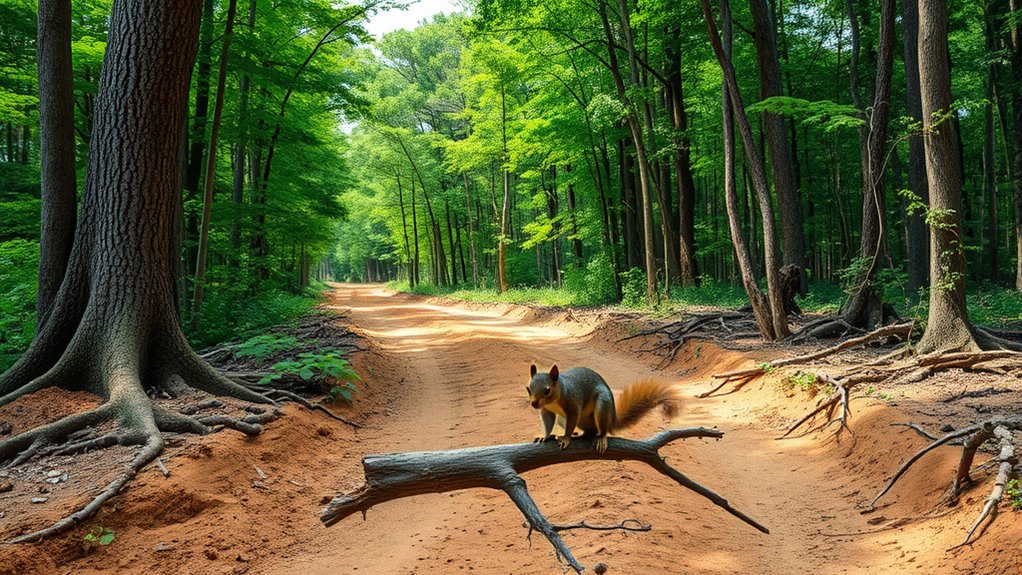
When habitats become fragmented, you risk losing essential genetic variation within species. This reduction increases inbreeding, making populations more vulnerable to diseases and environmental changes. As genetic diversity declines, their ability to adapt weakens, raising the chances of extinction.
Genetic Variation Loss
Have you ever wondered why genetic diversity is essential for species survival? When habitats break apart, gene flow slows or stops, leading to genetic variation loss. This reduces a population’s ability to adapt to environmental changes and fight off diseases. As habitats shrink, small, isolated groups form, making it harder for beneficial genes to spread. Imagine:
- A genetic pool drying up, leaving only a few gene options.
- Populations becoming more vulnerable to illnesses and pests.
- Reduced resilience, risking extinction when conditions shift.
Without enough genetic variation, species struggle to evolve and survive long-term. You can picture a once-diverse community of animals now confined to tiny patches, their genetic options limited, pushing them closer to disappearing forever. Recognizing the importance of genetic diversity can help us understand why conserving habitats is vital for the survival of wildlife. Genetic variation is crucial because it provides the raw material for natural selection to act upon, ensuring species can adapt over generations. Protecting habitats maintains population connectivity, which is essential for preserving genetic flow and diversity. Additionally, maintaining habitat connectivity helps prevent genetic isolation, which can lead to inbreeding depression and further threaten species viability.
Inbreeding Risks Increase
As habitats become increasingly fragmented, the risk of inbreeding rises sharply within isolated populations. When animals are confined to small patches, they have fewer mates, leading to a higher chance of breeding with relatives. This reduces genetic diversity, making populations less adaptable to environmental changes and more susceptible to diseases. Inbreeding can cause harmful genetic mutations and decrease reproductive success. Species like cheetahs and tigers exemplify this risk, showing diminished genetic variation due to habitat restrictions. Over time, inbreeding increases the likelihood of genetic disorders and lowers survival rates, pushing populations closer to extinction. Without gene flow from neighboring groups, these risks intensify, threatening the long-term viability of wildlife communities. Maintaining connectivity between habitats is essential to mitigate inbreeding and preserve genetic health. Additionally, **gene flow** among conservation efforts can enhance the resilience of remaining populations by fostering positive interactions and support for habitat restoration initiatives. The implementation of wildlife corridors can serve as vital pathways that facilitate genetic exchange, helping to counteract the negative effects of habitat fragmentation and promote healthier, more diverse gene pools. Moreover, habitat connectivity plays a crucial role in ensuring sustainable populations by allowing natural movement and interaction among different groups.
Adaptability Declines
Habitat fragmentation reduces genetic diversity within populations, directly impacting their ability to adapt to environmental changes. When populations become isolated, gene flow slows or stops, limiting the exchange of beneficial traits. This makes species less resilient to threats like disease, climate shifts, or new predators. You can imagine:
- Small populations with limited genetic options, like a handful of survivors trying to survive a storm.
- Inbreeding leading to weakened immune systems, similar to a family with little variation to fight off illness.
- Reduced ability to develop new traits, leaving species stuck with outdated adaptations. As genetic diversity declines, species struggle to respond to evolving challenges. Without enough variation, their chances of survival diminish, increasing the risk of extinction over time. Genetic diversity is a crucial factor for population resilience and long-term survival. Additionally, maintaining habitat connectivity can help preserve genetic flow and support species adaptation. Protecting population size and promoting corridors for movement are vital strategies to counteract these effects. Strengthening conservation efforts is essential to mitigate habitat fragmentation’s impacts and ensure species persistence. Promoting genetic exchange through habitat corridors can significantly enhance the ability of populations to adapt and thrive.
Edge Effects and Habitat Quality Deterioration
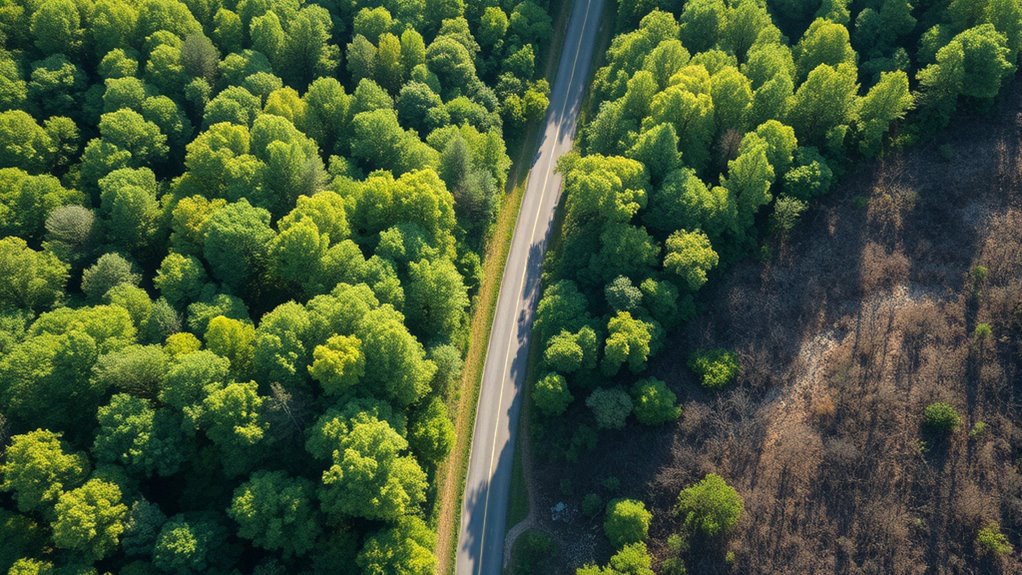
When habitats are fragmented, the increase in edge areas considerably impacts their ecological quality. Edges are more exposed to predators, invasive species, and human disturbances, which can weaken native populations. Microclimates at edges often change, with increased sunlight, temperature fluctuations, and wind, making conditions less suitable for interior species like mosses and certain birds. These areas experience higher rates of seed predation, herbivory, and reduced plant growth, which can alter the entire community structure. Many species that rely on stable, interior conditions struggle to survive near edges, leading to declines in biodiversity. As a result, habitat fragmentation not only shrinks space but also diminishes habitat quality, threatening the survival of sensitive species and disrupting ecological balance. Additionally, edge effects can facilitate the spread of invasive species, further threatening native biodiversity. The altered conditions at edges can also disrupt microclimate stability, impacting species adapted to interior habitat conditions.
Human-Wildlife Conflicts and Conservation Obstacles
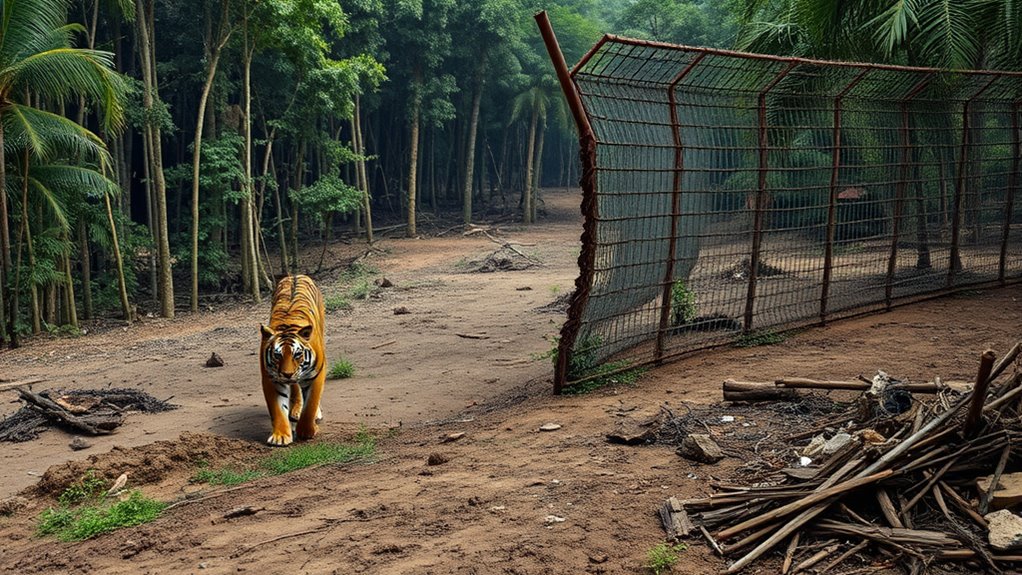
Human-wildlife conflicts have become a major obstacle to effective conservation efforts, as animals increasingly venture into human settlements in search of food, water, and habitat. You might see deer rummaging through gardens, elephants raiding crops, or bears scavenging trash. These encounters lead to property damage, livestock predation, and sometimes dangerous confrontations. The escalation of conflicts makes both humans and animals vulnerable, fueling fear and hostility. To visualize this, consider:
- Animals crossing busy roads, risking collisions with vehicles.
- Predators preying on livestock, threatening farmers’ livelihoods.
- Wildlife entering urban areas, increasing the risk of disease transmission.
- These conflicts are often exacerbated by habitat fragmentation, which reduces natural resources and forces animals into closer contact with humans, highlighting the importance of maintaining habitat connectivity.
Addressing these conflicts requires balancing conservation with human safety and livelihood needs, often complicating efforts to protect fragmented habitats.
The Role of Movement Corridors in Preservation
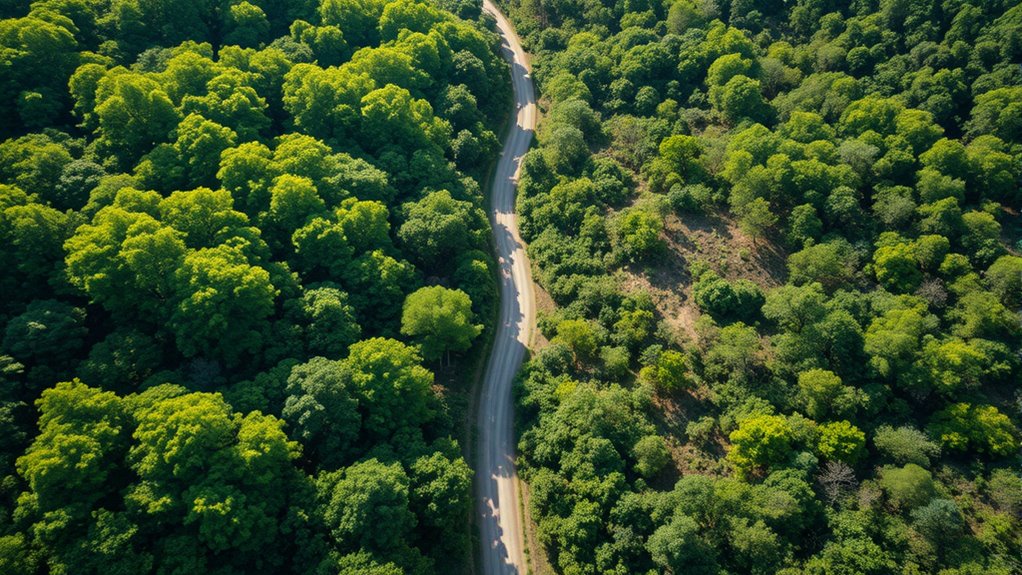
Wildlife often faces obstacles like roads, fences, and urban development that block their natural movement between habitat patches. Movement corridors serve as essential pathways, allowing animals to migrate, find food, and breed safely. By maintaining connected habitats, these corridors help reduce genetic isolation and support healthy populations. Without them, animals are forced into smaller, fragmented areas, increasing their vulnerability to predators, disease, and extinction. Corridors also enable species to adapt to environmental changes, such as climate shifts. Effective corridors are carefully planned to avoid human conflicts and infrastructure. Preserving and restoring these pathways is vital for maintaining biodiversity and ecosystem stability. When you prioritize Habitat connectivity, you help ensure wildlife can move freely, survive, and thrive despite habitat fragmentation. These corridors also facilitate movement pathways, which are crucial for the resilience of ecosystems and the survival of diverse species. Additionally, understanding the importance of zoning laws can aid in protecting and establishing new corridors to enhance habitat connectivity.
Strategies to Mitigate Habitat Fragmentation
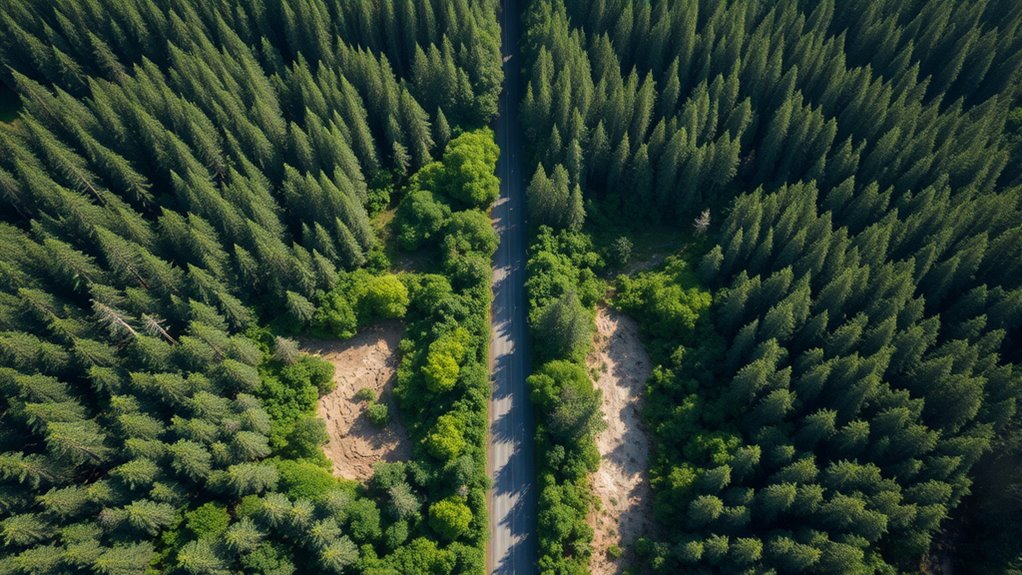
To effectively mitigate habitat fragmentation, conservation efforts focus on restoring and maintaining connectivity between isolated patches. You can achieve this by creating wildlife corridors, protecting existing natural links, and restoring degraded habitats. These strategies help animals move freely, access breeding sites, and maintain genetic diversity. Imagine connecting fragmented forests with green corridors that resemble natural ribbons weaving through urban areas. Protecting and expanding existing corridors ensures species don’t get cut off. Restoring habitats involves replanting native vegetation, removing barriers like fences, and managing invasive species. Visualize a network of green pathways, crossing highways and urban landscapes, allowing wildlife to traverse safely. These measures reduce edge effects, support biodiversity, and enhance resilience against climate change impacts. Your efforts can bridge gaps and foster healthier, more connected ecosystems.
Frequently Asked Questions
How Does Habitat Fragmentation Affect Ecosystem Services?
Habitat fragmentation disrupts ecosystem services by reducing biodiversity and altering natural processes. You might notice fewer pollinators, which affects crop production, or less water filtration from degraded wetlands. As species lose their habitats, their ability to provide essential services diminishes, leading to decreased food security, climate regulation, and clean water availability. Fragmentation weakens ecosystems, making them more vulnerable to environmental changes and less able to support human needs.
What Role Do Invasive Species Play in Fragmented Habitats?
In fragmented habitats, invasive species thrive because they face fewer natural predators and competitors. You might notice these species quickly establishing themselves, outcompeting native plants and animals for resources. They alter the ecosystem balance, making it harder for native species to survive. As a result, invasive species can further reduce biodiversity, disrupt ecological functions, and hinder conservation efforts, putting more pressure on already vulnerable wildlife populations.
Can Habitat Restoration Fully Reverse Fragmentation Impacts?
Habitat restoration can substantially reduce some fragmentation impacts, but it can’t fully reverse all damage. You might reconnect patches, restore native vegetation, and create corridors, which help wildlife move and breed. However, some effects like genetic isolation, altered community structures, and edge habitats may persist. Restoration improves conditions, but long-term conservation efforts are essential to maintain biodiversity and support resilient ecosystems.
How Do Climate Change and Habitat Fragmentation Interact?
Imagine a once seamless tapestry torn into shards—that’s how climate change and habitat fragmentation intertwine. Climate disasters, like wildfires and floods, accelerate habitat splitting, while fragmented landscapes trap species, making them more vulnerable. You see, together, they amplify each other’s effects, shrinking biodiversity and disrupting animal migrations. This vicious cycle worsens the plight of wildlife, forcing you to realize that addressing one without the other won’t restore the balance.
What Policies Can Effectively Reduce Habitat Fragmentation Worldwide?
You can support policies that establish protected areas and wildlife corridors to connect fragmented habitats. Advocate for stricter regulations on urban development, logging, and mining activities, and promote sustainable land-use practices. Push for global cooperation on climate action to reduce disasters that cause fragmentation. Encourage governments to enforce conservation laws, provide funding for habitat restoration, and incorporate community involvement to guarantee long-term habitat connectivity and biodiversity preservation.
Conclusion
As you consider the fragile patches of wilderness shrinking around us, imagine the silent barriers growing taller and thicker. Without action, essential migration routes vanish, and species vanish with them. But the fight isn’t over yet. Will you help create movement corridors and protect remaining habitats? The future of countless creatures depends on whether you step up now—because once these habitats are gone, there’s no turning back. The question is, will you act before it’s too late?