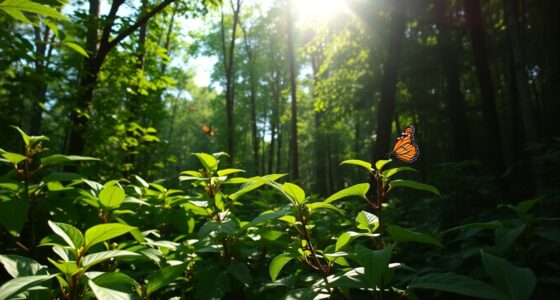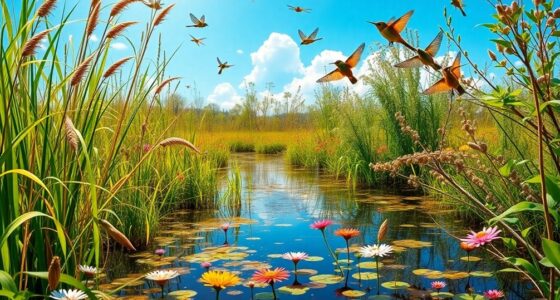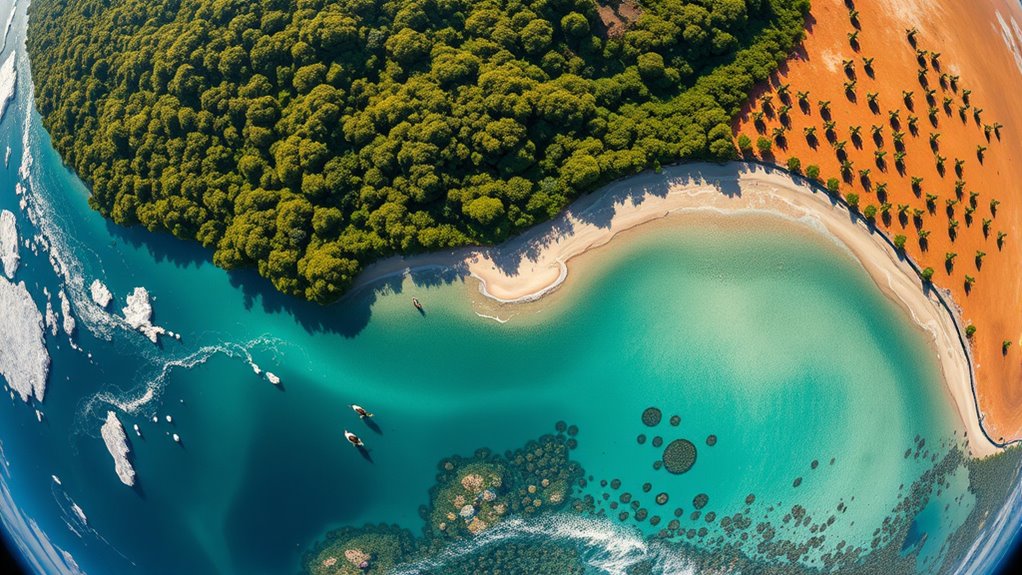

Earth’s major biomes include tropical rainforests, deserts, grasslands, forests, tundra, and aquatic environments. Each features unique climates and organisms adapted to survive extreme conditions, from dense canopies and biodiversity hotspots to water-conserving desert plants and cold-tolerant animals. These ecosystems play essential roles in climate regulation, oxygen production, and supporting life. To understand how these diverse environments sustain Earth’s balance, keep exploring their fascinating features and adaptations.
Key Takeaways
- Earth’s major biomes include tropical rainforests, deserts, grasslands, forests, and tundra, each with unique climate and biodiversity.
- Tropical rainforests are dense, humid, and vital for oxygen production and climate regulation.
- Deserts are dry, with specialized plants and animals adapted to conserve water and survive extreme temperatures.
- Forests support rich ecosystems, hosting most of Earth’s terrestrial species and playing key roles in carbon storage.
- Cold biomes like tundra feature permafrost, mosses, lichens, and animals adapted to extreme cold and limited resources.
Tropical Rainforests: The Planet’s Lungs and Biodiversity Hotspots
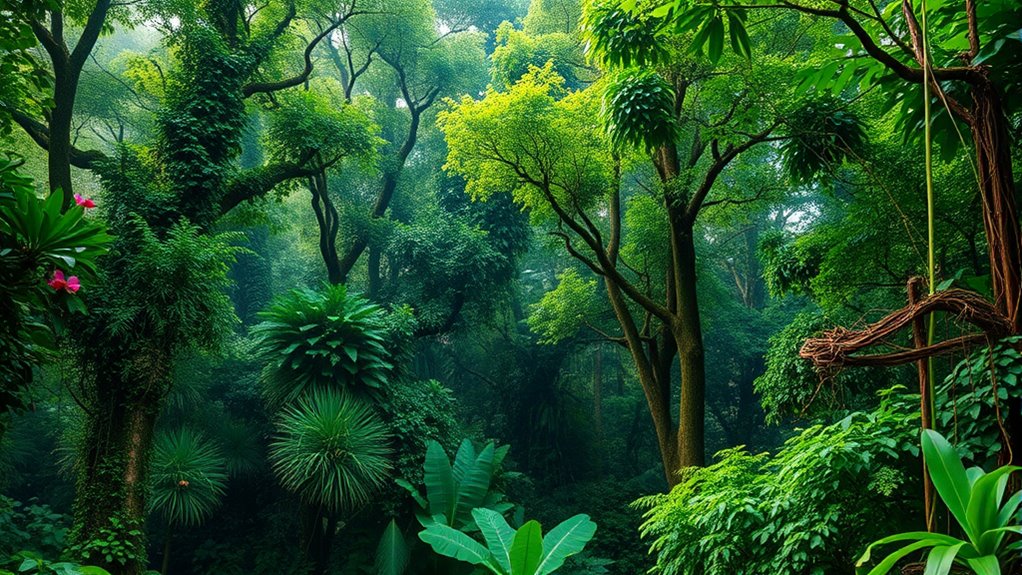
Tropical rainforests are indispensable to the health of our planet because they act as the Earth’s lungs, producing a significant portion of the world’s oxygen. Located near the equator, these forests thrive with warm temperatures and heavy rainfall, often exceeding 200 cm annually. You’ll find towering trees forming a dense canopy that filters sunlight, creating a layered environment rich in life. These forests support extraordinary biodiversity, hosting primates, birds, insects, and countless plant species. Their complex ecosystems regulate local climate, stabilize soil, and absorb carbon dioxide. Protecting these essential biomes is imperative to maintaining global ecological balance and ensuring the survival of countless species. Additionally, sustainable conservation efforts are critical to counteract threats like deforestation and human activity.
Deserts: Extreme Conditions and Adapted Life Forms
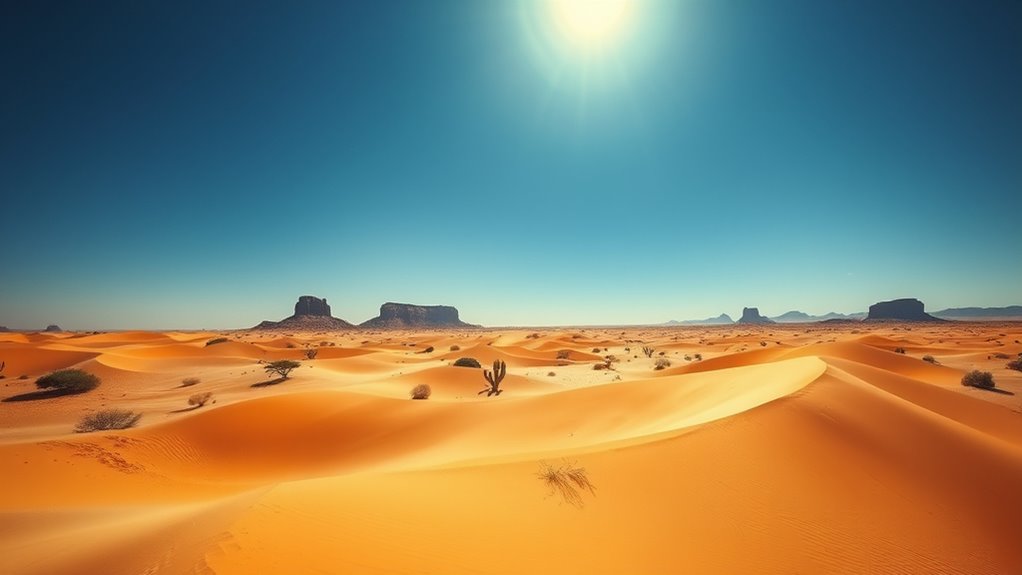
Deserts are some of the most extreme environments on Earth, characterized by low rainfall and vast temperature fluctuations. You’ll find these regions in areas like the Sahara, Arabian Desert, and Gobi. Life here adapts to harsh conditions through unique strategies:
- Plants develop succulence, storing water in thick leaves or stems.
- Animals have water-conserving features, like nocturnal habits or burrowing behaviors.
- Soil remains nutrient-poor, yet some species thrive with deep roots or specialized digestion.
- The presence of specialized navigation systems in some animals helps them find resources across vast, featureless landscapes.
- These ecosystems often rely on biodiversity adaptations, which enable survival despite the extreme environment.
- Many desert species have evolved temperature regulation techniques to survive the intense heat during the day and cold at night, and some have developed water conservation strategies to endure prolonged dry periods. Additionally, some organisms utilize metabolic adjustments to optimize energy use in scarce conditions.
Despite the challenging climate, deserts support a surprising variety of life forms that have evolved to survive in extreme heat and scarcity. These adaptations enable plants and animals to endure conditions that would be impossible in less extreme environments.
Grasslands and Savannas: The Breadbaskets of the World
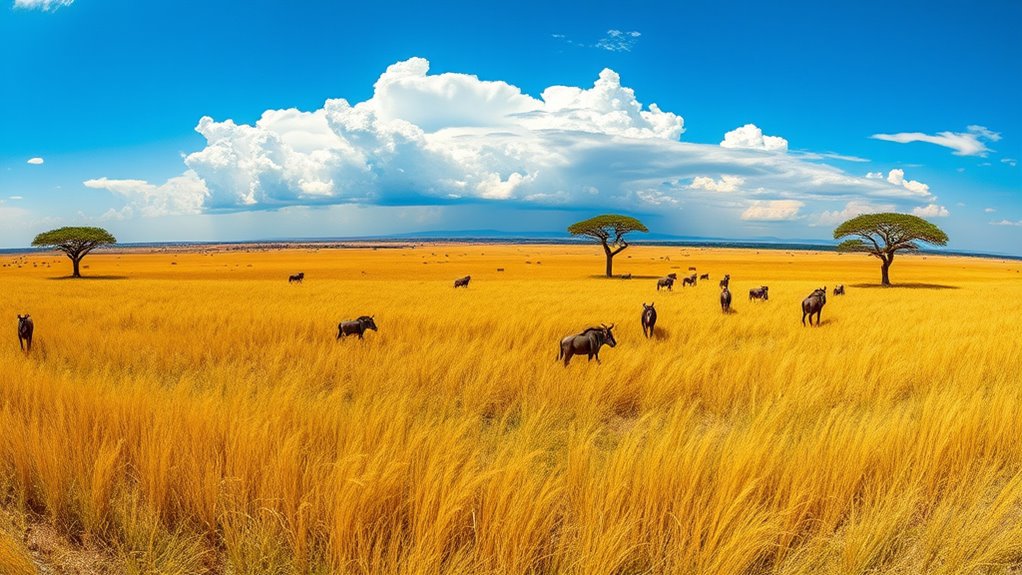
You see, the plants in grasslands and savannas have unique adaptations like deep roots and water-storing tissues to survive droughts and fires. These regions also support a variety of animals, such as zebras and antelopes, that have evolved to thrive in open, often harsh environments. Understanding these adaptations reveals how life persists in some of Earth’s most essential agricultural areas.
Grassland Plant Adaptations
Grassland plants have evolved a variety of adaptations that enable them to survive in environments with seasonal droughts, frequent fires, and nutrient-poor soils. To thrive, they develop specific features:
- Deep root systems that access underground water during dry periods and stabilize the soil. These roots also facilitate nutrient uptake from deep soil layers, supporting plant growth in poor soils.
- Fire-resistant tissues or the ability to resprout quickly after burns, ensuring survival after fires.
- Reduced leaf surface area or thickened leaves to minimize water loss and withstand high temperatures.
- The use of aesthetic wall organization systems can help reduce clutter and promote order in areas where these plants are showcased or cultivated. Additionally, many grassland species have developed specialized reproductive strategies to ensure seed dispersal and survival across generations.
- Some grassland plants have also evolved drought-tolerant features such as water-storing tissues to cope with extended dry periods.
These adaptations help grassland plants conserve water, recover from disturbances, and survive harsh conditions. Their resilience supports the diverse herbivores and maintains the fertility of these essential ecosystems. By thriving in tough environments, they sustain the productivity of grasslands and savannas worldwide.
Savanna Animal Life
Have you ever wondered how animals thrive in the expansive savannas and grasslands that serve as essential breadbaskets for the world? These ecosystems support a diverse array of wildlife adapted to seasonal droughts and periodic fires. Large herbivores like elephants, zebras, and antelopes graze on tall grasses, while predators such as lions, cheetahs, and hyenas hunt them. Many animals have developed unique traits, like the giraffe’s long neck for reaching high foliage or the wildebeest’s powerful legs for migration. Birds, insects, and smaller mammals also flourish here. The soil’s fertility sustains these species, creating a dynamic balance of predator and prey. Additionally, eye patch benefits play a role in protecting animals’ eyes from harsh environmental elements, showcasing nature’s own adaptations. These adaptations are often seen in animals with unique physical traits that enhance their survival. The presence of resilient plant species further supports the diverse animal communities by providing essential cover and food sources. This vibrant animal life hinges on the savanna’s seasonal rhythms and adaptations to environmental challenges. Understanding biome diversity helps us appreciate the intricate relationships that sustain these ecosystems.
Forests: Temperate and Boreal Ecosystems
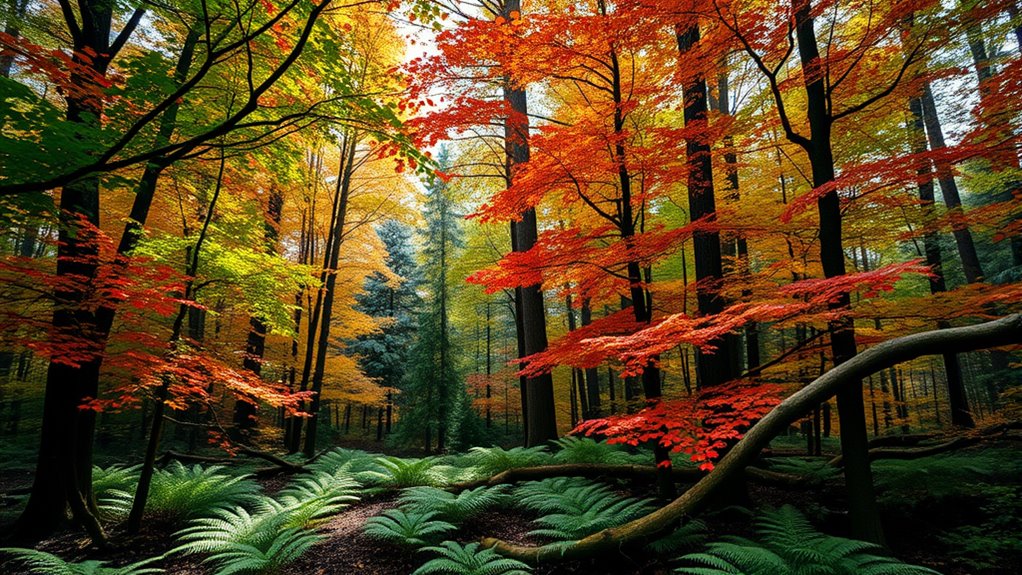
Ever wonder what makes temperate and boreal forests unique among Earth’s ecosystems? You’ll find these forests across broad regions with distinct climates and vegetation. Here’s what sets them apart:
- Temperate forests have four seasons, with warm summers and cold winters, supporting deciduous and coniferous trees. These forests often serve as important habitats for wildlife, providing shelter and food for numerous species. Their rich soil and seasonal changes also influence the diverse plant life that thrives there. The biodiversity within these forests is essential for maintaining ecological balance.
- Boreal forests, or taiga, are mostly coniferous, with short summers and long, harsh winters, often covered in snow. The resilient conifers are well-adapted to the cold environment and help sustain various animal populations during extreme weather conditions. The vulnerability of these ecosystems to climate change underscores the importance of AI security in protecting ecological data.
- Both support diverse wildlife like deer, bears, and migratory birds, adapting to seasonal changes. The seasonal migration patterns are crucial for the survival of many species in these ecosystems.
- Unique culinary experiences such as regional dishes and local ingredients are often celebrated in areas surrounding these forests, enriching cultural connections. The traditional foods often incorporate local ingredients that reflect the natural bounty of these regions.
Tundra and Aquatic Environments: Cold Climates and Water-Based Habitats
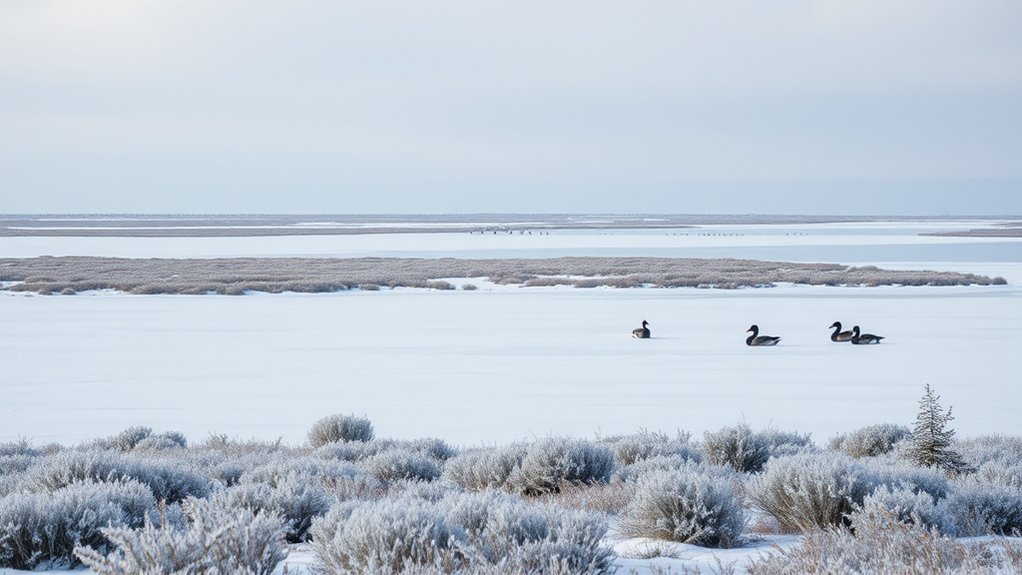
In cold climates like the tundra, plants and animals develop unique adaptations to survive freezing temperatures and limited growing seasons. Permafrost locks nutrients in the soil, shaping the types of vegetation that can thrive there. Water environments, from freshwater lakes to vast oceans, host incredible diversity, supporting life adapted to both icy and warm conditions. Exploring best anime movies can reveal how storytelling adapts across different cultures and environments.
Tundra’s Cold Adaptations
To survive in the harsh, cold environment of the tundra, plants and animals have developed specialized adaptations that help them withstand extreme temperatures and limited resources.
- Thick fur or feathers: Animals like Arctic foxes and caribou grow dense coats that insulate against freezing temperatures.
- Compact bodies: Many tundra species, such as lemmings, have small ears and short limbs to minimize heat loss.
- Limited vegetation growth: Plants like mosses and lichens grow close to the ground, where the soil is slightly warmer, and they have antifreeze proteins to prevent ice formation.
These adaptations enable life in a frozen landscape, ensuring survival despite the extreme cold and scarce food sources.
Permafrost and Soil
Permafrost, a layer of permanently frozen soil, plays a essential role in shaping tundra and aquatic environments in cold climates. It traps nutrients and water, influencing plant growth and soil stability. During summer, the top layer thaws, creating a soggy, nutrient-rich surface, while deeper layers remain frozen. This limits root penetration and plant diversity. The table below highlights key aspects of permafrost and soil:
| Aspect | Description |
|---|---|
| Soil Composition | Mostly frozen mineral-rich material |
| Vegetation | Mosses, lichens, low shrubs |
| Animal Adaptations | Cold-tolerant species, burrowing animals |
| Impact on Ecosystems | Controls water flow, influences habitat structure |
Understanding permafrost helps you grasp how cold climates sustain unique ecosystems despite harsh conditions.
Water Environments Diversity
The unique soil and vegetation patterns shaped by permafrost create distinct water-based habitats in cold climates. In these environments, you’ll find:
- Frozen lakes and ponds that form and thaw seasonally, supporting cold-adapted species.
- Subglacial water systems beneath ice sheets, hosting microbial life and influencing global climate.
- Coastal Arctic waters rich in plankton, fish, and marine mammals like seals and whales.
These habitats support mosses, lichens, and hardy animals such as Arctic foxes and caribou. The cold temperatures and seasonal ice cover shape nutrient cycles and biodiversity. Marine environments, including the Arctic Ocean, are essential for global climate regulation and support a diverse array of marine life.
Human Impact and Conservation of Terrestrial Biomes
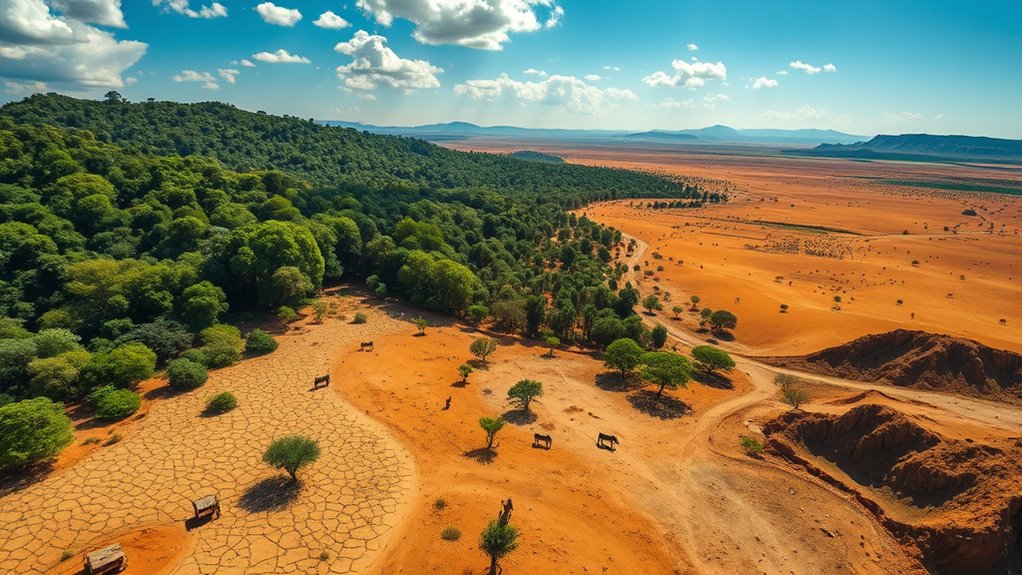
Human activities have markedly altered terrestrial biomes, threatening their delicate balance and reducing biodiversity. Deforestation for agriculture, logging, and urban development destroys habitats and disrupts ecosystems. Overgrazing and unsustainable farming lead to soil erosion and desertification, especially in grasslands and savannas. Climate change, driven by fossil fuel emissions, shifts temperature and rainfall patterns, further stressing ecosystems like tundra and forests. Conservation efforts focus on protecting remaining habitats, restoring degraded land, and establishing protected areas. You can support these initiatives by reducing your ecological footprint, supporting sustainable products, and raising awareness. Regular checks on environmental data and monitoring can help identify early signs of ecosystem stress. Additionally, understanding the financial impact of industries like WWE Raw and top female singers highlights the importance of sustainable management of resources and wealth. Preserving terrestrial biomes is essential for maintaining biodiversity, regulating climate, and supporting human life. Active conservation is crucial to safeguard Earth’s ecosystems for future generations. Engaging in public education about environmental issues can also foster a more conservation-minded society. Promoting awareness of ecosystem services emphasizes how natural systems benefit human well-being and the planet’s health.
Frequently Asked Questions
How Do Biomes Influence Global Climate Patterns?
Biomes influence global climate patterns by shaping temperature, humidity, and rainfall distribution across the planet. You can see how forests, deserts, and grasslands affect local and atmospheric conditions, impacting weather systems worldwide. For example, tropical rainforests release moisture into the atmosphere, promoting heavy rainfall nearby, while deserts contribute to dry, hot conditions. These interactions help regulate Earth’s climate, creating a balance that sustains diverse ecosystems and weather patterns.
What Roles Do Keystone Species Play in Maintaining Biomes?
Have you ever wondered what keeps a biome balanced? Keystone species play a vital role by maintaining the structure and diversity of their ecosystems. They control populations of other species, influence nutrient flow, and shape habitats. When they disappear, entire ecosystems can collapse, like a missing puzzle piece. You see, their presence stabilizes the biome, ensuring it remains resilient and thriving for all its plant and animal inhabitants.
How Do Invasive Species Threaten Native Biome Ecosystems?
Invasive species threaten native biome ecosystems by outcompeting local plants and animals for resources like food, space, and nutrients. You might notice native species decline as invasive ones spread rapidly, disrupting food chains and habitat balance. These newcomers often lack natural predators, allowing them to multiply unchecked. Their presence can lead to loss of biodiversity, altered habitat structures, and decreased resilience of the ecosystem, ultimately harming the natural functions you rely on.
What Are the Biggest Challenges in Biome Conservation?
You face major challenges in biome conservation like habitat destruction from human activities such as deforestation, urbanization, and agriculture. Climate change further threatens ecosystems by altering temperature and precipitation patterns, making habitats unsuitable for native species. Pollution and invasive species also disrupt delicate balances. To succeed, you need sustainable practices, protected areas, and global cooperation to preserve biodiversity and guarantee ecosystems remain resilient for future generations.
How Does Climate Change Alter Biome Boundaries and Distributions?
Climate change shifts biome boundaries and distributions by altering temperature and precipitation patterns. You’ll see some biomes, like tundras, shrinking as temperatures rise, while others, like deserts, expand due to increased evaporation and drought. These changes force plants and animals to adapt, migrate, or face extinction. Your actions affecting climate directly influence where biomes exist, disrupting ecosystems and threatening biodiversity across the planet.
Conclusion
As you explore these diverse biomes, you’ll realize how fragile and essential each one is. Imagine the lush rainforests teeming with life, the vast deserts holding secrets beneath shifting sands, and the icy tundras whispering stories of resilience. Your actions can tip the balance—will you help preserve these wonders or watch them fade into memory? The future of Earth’s ecosystems depends on what you choose to do next. The planet’s fate is in your hands.