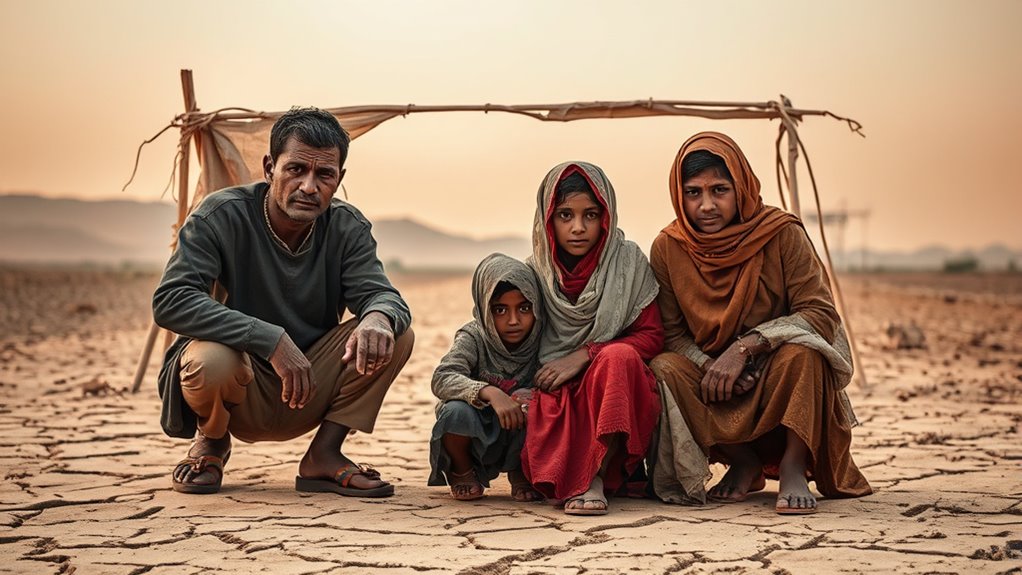

Climate refugees are people forced to leave their homes due to environmental changes like flooding, droughts, and rising sea levels. Despite increasing numbers—millions are displaced each year—international laws don’t officially recognize them as refugees, leaving vulnerable populations without protections. Many face threats in overcrowded camps or forced migration to uncertain futures. To understand how global efforts are addressing this urgent crisis and what can be done, explore the key issues shaping their human experience.

Get school and study supplies delivered free — and shop member deals
- Fast, free delivery on millions of items
- Access to Prime Big Deal Days deals on October 6–7
- Prime Video, Amazon Music and more included
Key Takeaways
- Climate refugees are individuals forced to flee environmental disasters, but international law does not legally recognize this category.
- Rising sea levels, droughts, and floods displace millions, often in vulnerable regions like Pacific Islands and Sub-Saharan Africa.
- Displaced populations face legal gaps, limited protections, and increased risks of exploitation and marginalization.
- Refugee camps in high-risk areas are vulnerable to climate impacts, worsening living conditions and access to essential services.
- Regional and national policies are gradually integrating climate displacement but lack comprehensive legal frameworks and enforcement.
emergency preparedness kits for climate refugees
As an affiliate, we earn on qualifying purchases.
As an affiliate, we earn on qualifying purchases.
Understanding the Legal Landscape for Climate Displacement
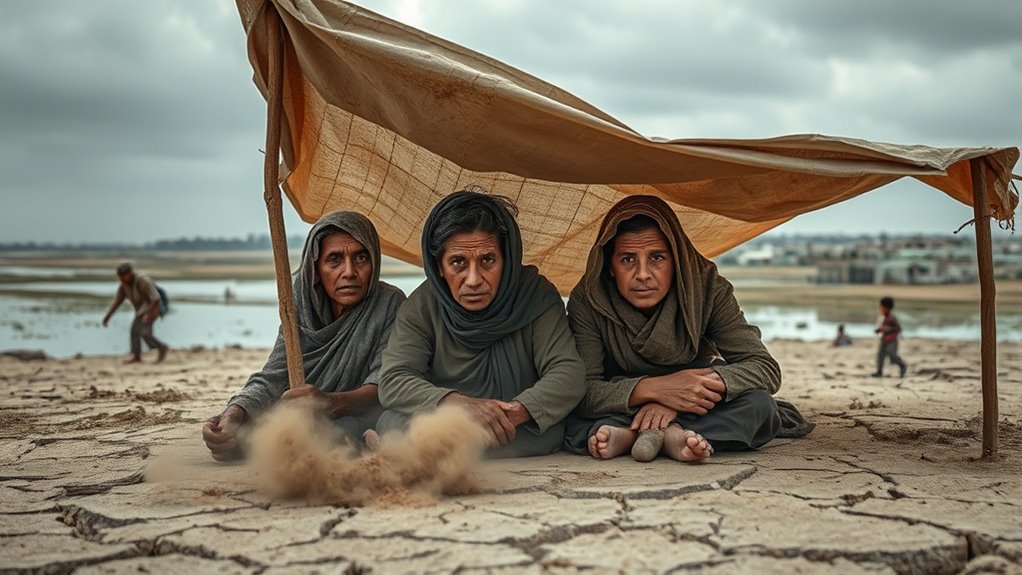
Have you ever wondered why climate migrants lack clear legal protections? The main reason is that international law doesn’t recognize “climate refugee” as an official category. The 1951 Refugee Convention defines refugees as people fleeing persecution, not environmental or climate factors. Because of this, climate migrants don’t have formal rights or protections under current frameworks. Some regional agreements, like the OAU Convention or Cartagena Declaration, offer broader definitions that might include climate displacement, but they’re not universally adopted. Efforts to reinterpret existing treaties to include climate migrants face resistance from many governments. As a result, millions displaced by climate change lack legal status, leaving them vulnerable to exploitation, without access to asylum, or international aid. Additionally, international legal frameworks have yet to evolve to address the unique challenges faced by climate-displaced populations effectively. Developing comprehensive legal protections for these populations is critical to ensure their safety and rights in an increasingly climate-affected world. Recognizing and adapting to these challenges is essential for developing comprehensive protections for climate migrants worldwide.
The Rising Tide: Quantifying Climate-Induced Migration

Climate-induced migration is escalating rapidly, with millions of people forced to move due to environmental changes. You can see this trend in the staggering numbers: by the end of 2024, approximately 9.8 million are internally displaced, and projections suggest up to 216 million could migrate by 2050 if warming continues. This rise isn’t uniform; some regions face far higher risks. The table below highlights key displacement figures:
| Region | Estimated Displacement (2050) |
|---|---|
| Sub-Saharan Africa | 86 million |
| South Asia | 40 million |
| Central America | 12 million |
| Pacific Islands | 2 million (permanent displacement) |
These numbers underscore the urgent need for targeted policies to address and manage this growing crisis. Understanding climate migration is essential for developing effective responses to this complex challenge.
Vulnerabilities of Refugee Camps in a Warming World
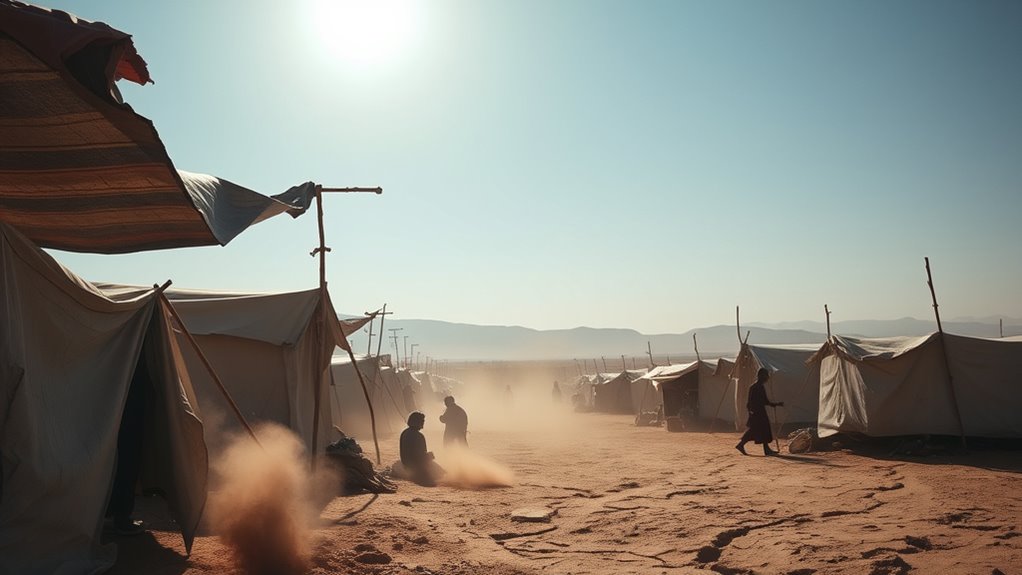
Why are refugee camps becoming increasingly vulnerable in a warming world? Rising temperatures intensify extreme weather events like floods, droughts, and heatwaves, directly threatening camp safety and stability. Many camps are situated in high-risk areas with poor infrastructure, making them prone to destruction and displacement. Overcrowding and limited resources strain already fragile systems, reducing access to clean water, healthcare, and shelter. As heat stress worsens, living conditions become unbearable, increasing health risks. Climate-related disruptions also hinder aid delivery, prolonging crises. Additionally, rising sea levels threaten low-lying camps, risking permanent loss of shelter. Vulnerable populations face a cycle of displacement and hardship, with climate change amplifying existing challenges and exposing deficiencies in protection, planning, and resilience efforts. Community engagement is also crucial for building local adaptive capacities and fostering innovative solutions to these growing threats. Moreover, the lack of adequate resources and tools hampers effective response and adaptation strategies, further exacerbating vulnerabilities. Incorporating climate-resilient infrastructure can significantly reduce some risks faced by these vulnerable communities. Furthermore, integrating early warning systems can help communities prepare for impending climate disasters and reduce loss of life. Developing comprehensive disaster preparedness plans is essential to enhance community resilience against climate-induced hazards.
Key Regions and Migration Dynamics Driven by Climate Change
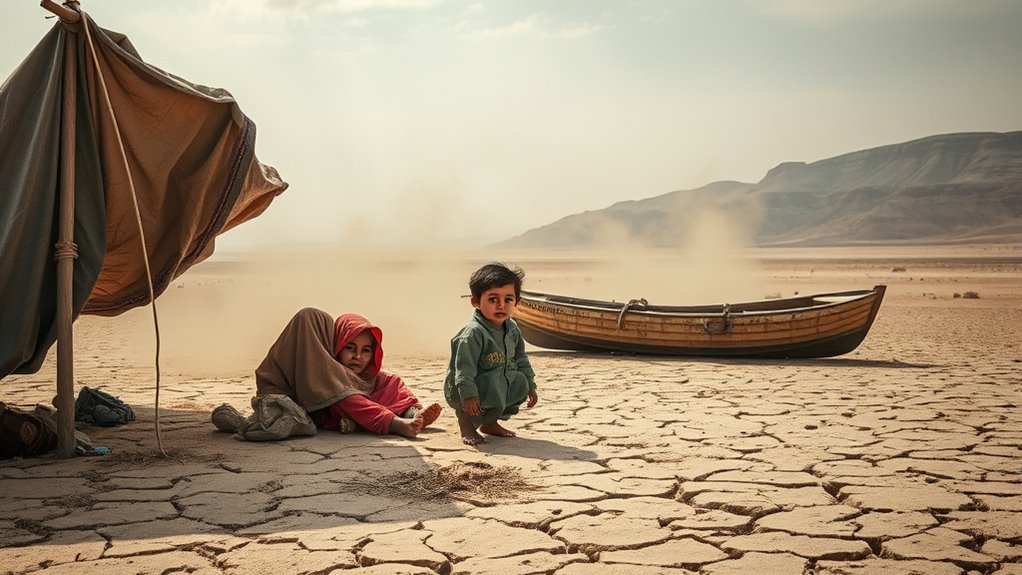
Regions across the world are experiencing distinct migration patterns as climate change reshapes their environments. In Sub-Saharan Africa, droughts and desertification push rural populations to urban areas or across borders. South Asia faces flooding and salinity intrusion, prompting migration to cities and neighboring countries. Low-lying Pacific Islands are confronting permanent displacement due to rising sea levels. Arid regions like the Sahel see people relocating in search of water and arable land. These shifts highlight the importance of understanding modern slang and how youth communicate about global issues. Here’s a snapshot of key regions and their migration drivers:
| Region | Main Climate Challenge | Migration Pattern |
|---|---|---|
| Sub-Saharan Africa | Drought and desertification | Rural to urban or cross-border |
| South Asia | Flooding, salinity | Urbanization, international migration |
| Pacific Islands | Sea level rise | Permanent displacement |
| Sahel | Water scarcity, desertification | Migration within and outside region |
| Central America | Droughts | Migration to North America |
These patterns reflect how climate change drives human movement, reshaping communities worldwide. Additionally, understanding climate resilience is crucial for developing effective migration policies and adaptation strategies. Recognizing the complexities of migration can help create comprehensive solutions for affected populations. Furthermore, building community-based responses is essential for supporting displaced populations and fostering sustainable adaptation. The integration of adaptive strategies into planning processes can significantly improve resilience outcomes for vulnerable communities.
Human Rights Challenges and Gaps in Protection
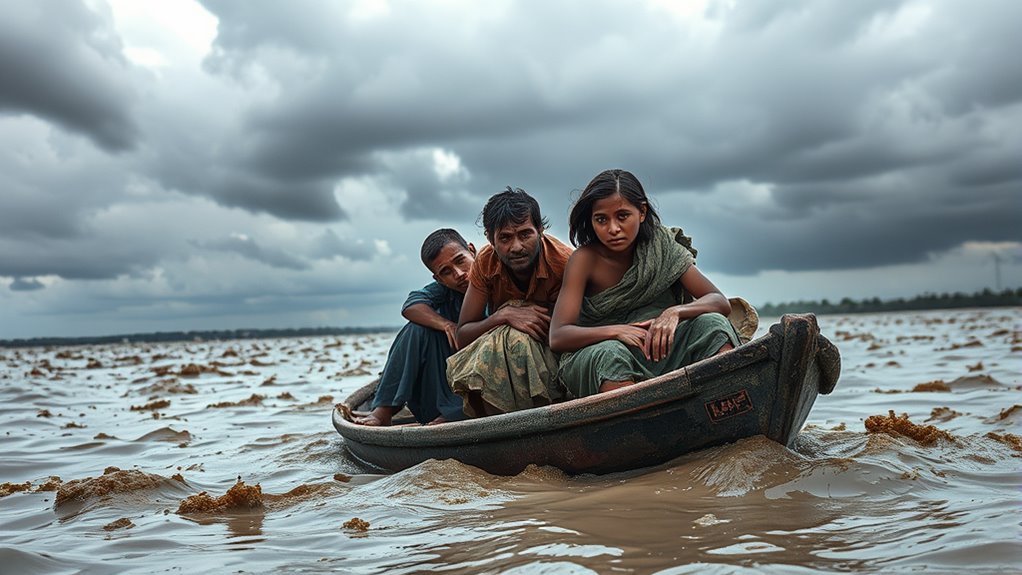
You need to recognize that climate migrants lack clear legal protections, leaving them vulnerable to exploitation and neglect. Vulnerable groups, such as women, children, and marginalized communities, face heightened risks without guaranteed rights or support. Addressing these gaps is essential to guarantee their dignity and safety amid climate-induced displacement. Implementing cost-effective policies can help allocate resources efficiently to support displaced populations. Without comprehensive policies that recognize their unique needs, these populations remain at risk of further marginalization and harm, emphasizing the importance of developing legal frameworks that specifically address climate refugee rights.
Legal Protections Deficit
Despite the growing number of people displaced by climate-related events, legal protections remain largely absent or insufficient. The term “climate refugee” isn’t recognized in international law, leaving many without formal rights or protections. The 1951 Refugee Convention only covers those fleeing persecution, not environmental causes. Some regional agreements, like the OAU Convention and Cartagena Declaration, offer broader definitions, but these are limited and not universally adopted. Countries often resist expanding legal frameworks to include climate migrants, citing sovereignty concerns. As a result, displaced individuals lack official status, access to asylum, or protection from forced return. This legal gap leaves millions vulnerable to exploitation, neglect, and further displacement, emphasizing the urgent need for international consensus and new protections to address climate-induced human mobility. Additionally, establishing comprehensive legal frameworks could help formalize protections and ensure that climate migrants are recognized and supported under international law. Recognizing these gaps is crucial to mobilize global efforts towards creating protected legal status for climate-displaced populations. Furthermore, increasing awareness of the human rights challenges faced by climate refugees can foster greater international commitment to developing effective legal protections. Addressing these issues requires a concerted effort to develop international standards that acknowledge the unique vulnerabilities of climate migrants and provide them with essential rights and support. Incorporating legal protections into international agreements could significantly improve the safety and dignity of those displaced by environmental changes.
Vulnerable Groups’ Risks
Vulnerable groups face heightened risks when climate change exacerbates their displacement, yet their human rights often go unprotected. You may find these groups lack legal status, leaving them exposed to exploitation and neglect. They often live in high-risk areas, such as refugee camps or low-lying islands, where extreme weather and rising seas threaten their safety. Displacement can lead to loss of access to healthcare, education, and livelihoods, deepening their vulnerabilities. Additionally, marginalized populations, including women, children, and indigenous peoples, face disproportionate risks. Without formal protections, they struggle to claim their rights or access assistance. Legal protections are crucial to safeguarding these groups’ rights and ensuring they receive necessary support. Implementing community-based approaches can help create more inclusive and effective solutions for these challenges, emphasizing the importance of adaptable and resourceful approaches.
Global Strategies and Policies to Address Climate Displacement

You need to understand how international legal frameworks are evolving to better protect climate-displaced people, even though many still lack formal recognition. Regional policy initiatives are emerging to fill gaps, creating more tailored responses to local challenges. At the national level, countries are developing adaptation strategies that aim to reduce displacement and strengthen resilience in vulnerable communities.
International Legal Frameworks
How effective are current international legal frameworks in addressing climate displacement? Not very, since climate migrants aren’t recognized under the 1951 Refugee Convention. You’ll find regional agreements like the OAU Convention and Cartagena Declaration offer broader definitions, but these are limited in scope. Some efforts aim to reinterpret existing laws, yet resistance from states hampers progress. Here’s what’s happening:
- Climate refugees lack formal legal protections.
- The 1951 Convention doesn’t cover environmental causes.
- Regional agreements include some climate-related provisions.
- Countries are slowly expanding refugee definitions.
- International bodies urge new legal instruments for climate displacement.
Regional Policy Initiatives
Regional policy initiatives are increasingly essential in addressing climate displacement, as they provide tailored frameworks that can adapt to local vulnerabilities and migration patterns. These initiatives promote cooperation among neighboring countries, enabling shared resources, information, and strategies. For example, some African nations collaborate on early warning systems and disaster response plans, helping communities prepare for climate shocks. Regional agreements also facilitate cross-border migration management, ensuring displaced populations receive aid and protection. Additionally, initiatives like the European Union’s resilience programs focus on integrating climate considerations into development policies. These efforts help build adaptive capacity, prevent forced migration, and promote sustainable solutions. By fostering regional solidarity, governments can better address the complex realities of climate displacement while respecting local contexts and needs.
National Adaptation Strategies
Are national governments effectively integrating climate displacement into their adaptation strategies? Not always, but progress is emerging. Many countries are starting to recognize the need for all-encompassing plans. You should know that:
- Some nations include climate migration in national climate action plans.
- Policies are increasingly focusing on vulnerable populations and displaced communities.
- Governments are investing in resilient infrastructure to prevent displacement.
- Cross-sector collaboration is expanding to address social, economic, and environmental factors.
- International funding and technical support are being channeled into national adaptation efforts.
While these steps are promising, gaps remain in legal protections, resource allocation, and enforcement. Addressing climate displacement requires stronger political will and coordinated strategies to help communities adapt and stay in place whenever possible.
Frequently Asked Questions
How Can International Law Evolve to Better Protect Climate Migrants?
You can push for international law to evolve by advocating for formal recognition of climate migrants, creating specific legal protections, and expanding existing refugee frameworks. Support regional agreements that include climate-related displacement and promote global cooperation. Encourage states to adopt policies that address climate impacts on human rights and ensure timely assistance. By raising awareness, you help pressure policymakers to develop thorough laws that protect climate migrants and uphold their dignity.
What Are the Most Effective Local Strategies for Managing Climate Displacement?
Ever wonder how local communities can best handle climate displacement? You can develop early warning systems to alert residents, implement flexible land-use plans, and invest in resilient infrastructure to withstand extreme weather. Engaging local leaders and displaced populations guarantees solutions meet actual needs. Do you see how empowering communities creates sustainable, adaptable strategies? By focusing on preparedness and inclusive planning, you help reduce displacement impacts and foster resilience at the local level.
How Do Economic Factors Influence Individuals’ Decisions to Migrate Due to Climate Change?
You find that economic factors heavily influence your decision to migrate due to climate change. When environmental conditions threaten your livelihood or make living costs unbearable, you’re more likely to seek better opportunities elsewhere. Limited access to resources, loss of income, and insufficient government support push you to move. Conversely, if economic stability exists, you might choose to stay and adapt. Your financial situation plays a vital role in your migration choices.
What Role Do Private Sectors Play in Supporting Climate Refugees?
You play a vital role in supporting climate refugees by investing in resilient infrastructure, providing sustainable job opportunities, and partnering with governments to create adaptive solutions. Private sectors can also fund humanitarian efforts, develop climate-resilient technologies, and advocate for policies that recognize climate displacement. Your involvement helps improve living conditions, guarantee access to resources, and promotes long-term stability for those affected by environmental changes.
How Can Communities in Vulnerable Regions Prepare for Future Climate-Induced Migration?
You can prepare your community for future climate-induced migration by strengthening local infrastructure, promoting climate-resilient agriculture, and developing early warning systems. Engage residents in planning and education to build awareness and adaptive skills. Collaborate with regional authorities and NGOs to access resources and support networks. By fostering community resilience now, you’ll help reduce displacement impacts and make certain your community can better withstand environmental challenges ahead.
Conclusion
You can’t ignore the human face of environmental change. You must recognize the legal gaps, understand the migration dynamics, and address vulnerabilities. You need to advocate for protection and push for global policies. You have the power to raise awareness, influence change, and stand with climate refugees. Because their future depends on your action, their rights depend on your voice, and their survival depends on your commitment.
Halloween Picks
halloween
As an affiliate, we earn on qualifying purchases.