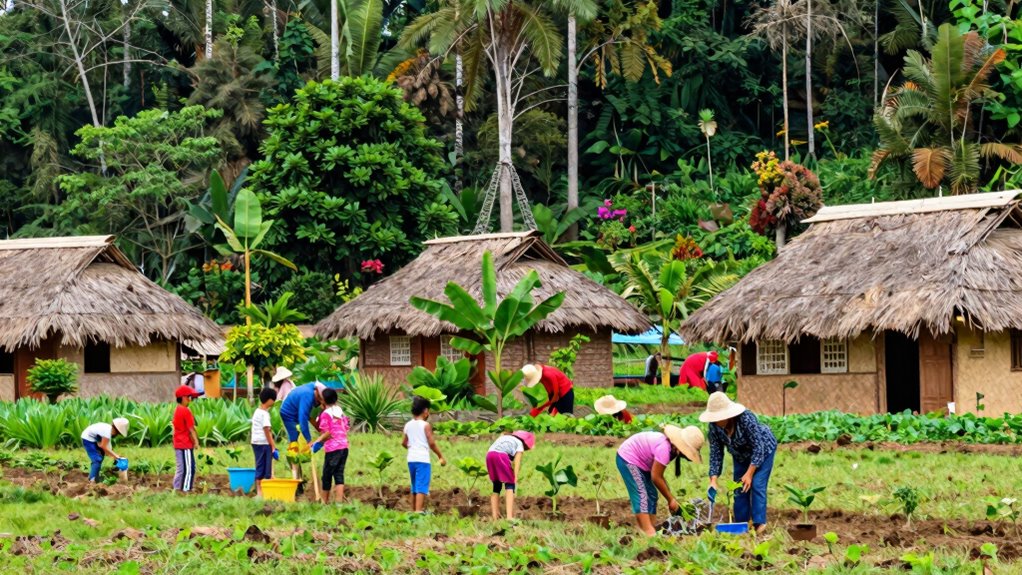

You need to recognize that placing local communities at the heart of conservation planning taps into their firsthand knowledge, cultural connections, and daily experience with natural resources. Your engagement empowers them to take ownership, guarantees management aligns with local needs, and fosters sustainable practices. Active involvement fosters shared responsibility and builds trust, leading to better protection of ecosystems. If you explore further, you’ll discover how collaborative efforts create resilient and effective conservation strategies that truly work for everyone involved.

Prime made for students and young adults
- Fast, free delivery for dorm and study essentials
- Prime Video and Amazon Music included
- Member-only deals
Key Takeaways
- Local communities hold invaluable traditional ecological knowledge essential for effective and sustainable conservation strategies.
- Community involvement ensures conservation efforts are culturally appropriate and socially accepted, increasing long-term success.
- Empowering communities fosters ownership and responsibility, leading to more effective resource management and enforcement.
- Inclusive planning bridges policy with local realities, creating adaptable solutions tailored to specific ecological contexts.
- Engaging communities builds resilience, strengthens cultural heritage, and promotes shared stewardship of natural resources.
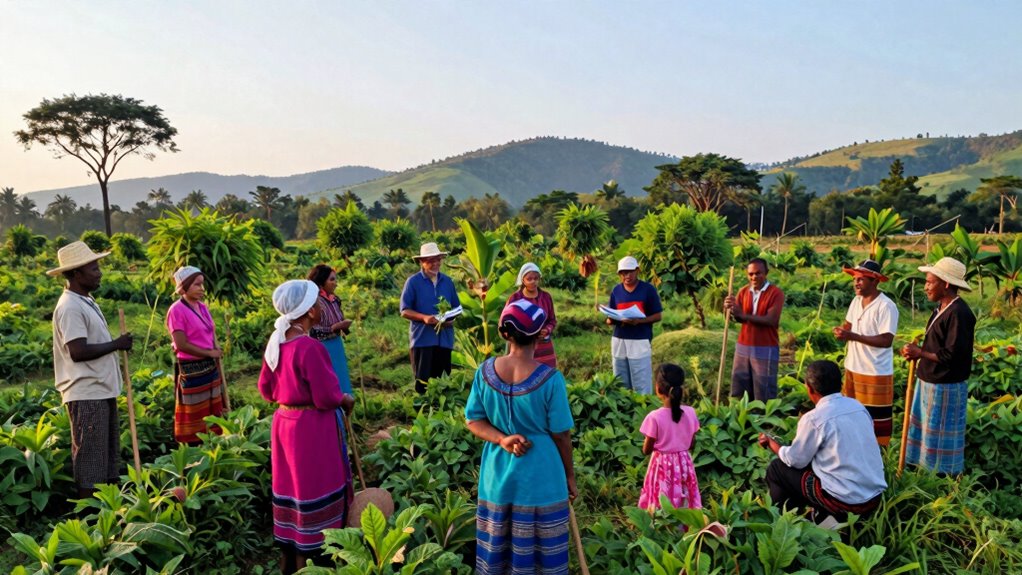
Conservation planning is most effective when it actively involves local communities, recognizing their essential role in protecting natural resources. When you include community members in decision-making, you tap into their firsthand knowledge, cultural connections, and vested interest in safeguarding the environment. This approach isn’t just about consulting; it’s about genuine collaboration that values their insights and respects their rights. Indigenous participation, in particular, plays a pivotal role because indigenous communities often possess centuries of traditional ecological knowledge that’s indispensable for sustainable conservation. Their understanding of local ecosystems, species behaviors, and seasonal changes can guide more effective and culturally appropriate strategies. By engaging indigenous peoples and other local residents, you foster a sense of shared responsibility, which naturally leads to better stewardship of protected areas. Incorporating natural landscapes and considering the specific conditions of local environments can significantly improve the success of conservation initiatives, especially when community engagement is prioritized as a key component. Additionally, understanding the healing time for local ecosystems after disturbances can help tailor management practices for better recovery outcomes.
Empowering communities isn’t a mere formality; it’s the foundation of successful conservation efforts. When you prioritize community empowerment, you give local people the tools, resources, and authority to manage their environment. This empowerment builds confidence and ownership, making them active partners rather than passive recipients of external aid. As a result, conservation initiatives gain local legitimacy, and community members become motivated to protect their surroundings because they see tangible benefits and feel a sense of ownership. This approach also helps to address potential conflicts by guaranteeing that conservation measures align with local needs and values. When communities are empowered, they are more likely to embrace sustainable practices, monitor ecosystems, and participate in enforcement—activities that are critical for long-term success.
Furthermore, involving local communities in conservation planning helps bridge the gap between policy and practice. You can’t rely solely on top-down regulations; instead, you need grassroots support to implement and sustain conservation measures. When community members feel heard and involved, they become advocates for conservation within their circles, spreading awareness and fostering local pride in natural resource management. Additionally, community-based approaches often lead to innovative solutions tailored to specific ecological and social contexts, which external experts may overlook. This participatory process ensures that conservation strategies are not only ecologically sound but also socially equitable, increasing their chances of enduring over time.
In the end, you’ll find that conservation planning centered around local communities, especially through indigenous participation and community empowerment, creates a more resilient and inclusive approach. It transforms conservation from a distant, imposed effort into a shared venture rooted in local realities. This not only enhances ecological outcomes but also strengthens community bonds and preserves cultural heritage, making conservation sustainable and meaningful for everyone involved.
community engagement tools for conservation
As an affiliate, we earn on qualifying purchases.
As an affiliate, we earn on qualifying purchases.
Frequently Asked Questions
How Do Local Communities Benefit Economically From Conservation Efforts?
You benefit economically from conservation efforts through sustainable tourism, which attracts visitors and creates jobs in local communities. Conservation initiatives also encourage livelihood diversification, allowing you to explore new income sources like eco-friendly farming or crafts. These activities boost your income, reduce reliance on harmful practices, and promote long-term economic stability. By participating in conservation, you not only protect your environment but also enhance your community’s economic resilience.
What Are Common Conflicts Between Conservation Goals and Community Needs?
You might face conflicts between conservation goals and community needs when land use restrictions limit your ability to expand farms or develop housing, impacting local economies. Resource access can become an issue if protected areas restrict your access to water, firewood, or grazing land. These tensions often arise because conservation efforts aim to preserve ecosystems, but they can unintentionally restrict your traditional land use practices and resource access, creating friction.
How Can Indigenous Knowledge Enhance Conservation Planning?
Imagine ignoring centuries of traditional practices—what could possibly go wrong? Indigenous knowledge offers invaluable insights into sustainable resource use and ecosystem health, rooted in cultural preservation. By integrating these practices into conservation planning, you tap into a wealth of local wisdom, ensuring solutions are effective and respectful. This approach not only boosts biodiversity but also honors indigenous communities, turning conservation from a top-down mandate into a shared, culturally rich effort.
What Strategies Ensure Equitable Participation of All Community Members?
To guarantee equitable participation, you should prioritize community engagement by involving all members early and transparently. Create inclusive platforms where diverse voices can share their perspectives, and provide equitable access to information, resources, and decision-making processes. Foster trust through respectful dialogue and culturally sensitive approaches. By valuing every community member’s input and addressing barriers, you make certain everyone has a fair chance to contribute to conservation planning.
How Is Success Measured When Integrating Local Communities Into Conservation?
Imagine a thriving landscape where local communities lead conservation efforts, their voices echoing through lush forests and vibrant waters. Success is measured by community empowerment, witnessing residents adopt sustainable practices that protect ecosystems for future generations. When local people actively participate, share knowledge, and feel ownership, conservation goals are met, fostering resilience and harmony. The true measure lies in how well communities sustain these efforts long-term, ensuring lasting environmental and social well-being.
Conclusion
By placing local communities at the heart of conservation planning, you empower those who intimately understand their environment and rely on its resources. This approach fosters shared responsibility, sustainable practices, and long-term success. Can we truly protect our natural world without the active participation of those who live within it? When communities are involved, conservation isn’t just a goal—it’s a shared future built together. Are you ready to put communities at the center of conservation efforts?
Fall Picks
fall essentials
As an affiliate, we earn on qualifying purchases.