
The EU's pivot to clean steel production is a crucial move to ensure its industrial competitiveness and meet climate goals. By investing in technologies like hydrogen-based processes and carbon capture, the EU aims to reduce CO2 emissions significantly. This shift helps maintain resilience in the steel sector while also promoting sustainable practices. As the market for green steel grows, there's more to uncover about the opportunities and challenges ahead for the EU's steel industry.

Prime made for students and young adults
- Fast, free delivery for dorm and study essentials
- Prime Video and Amazon Music included
- Member-only deals
Key Takeaways
- The Clean Steel Partnership aims to decarbonize the EU steel sector by 2050, aligning with the EU's climate goals.
- Technological innovations, such as hydrogen-based processes and carbon capture, target an 80-95% reduction in CO2 emissions in steel production.
- Transitioning to electric arc furnaces and recycling scrap steel promotes lower-emission alternatives and supports a circular economy.
- The initiative emphasizes worker protection and transparency to ensure a smooth transition to greener practices in the steel industry.
- Investing in sustainable steel production enhances the EU's competitiveness against global regions while fostering market opportunities in sectors like automotive.
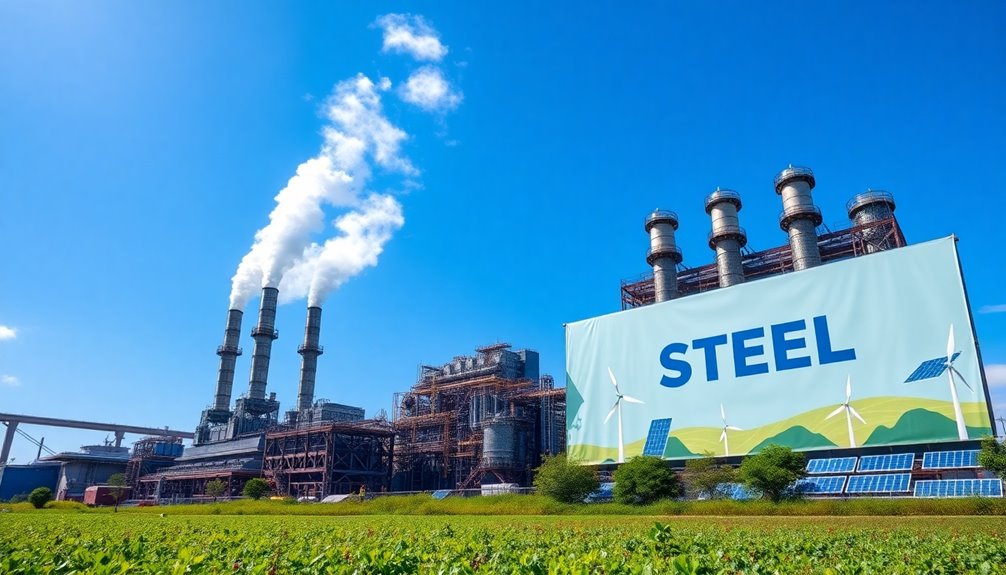
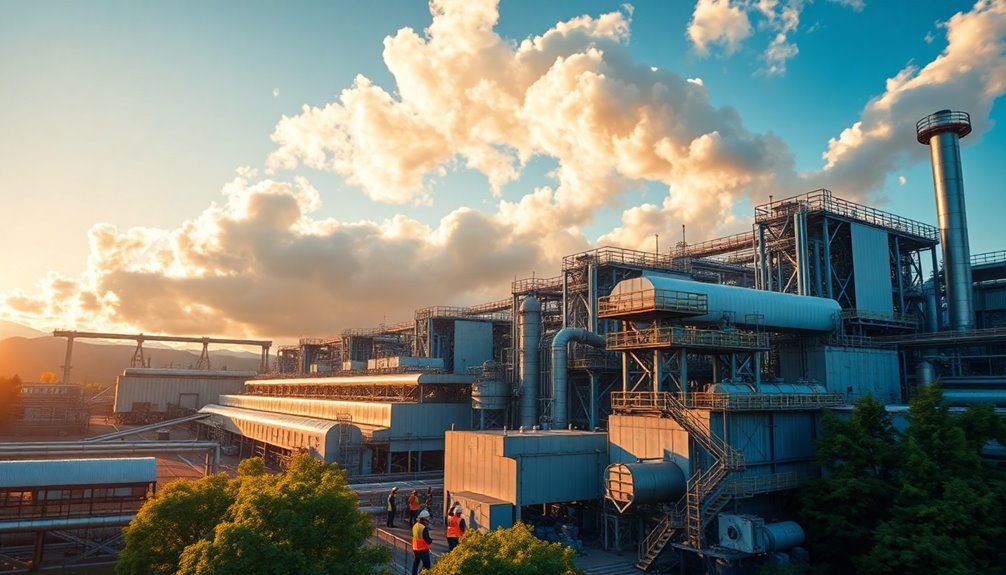
As the EU strives to meet its ambitious climate goals, clean steel production has emerged as a crucial focus for achieving sustainability in the industry. The Clean Steel Partnership (CSP) aims to decarbonize the EU steel sector and transform it into a sustainable industry by 2050. This initiative is co-funded by Horizon Europe and the Research Fund for Coal and Steel, ensuring that private sector investment matches public funding.
The EU's Clean Steel Partnership aims to decarbonize the steel sector and achieve sustainability by 2050.
With a strong emphasis on technological innovation, the CSP seeks to reduce CO2 emissions by 80-95% through methods like hydrogen-based processes and carbon capture technologies. You'll see a notable shift from coal-based steelmaking, which not only boosts the industry's competitiveness but also aligns with the EU's decarbonization strategies. By scaling up renewable hydrogen, the steel sector can significantly cut emissions. In total, there are 171.6 total projects aimed at advancing clean steel initiatives.
Electric arc furnaces, which utilize scrap steel, are gaining traction as a lower-emission alternative. Implementing carbon capture and utilization (CCUS) technologies will play a vital role in managing emissions from production.
It's essential for the EU to promote transparency by insisting on ambitious transformation plans for existing facilities. This transition isn't just about technology; it's also about ensuring social protection for workers adapting to greener practices. Encouraging recycling and reusing materials supports a circular economy, making the steel production process more efficient.
As the EU maintains its leadership in hydrogen-based innovations, you'll find a burgeoning market for sustainable steel, particularly in sectors like automotive. However, the EU faces competitive pressure from regions like China and MENA, so investing in green technologies is crucial for resilience and job security across the industrial value chain.
As an affiliate, we earn on qualifying purchases.
Frequently Asked Questions
What Technologies Are Being Developed for Clean Steel Production?
You'll find several innovative technologies being developed for clean steel production.
Hydrogen-based direct reduction replaces coal with hydrogen, cutting CO2 emissions significantly.
Electrolysis creates high-purity iron using electricity, eliminating direct emissions.
Carbon capture technologies capture and utilize CO2, while advanced recycling techniques enhance resource efficiency.
Additionally, digital twins optimize production processes, ensuring efficiency.
Together, these advancements pave the way for a more sustainable steel industry, reducing environmental impact while meeting demand.
How Much Funding Is Allocated for Clean Steel Initiatives?
Like a river carving its path, funding for clean steel initiatives flows steadily from the EU, totaling €175 million.
This includes €100 million earmarked for groundbreaking steel research, while an additional €35 million supports coal mine repurposing.
You'll also find €40 million available through annual calls starting in June 2025.
This investment is aimed at fostering innovation in clean steel technologies, driving the transition towards environmentally friendly production methods.
What Are the Environmental Benefits of Clean Steel?
Clean steel offers significant environmental benefits.
It dramatically reduces CO₂ emissions by replacing fossil fuel processes with hydrogen and electric technologies.
You'll see a lower carbon footprint thanks to innovations like carbon capture and utilization.
Energy efficiency improves through the use of electric arc furnaces and renewable energy sources.
How Will Clean Steel Impact Job Creation in the EU?
Clean steel's impact on job creation in the EU is significant.
As the industry shifts towards sustainable practices, you'll see job preservation in existing roles while new opportunities arise in green technologies.
Investing in innovation not only protects current jobs but also creates a demand for skilled workers in emerging sectors.
What Are the Challenges in Transitioning to Clean Steel?
Imagine a steel plant trying to shift from fossil fuels to green hydrogen.
You'll face several challenges, like high production costs and the need for new equipment. Quality control becomes tricky without a carbon source, and you might struggle with the logistics of hydrogen transport.
Plus, securing reliable renewable energy is essential, yet it can be intermittent.
Lastly, building market acceptance for clean steel products takes time and effort.
Conclusion
As the EU pivots to clean steel production, it's clear that this shift isn't just about sustainability; it's about securing the region's industrial future. Did you know that steel production accounts for nearly 8% of global CO2 emissions? By investing in greener technologies, the EU aims to cut these emissions significantly. Embracing clean steel not only helps the environment but also strengthens the economy, positioning Europe as a leader in the green transition.
Fall Picks
fall essentials
As an affiliate, we earn on qualifying purchases.