
The recent North Sea tanker incident is igniting a multimillion-dollar blame battle. The Stena Immaculate, carrying 35 million litres of jet fuel, collided, raising serious environmental concerns for marine ecosystems. Legal battles are on the horizon, with affected parties seeking compensation and accountability from shipping companies. This incident highlights the urgent need for better safety protocols in the maritime industry. Curious about how this may reshape industry practices and regulations? There's more to uncover.

Prime made for students and young adults
- Fast, free delivery for dorm and study essentials
- Prime Video and Amazon Music included
- Member-only deals
Key Takeaways
- The collision of the Stena Immaculate tanker has triggered extensive legal disputes over liability and compensation for affected parties.
- Shipping companies involved are facing potential lawsuits due to the environmental and economic impacts of the incident.
- Affected stakeholders are expected to pursue justice, leading to costly legal battles with significant financial implications.
- The maritime industry may undergo increased scrutiny and regulatory changes in response to the incident's fallout.
- Long-term litigation could reshape public perception and practices regarding maritime safety and environmental protection.
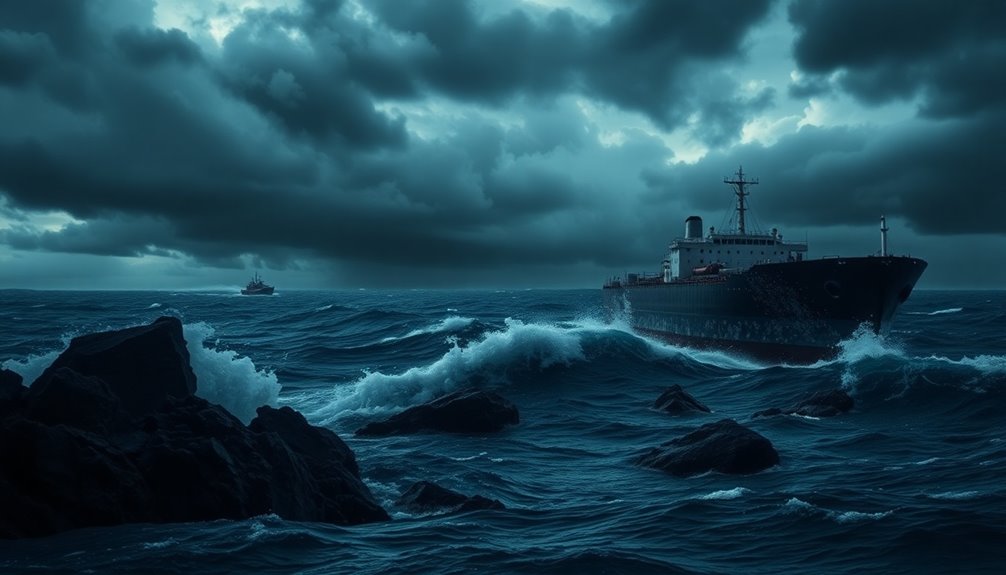
As the Maritime Accident Investigation Branch begins its inquiry, the focus shifts to determining the exact cause of the collision. Initial assessments indicate no immediate threats to public health, yet the potential environmental disaster looms large. The North Sea's delicate marine ecosystems, including protected species like the harbor porpoise, face an uncertain future due to the risk of toxic jet fuel spills. The collision involved the oil tanker Stena Immaculate, which was carrying 35 million litres of US military jet fuel, amplifying the environmental concerns. The aftermath of this collision will likely lead to costly legal battles, as affected parties seek justice and compensation. With 36 crew members evacuated safely, the incident highlights the critical role of emergency response teams and the importance of maintaining stringent safety standards. As investigations unfold, the maritime industry must confront the implications of this incident, ensuring such tragedies never happen again. The stakes are high, and the repercussions of this collision will resonate throughout the shipping community for years to come.
As an affiliate, we earn on qualifying purchases.
Frequently Asked Questions
What Were the Environmental Impacts of the North Sea Tanker Incident?
The environmental impacts of the tanker incident are significant.
You'll notice immediate harm to seabirds, marine animals, and essential microbial organisms in the food chain. The spill can disrupt zooplankton populations, potentially leading to harmful algal blooms.
Long-term risks include damage to marine biodiversity, especially in protected areas. With the breeding season approaching, the vulnerability of affected species increases.
Monitoring is crucial to gauge the full extent of this ecological disaster.
How Did the Incident Affect Shipping Regulations in the North Sea?
Shipping safety standards saw significant shifts post-incident.
You'll notice stricter scrutiny surrounding vessel movements and enhanced enforcement of existing regulations. Authorities implemented more rigorous training for crew members, focusing on emergency response and navigation.
Moreover, they established expanded exclusion zones around sensitive marine areas to prevent future mishaps.
These changes aim to bolster maritime safety and protect the pristine environment, ensuring that such dangerous incidents don't happen again in the North Sea.
Were There Any Casualties Resulting From the North Sea Tanker Incident?
Yes, there were casualties from the North Sea tanker incident. A total of 32 people were brought ashore after the collision, while one crew member from the MV Solong remains missing, and authorities assume they're deceased.
Rescue operations involved multiple lifeboats and coast guard units, but little information is available about the condition of the injured, apart from one person who was hospitalized.
The situation highlights the severe impact of maritime accidents.
What Companies Are Involved in the Blame Battle?
You know how sometimes two cars collide at a busy intersection, and everyone starts pointing fingers?
In this case, Stena Bulk and Ernst Russ are the main players in the blame battle. Stena Bulk operates the MV Stena Immaculate, while Ernst Russ owns the MV Solong.
Crowley, the management company for Stena Immaculate, also finds itself in the mix.
Meanwhile, the U.K. Government may step in for cleanup costs, complicating things further.
How Long Is the Legal Process Expected to Take?
The legal process is expected to take considerable time, likely extending over months or even years.
You'll see multiple investigations unfold, and factors like international jurisdiction and ecological impacts will complicate the timeline.
The involvement of various authorities and potential criminal charges can further delay resolutions.
As you follow the case, remember that the complexity of maritime law and the recovery of critical evidence will significantly influence how long it lasts.
Conclusion
As the waves of blame crash against the shores of accountability, the North Sea tanker incident leaves a trail of financial wreckage in its wake. With each passing tide, companies scramble like shipwrecked sailors, desperate to salvage their reputations and fortunes. In this maritime tempest, the true cost remains hidden beneath the surface, a lurking leviathan ready to strike. Only time will reveal who emerges unscathed from this storm, and who will drown in the depths of blame.
Halloween Picks
halloween
As an affiliate, we earn on qualifying purchases.