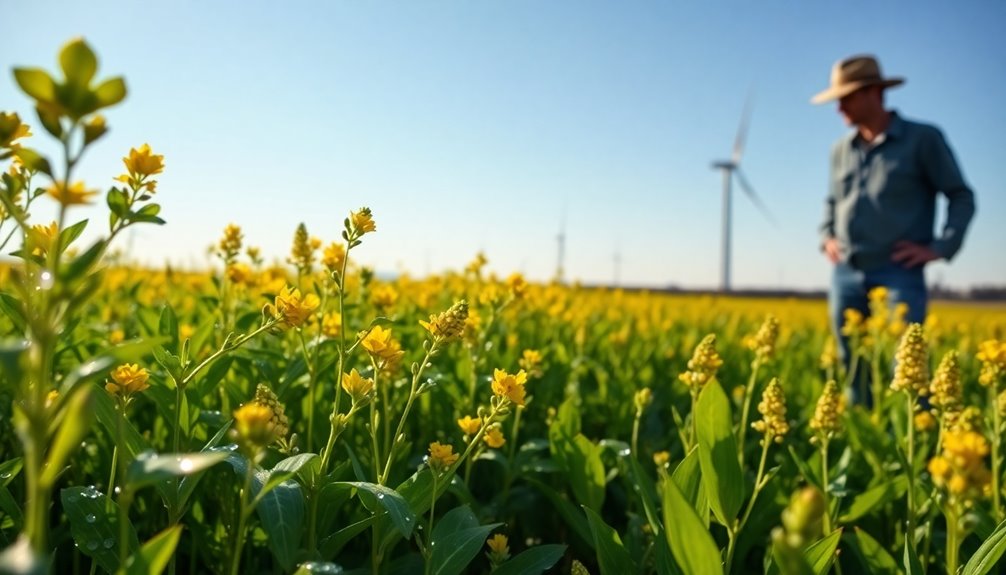

Winter oilseeds like pennycress, camelina, and carinata are key to optimizing nationwide aviation fuel sourcing. They significantly cut greenhouse gas emissions and boost farmer income through diversified crops. Ideal for regions like the Southeast U.S., carinata can yield high oil outputs while benefiting soil health and biodiversity. However, effective policies and infrastructure are crucial for success. If you're curious about how these factors interplay and shape the future of sustainable aviation fuel, there's much more to explore.

Prime made for students and young adults
- Fast, free delivery for dorm and study essentials
- Prime Video and Amazon Music included
- Member-only deals
Key Takeaways
- Winter oilseeds like pennycress, camelina, and carinata significantly reduce greenhouse gas emissions, enhancing the sustainability of aviation fuels.
- Carinata thrives in the Southeast U.S., making it a prime candidate for scaling up oilseed production to meet SAF targets.
- Efficient supply chains and infrastructure are needed to support large-scale cultivation and processing of winter oilseeds for aviation fuel.
- Strong policy support is vital for ensuring economic viability and encouraging farmers to invest in winter oilseed production.
- Integrating winter oilseeds into existing agricultural practices boosts biodiversity, improves soil health, and aligns with sustainable aviation fuel goals.
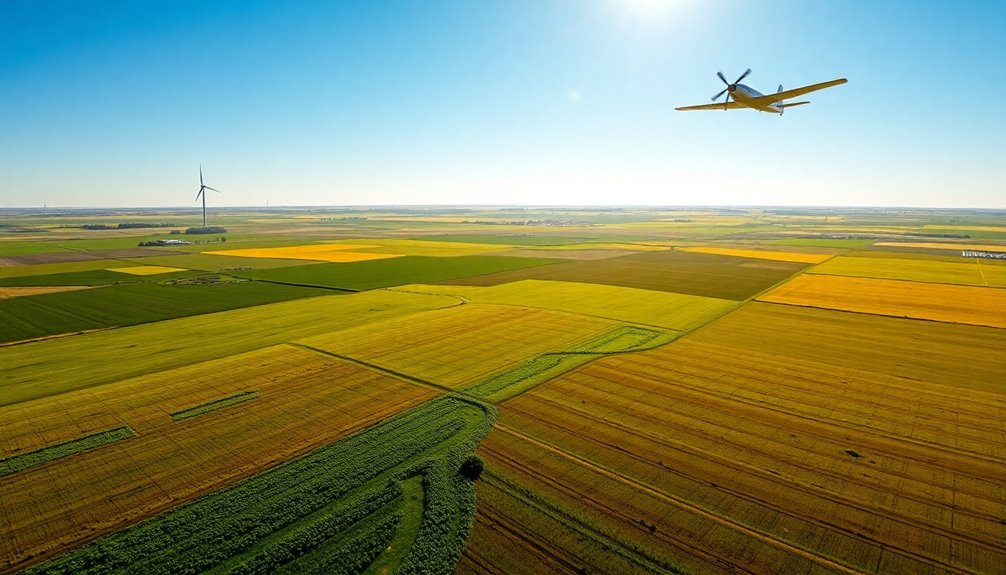
As the demand for sustainable aviation fuel (SAF) grows, winter oilseeds like pennycress, camelina, and carinata are stepping into the spotlight. These crops offer significant greenhouse gas emissions reductions compared to fossil fuels, making them prime candidates for SAF production. By integrating these oilseeds into farming practices, you not only contribute to a greener future but also help farmers diversify their income through oil and meal production. Additionally, utilizing renewable energy sources for processing and transportation can further enhance the sustainability of SAF production.
Plus, these crops support biodiversity and act as resilient winter cover crops, enhancing soil health. The Southeast U.S., particularly states like Georgia, Florida, and Alabama, proves to be ideal for carinata production. You'll find opportunities for scaling up production to meet U.S. SAF targets, all while growing these oilseeds alongside major crops like soybeans. However, this promising venture requires enhanced infrastructure and efficient supply chains to fully realize its potential. Good and mature policy support is essential for the economic viability of these sustainable crops, ensuring that farmers can confidently invest in their production.
Implementing these systems can help reduce soil erosion and support water quality, further benefiting the agricultural landscape. The life cycle greenhouse gas emissions from SAF derived from these winter oilseeds are impressive. Carinata, camelina, and pennycress can reduce GHG emissions by 50.4%, 65.2%, and 65.7%, respectively. With carinata seeds packing around 40% oil by weight, you can expect substantial yields—about 108 gallons of oil per acre—along with high-protein cattle feed as a byproduct.
These advantages are vital as the U.S. aims to produce 35 billion gallons of SAF by 2050. Yet, challenges remain. Insufficient policy support for non-food oilseed feedstocks hinders large-scale adoption, leaving farmers vulnerable to market uncertainties. By advocating for increased public awareness and aligning with other bioenergy solutions, you can help push for the supportive policies needed to unlock the full potential of winter oilseeds in sustainable aviation fuel production.
As an affiliate, we earn on qualifying purchases.
Frequently Asked Questions
What Are the Environmental Benefits of Using Winter Oilseeds for Aviation Fuels?
Using winter oilseeds for aviation fuels offers you significant environmental benefits.
These crops can reduce greenhouse gas emissions by over 50%, helping combat climate change. They also improve soil health and increase soil organic carbon, contributing to carbon sequestration.
By rotating these oilseeds with other crops, you can enhance land use efficiency, minimizing the need for additional land.
Plus, the co-products serve as livestock feed, promoting a more sustainable agricultural economy.
How Do Winter Oilseed Crops Affect Local Economies?
Winter oilseed crops significantly boost local economies by creating jobs in agriculture, processing, and transportation.
When you grow these crops, you increase local purchases of supplies, enhancing community income.
The construction of processing facilities also develops infrastructure, leading to greater economic stability in rural areas.
Plus, the sale of these crops generates additional income streams for farmers, fostering a more resilient and diversified local economy.
What Are the Key Challenges in Sourcing These Oilseeds?
Sourcing winter oilseeds feels like navigating a maze, filled with twists and turns.
You'll face limited processing facilities and transportation hurdles, making it tricky to connect farms with biorefineries.
Scaling production is another beast, balancing costs while avoiding competition with food crops.
Plus, you'll need to ensure market demand and efficient supply chains to keep the wheels turning.
It's a complex puzzle, but tackling these challenges can lead to sustainable success.
Are There Any Government Incentives for Growing Winter Oilseeds?
Yes, there are several government incentives for growing winter oilseeds.
You can benefit from crop insurance eligibility, which encourages adoption. Additionally, conservation programs may help offset costs.
The new 45Z tax incentive program offers financial rewards for cultivating these crops.
You might also secure state grants aimed at developing supply chains for winter oilseeds.
Lastly, research funding is available to support advancements in cultivation and management practices.
How Do These Oilseeds Compare to Traditional Aviation Fuel Sources?
When you compare oilseeds like pennycress, camelina, and carinata to traditional aviation fuel sources, you'll find significant advantages.
These oilseeds are renewable and can reduce greenhouse gas emissions, making them environmentally friendly. They can be grown efficiently without displacing food crops and provide valuable byproducts like animal feed.
While initial production costs are higher, integrating meal credits can make them more cost-effective over time, offering a sustainable alternative to finite petroleum resources.
Conclusion
In conclusion, optimizing winter oilseed sourcing for aviation fuels isn't just about enhancing sustainability; it's about embracing innovation, supporting local economies, and reducing carbon footprints. By focusing on pennycress, camelina, and carinata, you're not only diversifying fuel options but also paving the way for a greener future. Together, we can transform the aviation industry, create new opportunities, and drive positive change. Let's take these steps forward and soar toward a more sustainable tomorrow!
Halloween Picks
halloween
As an affiliate, we earn on qualifying purchases.