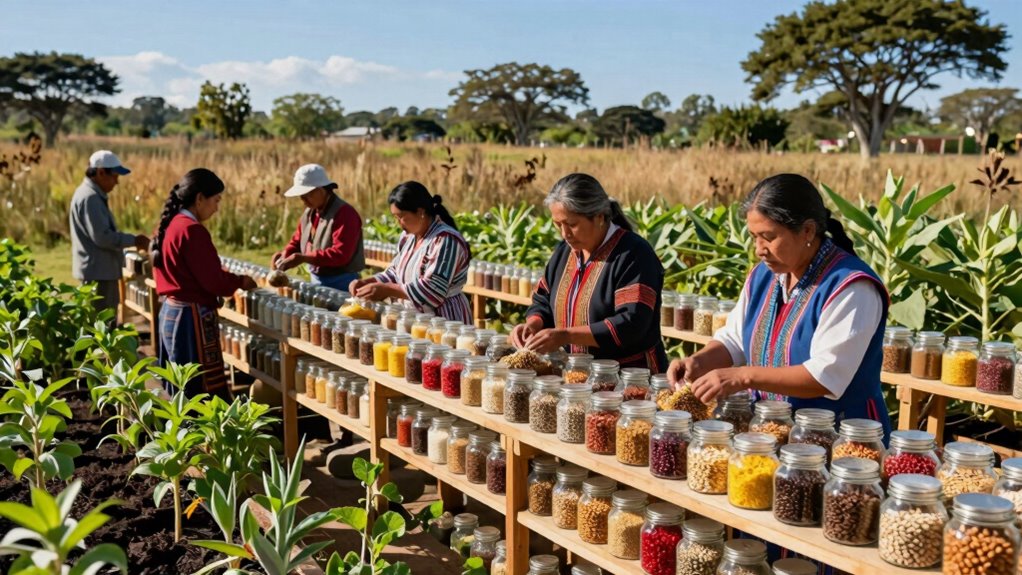

Native seed banks support restoration projects by providing locally adapted seeds that increase plant survival and growth. They gather seeds from diverse regional populations to boost genetic diversity, helping ecosystems recover more effectively. These seed banks also serve as a genetic reserve, protecting plants against pests, diseases, and climate change. By ensuring the availability of resilient native seeds, they promote long-term ecosystem health. Keep exploring to see how these efforts can make your restoration projects more successful.
Key Takeaways
- Provide locally adapted seeds to improve the success rate of ecosystem restoration.
- Preserve genetic diversity to enhance resilience against pests, diseases, and climate change.
- Collect seeds from multiple regional populations to prevent genetic bottlenecks.
- Support the conservation of native plant varieties threatened by habitat loss.
- Offer a genetic resource pool that ensures long-term ecosystem stability and recovery.
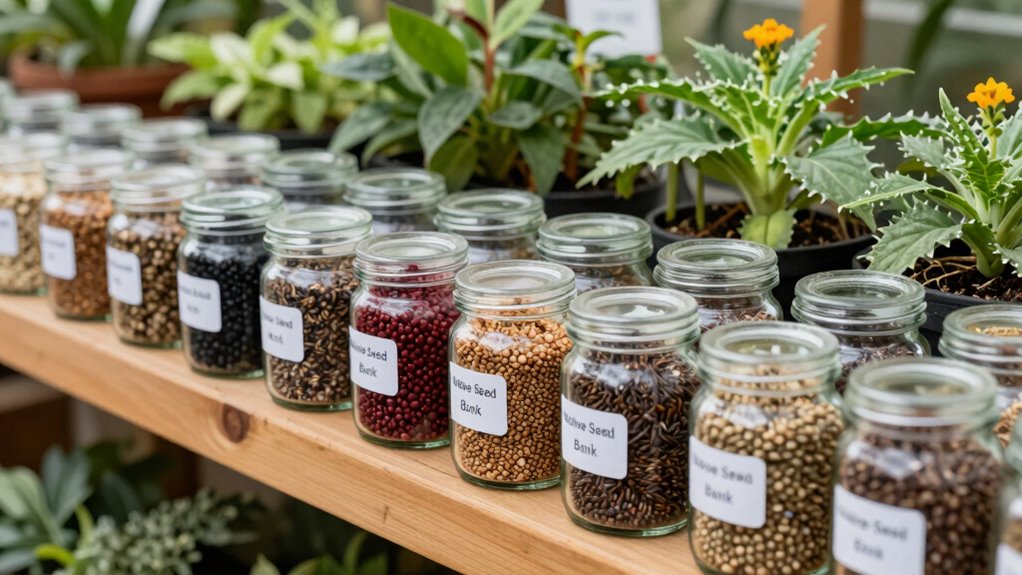
Native seed banks play an essential role in restoration projects by providing locally adapted seeds that help restore ecosystems more effectively. When you’re involved in restoring a degraded landscape, seed collection from native sources becomes pivotal. These seed banks gather seeds from diverse populations within a specific region, guaranteeing that the genetic makeup of the plants is suited to the local environment. This local adaptation increases the chances of survival and growth once the seeds are planted, making your restoration efforts more successful.
Native seed banks provide locally adapted seeds that boost restoration success and ecosystem resilience.
By storing and managing a wide variety of native seeds, seed banks help preserve genetic diversity, which is fundamental for healthy, resilient ecosystems. You might not realize it, but genetic diversity acts as a buffer against pests, diseases, and changing climate conditions. When you source seeds from these banks, you’re working with a pool of genetic resources that have evolved naturally to withstand local stresses. This diversity ensures that the plants you reintroduce can adapt over time, maintaining ecosystem stability and function.
Restoration projects often face the challenge of sourcing seeds that are both locally adapted and genetically diverse. Native seed banks address this by collecting seeds from different populations within the region, capturing a broad spectrum of genetic traits. This approach prevents genetic bottlenecking, which can occur if only a limited number of seed sources are used. You’ll find that using seeds from a genetically diverse pool increases the resilience of your planting efforts, enabling the restored ecosystem to better withstand environmental fluctuations.
Moreover, seed collection from native sources supports the preservation of local plant varieties and their unique genetic traits. When you obtain seeds from a seed bank, you’re helping conserve plant populations that might otherwise diminish or disappear due to habitat loss and climate change. This conservation effort ensures that future generations have access to a rich genetic library for restoration and adaptation. Genetic diversity acts as a key factor in the long-term success of ecological restoration projects.
In essence, native seed banks empower you to undertake restoration projects with confidence, knowing that the seeds you use are suited to the local conditions and carry the genetic diversity necessary for long-term resilience. By prioritizing seed collection that emphasizes local adaptation and genetic variability, you’re investing in healthy, sustainable ecosystems. This approach not only boosts your project’s success rate but also contributes to the broader goal of conserving native plant populations and the ecological processes they support.
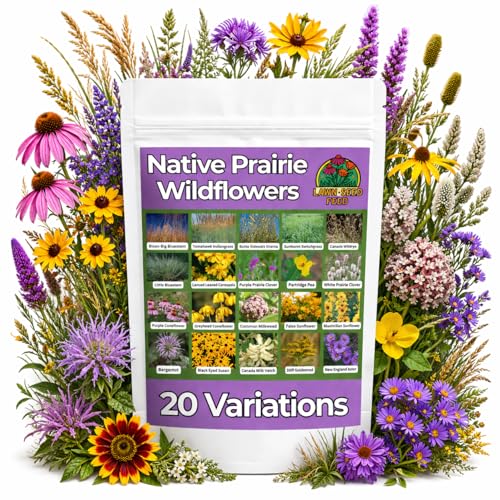
Native Prairie Mix (2oz) Restores Your Landscape with Authentic Prairie Blooms. Tough, Low-Maintenance, and pollinator-Friendly—Plant Once and Enjoy Natural Color All Season!
- Resealable pouch for freshness: Protects seeds from moisture and light
- Vibrant wildflower mix: Continuous blooms from spring to fall
- Diverse colors and shapes: Unique flowers for a lush landscape
As an affiliate, we earn on qualifying purchases.
As an affiliate, we earn on qualifying purchases.
Frequently Asked Questions
How Do Native Seed Banks Ensure Seed Viability Over Time?
You can guarantee seed viability over time by controlling seed dormancy and optimizing storage conditions. Native seed banks manage seed dormancy through treatments that break or maintain it, ensuring seeds can germinate when needed. They also maximize storage longevity by keeping seeds in cool, dry, and dark environments, which slows aging and preserves viability. Regular testing and proper packaging further help maintain seed health for future restoration efforts.
What Are the Legal Regulations Surrounding Seed Collection and Distribution?
You need to navigate nuanced legal regulations surrounding seed collection and distribution, including rules on seed patenting and international treaties. Regulations vary widely, with some countries strictly controlling seed exports, while others encourage sharing through treaties like the International Treaty on Plant Genetic Resources. Always adhere to local laws, respect intellectual property rights, and understand treaty obligations to prevent legal problems and promote responsible seed stewardship globally.
How Do Seed Banks Prioritize Species for Collection and Storage?
You prioritize species for collection and storage by focusing on maintaining genetic diversity, ensuring a resilient seed bank. You set collection criteria that include ecological significance, rarity, and vulnerability, aiming to capture a broad genetic pool. You also consider the habitat’s health and threats, selecting species that support ecosystem stability. This strategic approach helps seed banks support restoration efforts effectively, fostering resilient, diverse plant populations for future ecological recovery.
Can Native Seed Banks Support Urban Restoration Projects?
Yes, native seed banks can support urban restoration projects by providing native seeds for urban green spaces. You can use these seeds to reestablish local plant communities, improve biodiversity, and enhance ecosystem resilience. Community engagement is essential; involving local residents in planting and maintenance fosters stewardship and awareness. These efforts help create healthier, more sustainable urban environments, ensuring that green spaces thrive and benefit both people and native wildlife.
How Do Climate Change Impacts Influence Seed Bank Strategies?
They say, “adapt or perish,” and climate change pushes native seed banks to get creative. You’ll find they prioritize preserving genetic diversity and develop adaptive strategies to guarantee seeds can withstand shifting conditions. By collecting a broad range of genetic traits, seed banks prepare for unpredictable weather, helping ecosystems bounce back. This proactive approach makes sure native plants have the resilience needed to survive climate change’s ongoing impacts.
Conclusion
Native seed banks are the silent custodians of Earth’s botanical future, serving as reservoirs of resilience in a rapidly changing world. By safeguarding genetic diversity, they become the seeds of hope, nurturing restoration projects that breathe life back into degraded landscapes. Like skilled artisans, they weave threads of native species into the tapestry of ecosystems, ensuring that nature’s symphony continues to play. Embrace these guardians, for they hold the key to healing our planet’s wounded heart.