

National parks endeavor to balance protecting ecosystems with welcoming visitors. They limit the number of tourists, use reservation systems, and promote eco-friendly behaviors to reduce environmental impact. However, funding shortages and staffing cuts challenge their ability to maintain trails, habitats, and wildlife. While preservation is essential, parks also aim to provide memorable experiences for millions of visitors. To understand how parks manage this delicate balance, keep exploring the strategies that guarantee both nature and people thrive.
Key Takeaways
- National parks aim to balance ecological preservation with providing accessible recreational opportunities for visitors.
- Management strategies include visitor limits, education, and infrastructure to minimize environmental impacts while supporting tourism.
- Funding and resources are critical for maintaining natural habitats and supporting sustainable recreation initiatives.
- Parks prioritize conservation efforts like protecting biodiversity and ecosystems, even as visitor numbers grow.
- Effective park management seeks to ensure both the protection of nature and the enjoyment of future generations of visitors.

PREMIUM QUALITY Stainless Steel travel utensils Set with case, Healthy & Eco-Friendly 3pc Full Size Fork, Spoon, Portable, reusable utensils with case
✔️ PREMIUM-QUALITY STAINLESS-STEEL – Each of our portable utensils in this set has been made with premium-grade 304…
As an affiliate, we earn on qualifying purchases.
As an affiliate, we earn on qualifying purchases.
The Growing Number of Visitors and Its Impact
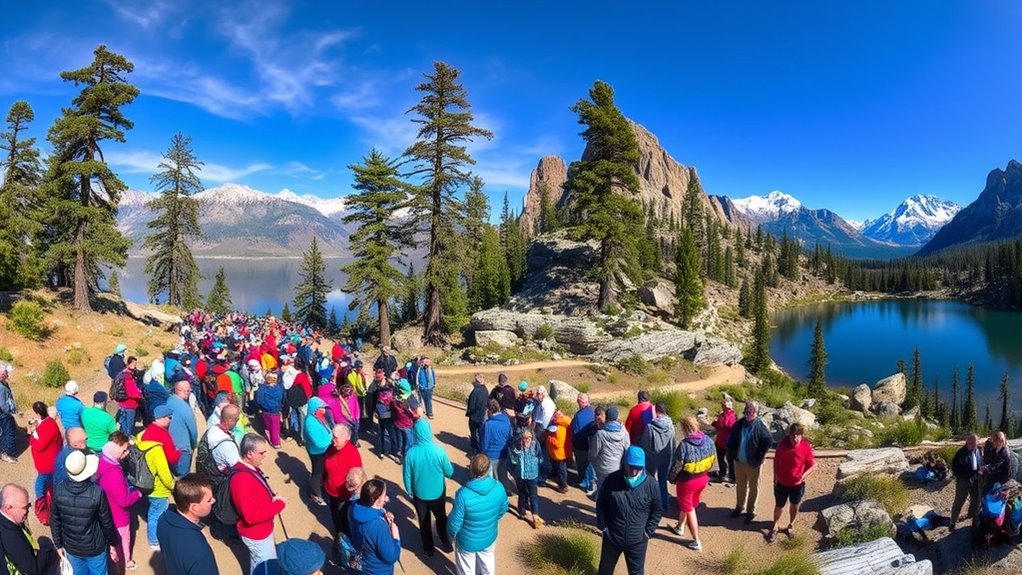
As visitor numbers to national parks continue to grow, the impact on these protected areas becomes more pronounced. You’ll notice increased trail erosion, wildlife disturbances, and crowded facilities as more people flock to popular sites. Parks are struggling to keep up with the rising demand, leading to infrastructure stress and habitat degradation. Good lighting combined with increased foot traffic can sometimes cause disturbances to nocturnal wildlife. Peak months like June and July see the highest visitation, but even in slower seasons, over half the parks experience above-average crowds. This surge in visitors puts pressure on park resources, forcing management to implement measures like reservation systems and visitor limits. While increased access promotes awareness and appreciation, it also challenges the parks’ ability to conserve ecosystems and maintain the natural beauty that draws visitors in the first place. Additionally, the rise in visitor capacity can sometimes lead to increased environmental footprints if not carefully managed. To address these challenges, parks are increasingly adopting digital literacy initiatives to educate visitors about responsible recreation and conservation efforts. Implementing visitor management strategies based on reliable data can help balance access with preservation goals.

Hiking Rocky Mountain National Park: The Essential Guide
As an affiliate, we earn on qualifying purchases.
As an affiliate, we earn on qualifying purchases.
Economic Benefits of National Park Tourism
National park tourism delivers significant economic benefits that extend well beyond the parks themselves. When you visit, your spending helps fuel local economies, supporting thousands of jobs in hospitality, retail, and service industries. In 2022, visitors spent nearly $24 billion in gateway regions, with $9 billion directly supporting lodging. This influx of money sustains small businesses, creates employment, and boosts tax revenues for communities near parks. Parks also generate broader economic activity; in 2021, local recreation agencies supported over a million jobs and contributed hundreds of billions to the national economy. These benefits provide a compelling reason to invest in park infrastructure and maintenance, ensuring communities thrive while offering you memorable outdoor experiences. Your visits are essential for economic growth and local prosperity, which depends on well-maintained parks and visitor facilities. Proper site maintenance ensures that parks remain accessible and attractive for future visitors, especially considering the reliance on cloud services that support many operational aspects of park management and visitor experience. Additionally, leveraging predictive analytics can help optimize resource allocation and improve visitor services. Recognizing the importance of quality ingredients and formulations can also enhance visitor satisfaction and promote sustainable tourism practices.

NIKON PROSTAFF P7 8x42mm Binoculars – High-Magnification Wide FOV Waterproof Fogproof Binocular with Multilayer-Coated Clear Lens, Locking Diopter – Wildlife Nature Observation Optic (16772)
FULL-SIZE BRIGHTNESS, WIDE HIGH-DEFINITION VIEW – Power through low light situations with PROSTAFF P7 8x42mm binoculars, featuring full-size…
As an affiliate, we earn on qualifying purchases.
As an affiliate, we earn on qualifying purchases.
The Role of Parks in Protecting Biodiversity

Have you ever wondered how parks serve as indispensable sanctuaries for biodiversity? They protect around 15% of the world’s land surface and 7% of marine areas, supporting approximately 400,000 plant and animal species. Parks maintain water quality, prevent soil erosion, and help regulate climate, all fundamental for healthy ecosystems. They serve as refuges for endangered species and preserve critical habitats threatened elsewhere. Scientific research and environmental monitoring conducted within parks inform global conservation strategies. By safeguarding ecosystems, parks support complex food webs and ecological processes essential for biodiversity. Their protection efforts also help mitigate climate change impacts, ensuring that these natural areas continue to host diverse life forms for future generations. Essentially, parks are indispensable bulwarks against biodiversity loss. Additionally, the strategic location selection of parks is vital to maximize their conservation potential and ecological connectivity. Moreover, the integration of scientific research within park management enhances their effectiveness in preserving biodiversity and adapting to environmental challenges.

Sierra Dawn Outdoor Soap – Premium Biodegradable Camping & Backpacking Essential – All-Purpose Natural Soap for Dishes, Clothes & Personal Care – Trusted by Outdoor Enthusiasts, 8 Ounce
Trusted Outdoor Brand: Proven performance for over 50 years as the original all-purpose outdoor cleaner. Perfect for campers,…
As an affiliate, we earn on qualifying purchases.
As an affiliate, we earn on qualifying purchases.
Challenges of Staffing and Funding Shortages

Staffing and funding shortages pose significant challenges to the sustainability of parks, threatening both conservation efforts and visitor services. Since early 2024, about 13% of NPS staff have left due to buyouts, retirements, and resignations, reducing staffing levels by 20% since 2010. Budget proposals, like the Trump administration’s 2026 plan, could slash funding by over a third, limiting resources for maintenance, emergency responses, and ecological monitoring. These cuts hinder efforts to protect ecosystems, maintain infrastructure, and provide quality visitor experiences. With fewer staff, parks struggle to manage growing visitation, respond to emergencies, and conduct essential conservation work. This ongoing resource squeeze risks long-term damage to park landscapes, wildlife, and the visitor experience you value. Additionally, limited availability of diverse and creative planters may impact the ability to promote sustainable and eco-friendly practices within park facilities. Moreover, the decline in staffing and funding can also affect public engagement initiatives, reducing opportunities for education and community involvement. Implementing effective remote collaboration strategies among staff and stakeholders could help optimize resource use and maintain essential services even with limited personnel. Furthermore, shortages in funding and staffing threaten the long-term resilience of these protected areas, emphasizing the need for sustainable solutions.
Managing Crowds and Overcapacity Issues

As visitor numbers continue to grow, managing crowds and preventing overcapacity have become urgent challenges for park managers. High foot traffic leads to trail erosion, wildlife disturbances, and strained infrastructure. To address this, many parks now implement reservation systems for popular sites or entry, especially during peak months. Shuttle services reduce vehicle congestion, while timed entry tickets help control visitor flow. Education campaigns inform visitors about responsible behavior, minimizing ecological impacts. Some parks set capacity limits on crowded areas or restrict access during busy periods. These measures aim to balance visitor enjoyment with resource protection. However, managing crowds remains a complex task that requires ongoing adjustments, sufficient funding, and collaboration between authorities and the public to ensure parks can sustain both their natural integrity and visitor experience.
Strategies for Balancing Conservation and Recreation

To balance conservation and recreation, you can start by implementing visitor limits to reduce environmental impact. Promoting eco-friendly tourism encourages responsible behavior and minimizes harm to natural resources. Additionally, enhancing educational programs helps visitors understand the importance of preservation while enjoying these spaces. Incorporating visitor engagement strategies ensures that visitor data is protected during these initiatives. Moreover, utilizing technology like precious metals investment platforms can help monitor and manage visitor flow effectively, ensuring that natural habitats are preserved while providing enjoyable experiences for tourists. Developing regional legal resources can also support enforcement of conservation policies and ensure compliance with environmental regulations. Implementing real-time visitor monitoring systems allows park managers to respond swiftly to overuse or environmental threats.
Implementing Visitor Limits
Implementing visitor limits is vital for maintaining the balance between public enjoyment and protecting natural resources. By restricting the number of visitors, you help reduce trail erosion, habitat disturbance, and infrastructure strain. Many parks use reservation systems or timed entry to control crowds during peak months, ensuring visitors can enjoy sites without overwhelming ecosystems. Shuttle systems are also effective, decreasing vehicle traffic and emissions. Educating visitors on responsible recreation encourages sustainable behavior and minimizes ecological impact. Setting caps on daily or seasonal visits allows parks to preserve biodiversity and maintain the integrity of ecosystems while still offering access. These strategies require careful planning and ongoing monitoring but are indispensable for long-term conservation and ensuring future generations can enjoy these natural treasures.
Promoting Eco-friendly Tourism
Promoting eco-friendly tourism is essential for balancing the enjoyment of natural wonders with the need to conserve them. You can help by choosing sustainable travel options, such as carpooling, using public transportation, or walking. Respect park rules and stay on designated trails to prevent habitat damage. Support local businesses that prioritize environmental responsibility. Participate in eco-conscious activities like guided tours focused on conservation and wildlife. Educate yourself about the ecosystems you’re visiting to minimize your impact. Sharing your experiences responsibly on social media encourages others to adopt sustainable practices. Park authorities are increasingly implementing measures like shuttle systems and timed entries to reduce overcrowding. Your conscious choices help protect parks’ ecosystems while allowing everyone to enjoy their beauty for generations to come. Additionally, understanding noise levels of modern heat pumps can help in selecting environmentally friendly and quieter systems that reduce noise pollution in nearby communities. Being aware of modern heat pump noise levels can also guide you in choosing systems that operate more quietly, contributing to a more peaceful environment around parks and residential areas. Incorporating eco-friendly infrastructure in park facilities can significantly enhance conservation efforts and visitor experience. Implementing these environmentally conscious practices supports the long-term preservation of natural areas and enhances the eco-tourism experience for all visitors. Moreover, adopting sustainable energy solutions like solar-powered amenities can further reduce the environmental footprint of park facilities.
Enhancing Educational Programs
Enhancing educational programs is a vital strategy for balancing conservation efforts with recreational access. By increasing awareness, visitors learn how their actions impact ecosystems and species. Well-designed programs can promote responsible recreation, encouraging visitors to stick to trails and avoid disturbing wildlife. Interactive exhibits, guided tours, and digital apps help communicate complex conservation issues engagingly. Consider this table of effective educational tools:
| Tool | Benefit |
|---|---|
| Guided Tours | Personalizes conservation messages |
| Interactive Exhibits | Engages visitors actively in learning |
| Digital Apps | Offers real-time info and eco-tips |
| Educational Signage | Reinforces responsible behaviors |
The Effect of Budget Cuts on Park Resources
Budget cuts have a direct and damaging impact on park resources, often leading to reduced maintenance, delayed repairs, and diminished staffing. When funding shrinks, essential tasks like trail upkeep, infrastructure repairs, and habitat protection take a hit. Diminished staff levels mean fewer rangers to monitor wildlife, enforce rules, or respond to emergencies. As a result, parks become more vulnerable to environmental degradation, vandalism, and safety issues. Reduced resources also mean less investment in visitor facilities, which can lead to overcrowding and increased wear on trails and ecosystems. These cuts threaten the long-term health of parks by undermining conservation efforts and diminishing the quality of visitor experiences. Without adequate funding, parks struggle to balance preservation with recreation, risking their future as protected landscapes.
Innovative Visitor Management Approaches
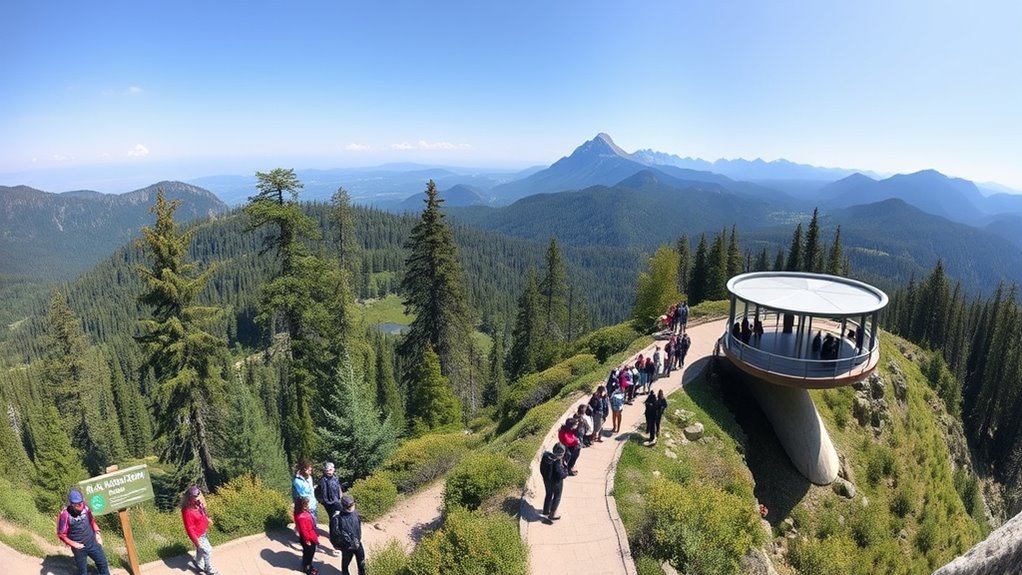
As visitor numbers continue to rise, parks are adopting innovative management strategies to address overcrowding and protect resources. You might encounter systems designed to spread visitors more evenly and reduce environmental impacts. These include timed entry reservations, which control daily access; shuttle services that minimize vehicle congestion; digital tools providing real-time crowd data; and educational campaigns encouraging responsible behavior. Such approaches aim to preserve park ecosystems while maintaining visitor experiences. Parks are also exploring flexible access policies, like seasonal or permit-based entry, to manage peak periods. Implementing these methods requires coordination, investment, and ongoing monitoring but ultimately helps balance recreation with conservation. These strategies ensure parks remain accessible and pristine for future generations, even as demand continues to grow.
Ensuring Sustainability for Future Generations

You play a key role in ensuring national parks remain vibrant for future generations by supporting sustainable tourism and responsible visitation. Securing adequate funding and implementing effective management are essential to balance conservation efforts with public enjoyment. Education also empowers visitors to reduce their ecological impact, helping preserve these natural treasures for years to come.
Balancing Conservation and Tourism
Balancing conservation and tourism is essential to guarantee that national parks remain vibrant and healthy for future generations. You can help achieve this by supporting initiatives that limit environmental impact while still allowing public enjoyment. Implementing measures like visitor caps, environmental impact assessments, and infrastructure improvements can reduce ecological strain. Public education campaigns promote responsible behavior, ensuring visitors respect wildlife and habitats. Adopting sustainable transportation options minimizes carbon footprints, and engaging local communities fosters stewardship. These strategies work together to protect ecological integrity while providing meaningful experiences. By actively participating in or supporting these efforts, you contribute to a balanced approach that preserves parks’ natural beauty and supports vibrant tourism economies. This ongoing commitment is crucial for the sustainability of our treasured national parks.
Funding for Sustainable Management
Securing adequate funding is essential for the long-term sustainability of national parks, ensuring they can continue to conserve natural resources and provide quality visitor experiences. Without sufficient resources, parks struggle to maintain infrastructure, protect ecosystems, and support staff. Budget constraints often lead to deferred maintenance, reduced staffing, and limited ecological monitoring, threatening conservation efforts. Funding sources include federal allocations, entrance fees, grants, and partnerships, but these can fluctuate with political priorities. Increasing investments in sustainable management helps balance preservation and recreation, enabling parks to adapt to rising visitation and environmental challenges. Consistent, targeted funding guarantees parks can implement modern visitor management strategies, safeguard biodiversity, and maintain their ecological integrity for future generations. Without it, parks risk losing their fundamental purpose.
Education and Visitor Responsibility
Education and visitor responsibility play a crucial role in ensuring the long-term sustainability of national parks. When you understand how your actions affect the environment, you become a essential part of conserving these precious landscapes for future generations. By staying on designated trails, avoiding wildlife disturbances, and packing out trash, you minimize your ecological footprint. Promoting awareness through signage and guided programs helps visitors make informed choices. Encouraging respectful behavior fosters a culture of stewardship that benefits the entire ecosystem.
- Participating in park-led educational programs to deepen your understanding
- Supporting initiatives that promote Leave No Trace principles
- Respecting wildlife and maintaining safe distances
- Volunteering for conservation projects to give back to the parks you visit
Frequently Asked Questions
How Do Parks Prioritize Conservation Amid Increasing Visitor Numbers?
Parks prioritize conservation by setting visitor limits, implementing reservation systems, and enforcing strict regulations to protect ecosystems. You’ll see measures like trail erosion controls, wildlife protection zones, and visitor education campaigns. These efforts aim to reduce environmental impact while allowing you to enjoy the parks responsibly. By balancing access with preservation, parks work to sustain natural resources for future generations, even as visitor numbers grow.
What Measures Are in Place to Protect Wildlife From Human Disturbance?
You’ll find parks implementing strict rules like designated wildlife zones and buffer areas, which protect animals from human disturbance. While visitors enjoy trails and viewpoints, these measures restrict access in sensitive habitats. Educational signage and ranger programs raise awareness, encouraging respectful behavior. Some parks use timed entry or shuttle systems to reduce crowding, ensuring wildlife aren’t overwhelmed. These strategies balance public enjoyment with the need to safeguard ecosystems.
How Are Budget Cuts Affecting Park Maintenance and Ecological Research?
Budget cuts are hurting park maintenance and ecological research, making it harder for you to enjoy well-preserved parks. Reduced funding means less staff for repairs, trail upkeep, and emergency responses. It also limits scientific studies vital for conservation efforts. As a result, parks face increased risks of environmental degradation, and your experience may suffer from deteriorating facilities. Supporting funding is essential to keep parks healthy and accessible for future generations.
What Innovative Solutions Exist to Manage Overcrowding Sustainably?
You can think of park management as juggling flaming torches, aiming to keep everything balanced. Innovative solutions like timed entry, reservation systems, shuttle services, and real-time crowd monitoring help spread visitors evenly. Educational campaigns promote responsible tourism, reducing ecological strain. These strategies act as a safety net, ensuring parks stay vibrant and accessible while protecting natural resources, making sure both nature and visitors enjoy the park’s beauty without burning out its delicate balance.
How Can Parks Ensure Long-Term Protection Without Sacrificing Visitor Access?
You can guarantee long-term protection by implementing sustainable visitor management strategies like timed entry, reservation systems, and educational campaigns. These measures control overcrowding while allowing access. Prioritize ongoing funding for maintenance, ecological monitoring, and staff training. Promoting responsible tourism and fostering public awareness help minimize ecological impacts. Balancing conservation with access requires collaboration, adaptability, and commitment to preserving parks for future generations without limiting everyone’s opportunity to experience their natural beauty.
Conclusion
Balancing conservation and recreation isn’t easy, especially when over 400 million people visit national parks each year. You play a crucial role in protecting these natural treasures for future generations. By supporting sustainable tourism and respecting park rules, you help guarantee parks can thrive — preserving biodiversity and natural beauty. Remember, your responsible visits can make a real difference, keeping parks accessible and vibrant for years to come.