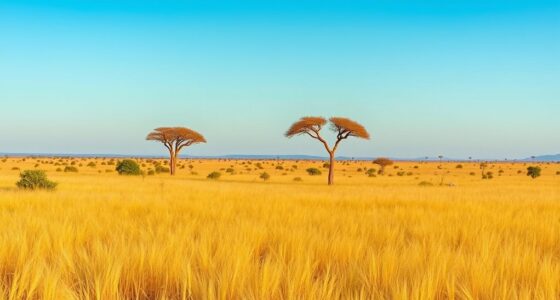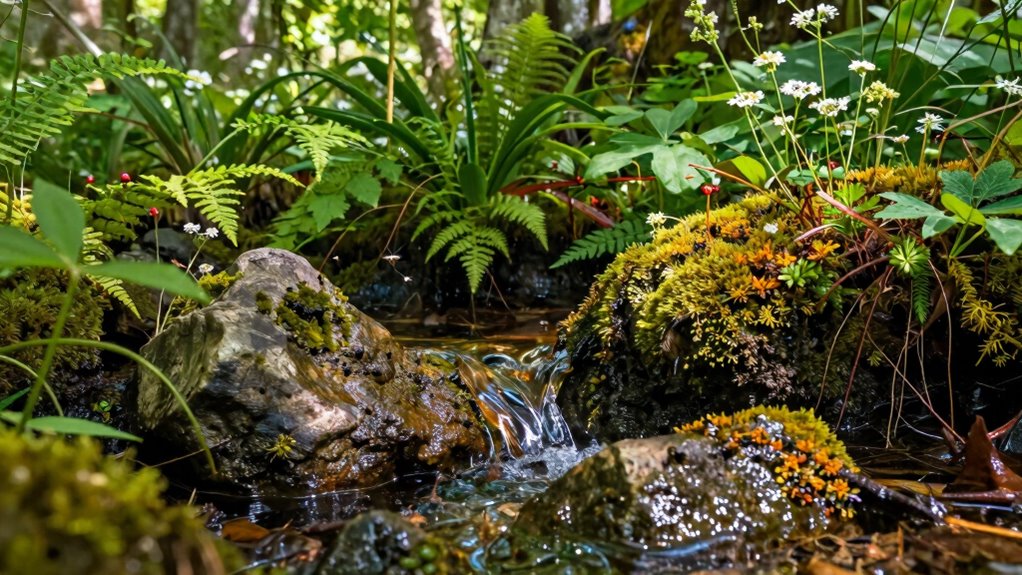

Seep springs and seeps are hotspots for biodiversity because they provide stable, nutrient-rich waters in often dry regions, supporting a wide variety of plants, animals, and microscopic life. These habitats create microenvironments with shelter and breeding grounds, promoting ecological complexity. Their consistent water flow and mineral deposits sustain diverse ecosystems and microbial communities essential for nutrient cycling and overall health. Keep exploring to discover how these unique habitats play a crucial role in regional biodiversity.

Prime made for students and young adults
- Fast, free delivery for dorm and study essentials
- Prime Video and Amazon Music included
- Member-only deals
Key Takeaways
- They provide stable, water-rich habitats in arid regions, supporting diverse aquatic species.
- Microbial communities thrive in nutrient-poor, mineral-rich waters, fostering high microbial diversity.
- Microhabitats created by mineral deposits and submerged structures offer shelter and breeding grounds.
- Constant water flow maintains environmental stability, promoting complex ecological interactions.
- Their microbial diversity and ecological functions underpin overall ecosystem resilience and health.
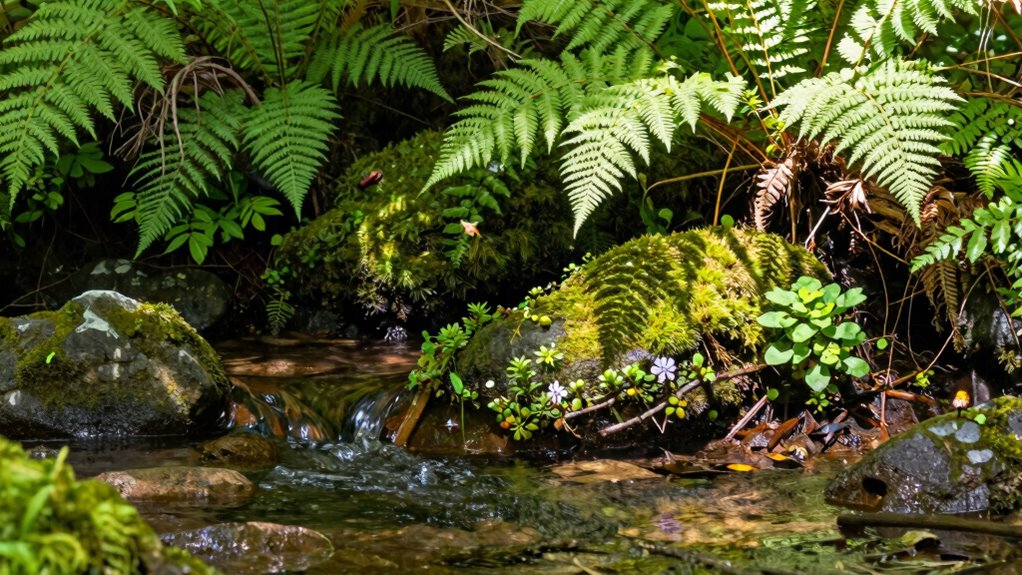
Seep springs and seeps are often overlooked, yet they serve as essential biodiversity hotspots that support a rich array of life. These small, often hidden water sources create unique environments that host a variety of aquatic ecosystems. Unlike larger bodies of water, seeps and springs provide steady, slow-moving water, which fosters a stable habitat for many organisms. This stability attracts a diverse range of species, from plants and invertebrates to fish and amphibians. As a result, they become indispensable centers of biological activity, especially in arid and semi-arid regions where water is scarce.
Seep springs and seeps are vital biodiversity hotspots supporting diverse aquatic life in water-scarce regions.
One of the most remarkable features of seep springs and seeps is their microbial diversity. These environments are teeming with microscopic life forms that thrive in conditions often too extreme for other organisms. Microbial communities here are highly specialized, capable of surviving in nutrient-poor, mineral-rich waters. They play essential roles in nutrient cycling, breaking down organic matter, and supporting the entire ecosystem. The microbial diversity found in these environments is astonishing, with bacteria and archaea adapting to various chemical conditions, such as high mineral content or low oxygen levels. This microbial activity not only sustains the local ecosystem but also influences larger ecological processes, making seeps and springs critical for maintaining regional biodiversity.
You might not realize it, but the microbial life within these environments is a cornerstone of ecological health. These microbes form the foundation of food webs, providing energy and nutrients for higher organisms. Their ability to process minerals and organic compounds helps shape the water chemistry, creating conditions that support diverse aquatic ecosystems. The presence of microbial diversity in these habitats underscores their ecological importance and highlights the need for their conservation. This interconnectedness means that even the smallest microbial populations have a profound impact on the overall biodiversity of seep springs and seeps. Protecting these habitats is essential, as they harbor unique microbial strains and aquatic communities that cannot be found elsewhere. Additionally, the diverse microbial communities often exhibit adaptations to extreme conditions, which makes them valuable for scientific research and biotechnological applications. Exploring these adaptations can also provide insights into how organisms survive in harsh environments, and understanding these processes can inspire innovations in environmental remediation.
In addition, the constant flow of water in seeps and springs ensures a continuous supply of nutrients and oxygen, supporting diverse life forms throughout the year. The microhabitats created by mineral deposits, plants, and submerged rocks further enhance biodiversity by offering shelter and breeding grounds for various species. Because of their ecological complexity and the richness of microbial diversity they support, seep springs and seeps play an indispensable role in maintaining regional ecological stability. Recognizing their importance helps you understand why conserving these often overlooked environments is paramount for preserving the full spectrum of biodiversity. Furthermore, the microbial processes occurring in these habitats can be indicators of environmental health and stability, emphasizing their role in broader ecological monitoring efforts.
As an affiliate, we earn on qualifying purchases.
Frequently Asked Questions
How Do Seep Springs Differ From Other Freshwater Habitats?
Seep springs differ from other freshwater habitats because they support unique microbial diversity, thriving in constant, mineral-rich conditions. You’ll find specialized microbes that drive nutrient cycling, which sustains diverse plant and animal life. Unlike lakes or rivers, seep springs have a steady flow of groundwater, creating stable environments that promote high biodiversity. This combination of microbial activity and nutrient availability makes seep springs essential hotspots for conserving aquatic ecosystems.
What Specific Species Rely Exclusively on Seep Spring Ecosystems?
You’ll find that seep spring ecosystems support unique species that rely exclusively on their environment for survival. These species, like specialized invertebrates and endemic plants, depend on the constant flow of mineral-rich water, which creates stable conditions. Their ecosystem dependencies mean they can’t thrive elsewhere, making seep springs essential for preserving biodiversity. Protecting these habitats ensures that these exclusive species continue to survive and maintain ecological balance.
How Are Seep Springs Affected by Climate Change?
Seep springs face significant threats from climate change, with rising temperatures and altered precipitation patterns reducing water availability. About 60% of seep spring ecosystems could diminish within decades. This impacts aquatic adaptation, challenging species that rely on these unique habitats. To guarantee climate resilience, protecting and restoring seep springs is essential, allowing native species to adapt and thrive despite changing environmental conditions.
Can Seep Springs Be Restored After Environmental Damage?
Yes, seep springs can be restored after environmental damage. You can promote spring rejuvenation by removing pollutants, restoring natural water flow, and replanting native vegetation. These efforts support ecosystem resilience, helping the spring recover its biodiversity and ecological functions. Active restoration projects, combined with long-term conservation strategies, enable you to rebuild healthy seep springs that sustain diverse species and maintain essential environmental processes.
What Conservation Efforts Are Most Effective for Seep Spring Biodiversity?
Think of conserving seep spring biodiversity as tending a delicate garden; you need to nurture it carefully. You should focus on improving water quality and removing invasive species, which are like weeds choking out native plants. Protecting the springs’ natural flow and limiting pollution help restore balance. Active management, habitat restoration, and community engagement make conservation efforts more effective, ensuring these vibrant ecosystems thrive for generations to come.
Conclusion
Seep springs and seeps are more than just water sources; they’re vibrant ecosystems that sustain life, foster diversity, and support resilience. By protecting these fragile habitats, you preserve the intricate web of species that depend on them. Recognize their value, respect their fragility, and act to conserve them. Because when you safeguard these biodiversity hotspots, you’re not just saving water—you’re safeguarding ecosystems, securing futures, and nurturing the delicate balance of life itself.
Evergreen bestsellers Picks
bestsellers
As an affiliate, we earn on qualifying purchases.