Explore Yellowstone’s wild heart, where natural processes and diverse species create a delicate, untamed ecosystem. You’ll see how predators like wolves and bears control prey populations, while fire renewal keeps the landscape healthy and resilient. The park’s expansive terrain supports powerful flows of rivers and thriving habitats. Immerse yourself in the harmony of fire, predators, and natural cycles, and discover more behind this remarkable balance that keeps Yellowstone truly wild.
Key Takeaways
- Yellowstone’s vast, mostly untouched landscape supports diverse habitats and natural processes, showcasing ecological connectivity and resilience.
- Key species like wolves, bison, and bears play vital roles in maintaining ecological balance through predation, grazing, and nutrient dispersal.
- Fire and other natural disturbances drive ecosystem renewal, controlling vegetation, promoting biodiversity, and preserving habitat health.
- Conservation efforts focus on protecting predators, monitoring diseases, and safeguarding habitats to sustain Yellowstone’s ecological integrity.
- Visitors experience Yellowstone’s raw beauty through wildlife observation, geysers, and trail exploration, connecting with the park’s untamed wilderness.

Moon Best of Yellowstone & Grand Teton: Make the Most of One to Three Days in the Parks (Travel Guide)
As an affiliate, we earn on qualifying purchases.
As an affiliate, we earn on qualifying purchases.
The Vast Landscape of Greater Yellowstone

The Greater Yellowstone Ecosystem covers approximately 22 million acres across Wyoming, Montana, and Idaho, making it one of the largest nearly intact temperate-zone ecosystems in the world. You’re exploring a vast, diverse landscape that includes iconic features like geysers, forests, and mountain ranges. This expansive area supports natural processes with minimal human interference, allowing ecosystems to function naturally. You’ll find a mix of protected lands, including Yellowstone National Park’s core, surrounded by national forests, refuges, tribal lands, and private holdings. The terrain varies from high-altitude plateaus to lush valleys, providing habitats for countless plants and animals. Its size and diversity create a dynamic environment where ecological relationships thrive, offering you a rare glimpse into a largely untouched wilderness. Understanding the delicate balance of this ecosystem highlights the importance of conservation efforts to preserve its untamed wilderness. Additionally, preserving the ecological integrity of this area is vital to maintaining the health of the planet’s broader environment. Recognizing the importance of natural processes, such as wildfire and migration, helps in appreciating the resilience and adaptability of this ecosystem. This interconnectedness is a fundamental aspect of ecosystem health, which underscores the significance of ongoing preservation initiatives. Moreover, the region’s biodiversity supports a wide variety of species, making it an invaluable natural resource for scientific research and ecological understanding.

TELUHA Night Vision Goggles for Adults, Night Vision Binoculars with 5000mAh Rechargeable Battery and 32GB Card, 3" HD Screen for Wildlife Observation, Hunting and Security
Day & Night Vision with 4K Video Recording: Designed for low-light and pitch-dark environments, these night vision goggles…
As an affiliate, we earn on qualifying purchases.
As an affiliate, we earn on qualifying purchases.
Key Species That Define the Ecosystem

Among the many creatures that shape Yellowstone’s ecosystem, several key species stand out for their ecological roles and influence. These animals maintain the delicate balance that keeps the park’s wilderness thriving. Their presence supports ecosystem health, ensuring biodiversity and resilience. A healthy ecosystem depends on species diversity, which these key animals help sustain through their interactions. 1. Gray Wolves — Reintroduced in the 1990s, they control elk populations, fostering healthier plant growth and diverse habitats. 2. American Bison — Iconic and essential, their grazing patterns shape the landscape and support countless scavengers. 3. Grizzly Bears — Top predators that regulate prey populations and disperse nutrients through scavenging. 4. Elk — Abundant herbivores, their browsing influences plant succession and habitat structure. These species also contribute to biodiversity, which is vital for the robustness of Yellowstone’s ecosystems. Together, these species define Yellowstone’s untamed spirit, shaping its landscapes and ensuring its wild heart beats strong.

156 Pcs National Parks Sticker Pack, Outdoor Nature Camping Hiking Inspired Waterproof Vinyl Decals for Water Bottles Laptop Car, Mountains Travel Adventure Parks Stickers
The perfect sticker size: Each piece ranges from 2 to 4.5 inches. You'll be amazed by the 74…
As an affiliate, we earn on qualifying purchases.
As an affiliate, we earn on qualifying purchases.
The Role of Fire in Ecosystem Dynamics

Fire plays a crucial role in shaping Yellowstone’s ecosystem by maintaining its natural balance and promoting diversity. When lightning sparks a fire, it clears away dead and overgrown vegetation, making room for new growth. This renewal cycle supports a variety of plants, which in turn sustain herbivores and predators alike. Fire also helps control tree density, preventing forests from becoming too crowded and risking disease or insect outbreaks. Many plant species have adapted to fire, with some relying on it to release seeds or trigger growth. By allowing natural fires to burn, Yellowstone preserves its dynamic landscape, fostering a resilient, thriving ecosystem that depends on these periodic fires to stay healthy and balanced. Additionally, unique and wicked planters can be used in restoration efforts to re-establish native vegetation in disturbed areas, and fire-adapted plant species are vital to maintaining this balance over time. Moreover, the natural fire regime is essential for ecosystem resilience, enabling the park to recover swiftly after disturbances and maintain biodiversity. Studies show that fire also plays a critical role in reducing fuel load, which minimizes the risk of large, uncontrollable wildfires that could threaten the ecosystem’s stability. Properly managed fire regimes are also essential for supporting native plant regeneration, ensuring the persistence of species that depend on fire cues for germination or growth.
![Eco-friendly Camping Supplies [16 Dinnerware Set] for Picnic Basket & Party Supplies. Compostable Paper Plates, Napkins, Biodegradable Utensils, Cups, Green Tablecloths, by Earth's Natural Alternative](https://m.media-amazon.com/images/I/51J9DRjKsjL._SL500_.jpg)
Eco-friendly Camping Supplies [16 Dinnerware Set] for Picnic Basket & Party Supplies. Compostable Paper Plates, Napkins, Biodegradable Utensils, Cups, Green Tablecloths, by Earth's Natural Alternative
114-PIECE SET: (16pcs) Biodegradable Forks, (16pcs) Biodegradable Knives, (16pcs) 7" Compostable Plates, (16pcs) 9" 3-Compartment Compostable Plates, (16pcs)…
As an affiliate, we earn on qualifying purchases.
As an affiliate, we earn on qualifying purchases.
Natural Processes and Conservation Efforts

Natural processes like fire, disease, and predator-prey interactions shape Yellowstone’s landscape and wildlife, maintaining the ecosystem’s health and diversity. These natural forces drive renewal, control populations, and keep habitats resilient. Conservation efforts focus on preserving these processes, allowing nature to take its course. You can witness the power of these efforts in action through:
- Restored fire regimes that mimic natural wildfires, promoting new growth.
- Protection of predators like wolves, which regulate prey populations.
- Monitoring disease outbreaks to prevent imbalances.
- Preservation of diverse habitats that support a wide range of species, including tableware used in visitor centers and ranger stations to educate the public about conservation. Implementing natural disturbance processes is essential for maintaining ecological balance and promoting biodiversity in Yellowstone.
Experiencing Yellowstone’s Wilderness

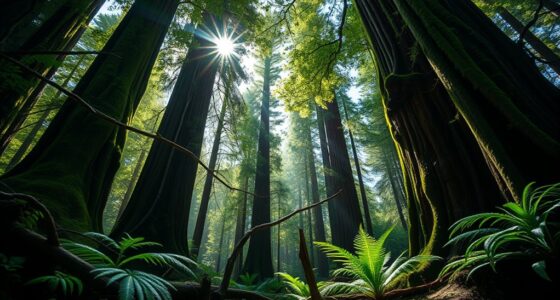
Have you ever wondered what it’s like to step into a truly wild landscape? When you enter Yellowstone’s wilderness, you feel a sense of awe growing inside you. Towering trees surround you, and sounds of distant wildlife echo through the air. You can hike rugged trails, watch geysers erupt unpredictably, or simply sit quietly and observe animals in their natural habitats. The park’s vastness invites exploration and immersion, where the landscape remains mostly untouched by human hands. Here, the natural cycle continues—fires burn, predators hunt, and rivers carve valleys—unfolding as they have for centuries. Experiencing Yellowstone’s wilderness means reconnecting with nature’s raw beauty and understanding how its untouched ecosystem sustains itself. This untamed environment provides a living example of the importance of preserving natural habitats for future generations. It’s an adventure that awakens your senses and deepens your appreciation for wild places. Embracing the natural vibrational energy of these pristine landscapes allows visitors to truly feel connected to the earth’s innate rhythms. Recognizing the vetted status of Yellowstone’s ecosystem underscores its significance as a protected natural treasure. Exploring these landscapes also highlights the crucial role of natural processes like fire ecology, which are vital for maintaining ecological balance. Additionally, the presence of diverse plant and animal species demonstrates the rich biodiversity that thrives in this environment, emphasizing the importance of conservation efforts.
Frequently Asked Questions
How Does Climate Change Impact Yellowstone’s Delicate Ecosystems?
Climate change disrupts Yellowstone’s delicate ecosystems by warming temperatures, which affect wildlife habitats, plant growth, and water availability. You might notice changing migration patterns and shifts in species distribution as animals struggle to adapt. Increased frequency of wildfires and droughts can harm the landscape, making it harder for natural processes to sustain the ecosystem’s balance. Your role in conservation efforts can help protect this essential, fragile environment for future generations.
What Are the Current Threats to Yellowstone’s Biodiversity?
Think of Yellowstone’s biodiversity as a fragile tapestry, vulnerable to unseen tears. Today, invasive species threaten native plants and animals, disrupting the delicate balance. Climate change alters habitats and food sources, while human activities like tourism and development put pressure on ecosystems. These threats diminish Yellowstone’s natural resilience, risking its status as a nearly untouched sanctuary. Protecting this treasure requires vigilant effort to preserve its intricate, vibrant web of life.
How Do Indigenous Communities Interact With the Park’s Natural Landscape?
You’ll find that indigenous communities have a deep, ongoing connection with Yellowstone’s landscape. They actively participate in traditional practices like hunting, fishing, and gathering, which help maintain ecological balance. Many tribes also work with park authorities to protect sacred sites and restore natural habitats. Their cultural knowledge and stewardship play a crucial role in preserving Yellowstone’s biodiversity and ensuring the ecosystem remains resilient for future generations.
What Innovative Conservation Strategies Are Being Implemented in Yellowstone?
You’ll find Yellowstone’s innovative conservation strategies as dynamic as the park’s geysers. They include reintroducing wolves to restore natural balance, implementing prescribed burns to maintain healthy ecosystems, and using advanced tracking technology to monitor wildlife. These efforts act like a symphony, harmonizing human involvement with natural processes. By blending science and tradition, Yellowstone guarantees its wild heart beats strong for generations to come.
How Can Visitors Help Protect Yellowstone’s Natural Integrity?
You can help safeguard Yellowstone’s natural integrity by staying on designated trails, avoiding feeding or approaching wildlife, and packing out all trash. Respect park regulations, especially around fire bans and wildlife viewing guidelines. Support conservation efforts by volunteering or donating, and educate others about the importance of preserving this unique ecosystem. Your responsible actions ensure Yellowstone remains wild and vibrant for future visitors and the diverse species that call it home.
Conclusion
As you stand amidst Yellowstone’s wild expanse, you can almost hear the crackling of fire and the distant call of elk echoing through the valleys. The scent of pine and the shimmer of steaming geysers remind you of nature’s untamed beauty. Here, the land breathes life into its ancient stories, inviting you to witness the raw, vibrant heart of this protected wilderness. It’s a place where your spirit connects deeply with the wild, eternal cycle of life.