The axolotl, an endangered salamander from Mexico, is famous for its extraordinary ability to regenerate limbs and body parts, making it a fascinating example of biological resilience. Its habitat in lakes and canals is shrinking due to urbanization, pollution, and water diversion, putting its survival at risk. Conservation efforts focus on habitat restoration and community involvement. To learn more about how protecting its environment supports its incredible healing powers, keep exploring this remarkable creature.
Key Takeaways
- The axolotl is an endangered Mexican salamander known for its remarkable ability to regenerate limbs and other body parts.
- It naturally inhabits lakes and canals near Mexico City, facing threats from habitat loss due to urban development and pollution.
- Conservation efforts focus on habitat restoration, water quality improvement, and community involvement to protect this unique species.
- Captive breeding programs support short-term survival, but restoring natural habitats is essential for long-term conservation.
- Protecting the axolotl’s habitat benefits broader ecosystem health and ensures the survival of this extraordinary regenerative species.
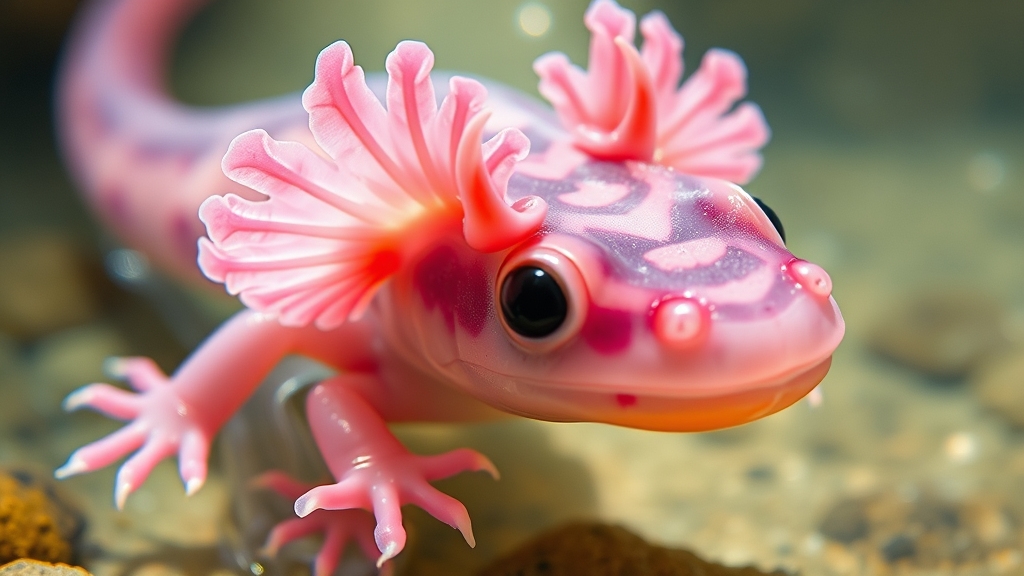
The axolotl, a critically endangered salamander native to Mexico, is remarkable for its ability to regenerate entire limbs and retain juvenile features throughout its life. If you’re interested in conservation, you’ll find that protecting this unique creature hinges heavily on ongoing efforts to preserve its habitat. These efforts are essential because the axolotl’s natural environment — the lakes and canals around Mexico City — has been shrinking rapidly due to urban development, pollution, and water diversion. Without habitat preservation, the axolotl faces imminent extinction, despite its fascinating biological traits.
You can support conservation efforts by raising awareness and advocating for policies that safeguard aquatic habitats. Local organizations and scientists are actively working to restore and maintain the axolotl’s environment, but your involvement can make a difference. Participating in or donating to habitat restoration projects helps guarantee that the water quality improves and that the natural ecosystems remain viable for the axolotl and other native species. These initiatives often include cleaning polluted water bodies, controlling invasive species, and protecting surrounding land from development, all of which contribute to a healthier habitat.
Understanding the importance of habitat preservation also means recognizing how delicate the axolotl’s environment is. Since they require specific conditions—cool, freshwater lakes with plenty of hiding spots—they are especially vulnerable to changes caused by human activity. By supporting local policies that regulate water use and pollution, you help create a sustainable environment that can sustain the axolotl’s populations. Educating communities about the ecological importance of these habitats encourages local stewardship, which is fundamental for long-term conservation success. Additionally, habitat degradation continues to threaten their survival, emphasizing the urgent need for comprehensive conservation strategies.
In addition to habitat preservation, captive breeding programs have been established to ensure the species’ survival. However, these efforts are only a temporary measure unless the natural habitats are restored and protected. You can help by spreading awareness about the critical need for habitat preservation, which not only benefits the axolotl but also the broader ecosystem. Healthy aquatic environments support a diverse array of species, stabilize water quality, and maintain ecological balance. Recognizing the importance of habitat preservation is vital for ensuring the long-term survival of this extraordinary creature.
Frequently Asked Questions
Can Axolotls Live Outside of Water?
You might wonder if axolotls can live outside water. While they’re aquatic creatures, some can adapt temporarily to an aquarium habitat or even outdoor environments. However, they’re not true land animals and require a moist, aquatic setting. Outdoor adaptation is risky because temperature and water quality changes can harm them. For their health, it’s best to keep axolotls in a controlled environment that mimics their natural aquatic habitat.
How Long Do Axolotls Typically Live in Captivity?
They say “patience is a virtue,” and that’s true with axolotls. In captivity, your axolotl’s lifespan depends on proper habitat requirements and care. Usually, they live 10 to 15 years, but factors like water quality, diet, and tank size influence their longevity. Make sure you understand their needs, and you’ll enjoy many years with your aquatic friend. With good care, you’re in for a long, rewarding journey.
Are Axolotls Dangerous to Humans?
You might wonder if axolotls are dangerous to humans. While they’re generally harmless, there are some toxicity concerns, especially if you handle them improperly or have open wounds. The bite risk is minimal, but it’s best to handle them gently to avoid stress or injury to the animal. Overall, with proper care and caution, axolotls pose little danger, making them safe pets for enthusiasts.
What Are the Main Threats to Axolotl Survival?
You might not realize it, but the main threats to axolotls are like giant monsters threatening their existence. Habitat destruction and rising pollution levels are destroying their natural homes, making survival nearly impossible. Urbanization and water contamination wipe out their environment faster than you can blink. If we don’t act now, these incredible creatures could vanish forever, lost to us like a fading legend, all because of human carelessness.
Can Axolotls Be Kept as Pets Worldwide?
You can keep axolotls as pets worldwide, but it’s essential to understand their needs. They require specific aquarium requirements like cool, clean water and plenty of space. Breeding challenges include their sensitive environment and slow growth. You need to be prepared to meet these needs to guarantee their health. While they’re popular, check local regulations, as some places restrict keeping axolotls due to their endangered status.
Conclusion
As you imagine the axolotl’s shimmering, ghostly form beneath the water’s surface, it’s clear how precious this creature is. Its delicate, feathery gills sway like underwater flowers, a reminder of nature’s fragile beauty. Yet, with its bright, curious eyes dimming in the shadows, you realize what’s at stake. Protecting the axolotl means safeguarding a miracle of evolution—an incredible healer—and ensuring this enchanting wonder doesn’t disappear beneath the waves forever.