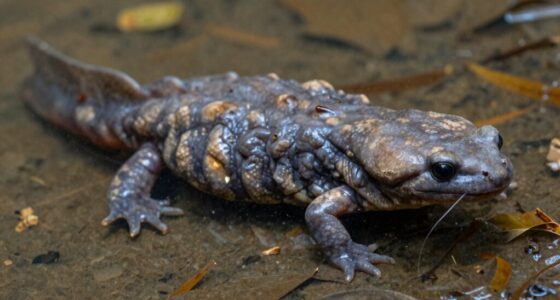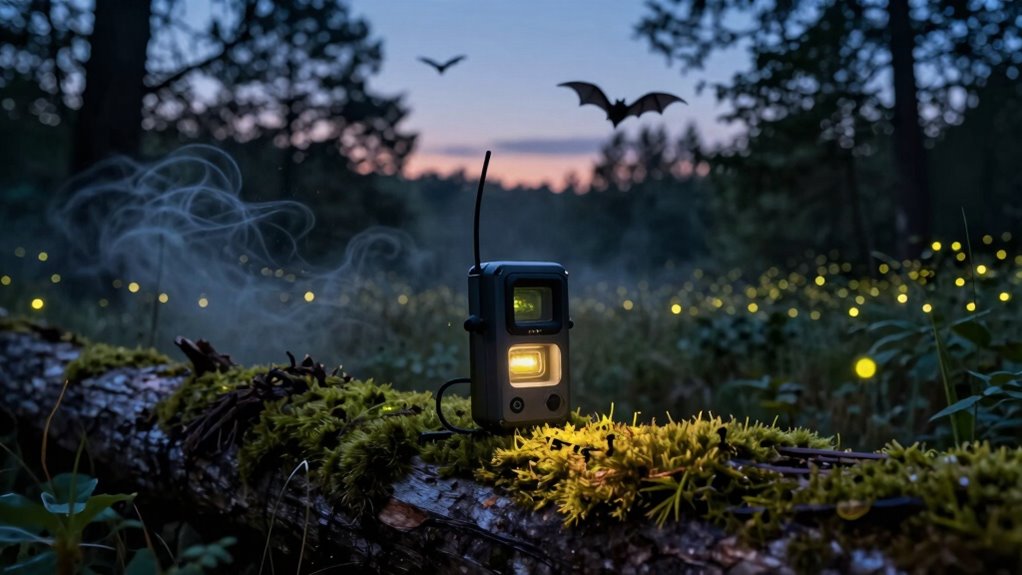

Bat detectors teach you about the vibrant world of nocturnal wildlife by revealing the unique sounds and behaviors of bats. As you listen to their high-frequency calls, you’ll gain insights into their hunting strategies and interactions with other night creatures. You’ll also hear the accompanying sounds of frogs and owls, highlighting the rich tapestry of nighttime ecosystems. This experience deepens your appreciation for nature’s intricacies and connects you to the importance of wildlife conservation. There’s much more to discover!

Prime made for students and young adults
- Fast, free delivery for dorm and study essentials
- Prime Video and Amazon Music included
- Member-only deals
Key Takeaways
- Bat detectors reveal the unique echolocation patterns of different bat species, enhancing understanding of their behaviors and hunting strategies.
- Observing bat calls through detectors highlights their interactions with other nocturnal wildlife, like frogs and owls, enriching the auditory experience.
- Monitoring bat populations via detectors aids in recognizing ecological roles, such as pest control and pollination, underscoring their importance in ecosystems.
- Engaging with bat detectors fosters a deeper connection to nature, inspiring passion for wildlife conservation and advocacy for bat protection.
- Nighttime exploration with detectors emphasizes the diversity of wildlife behaviors, promoting awareness of interspecies interactions and ecosystem dynamics.
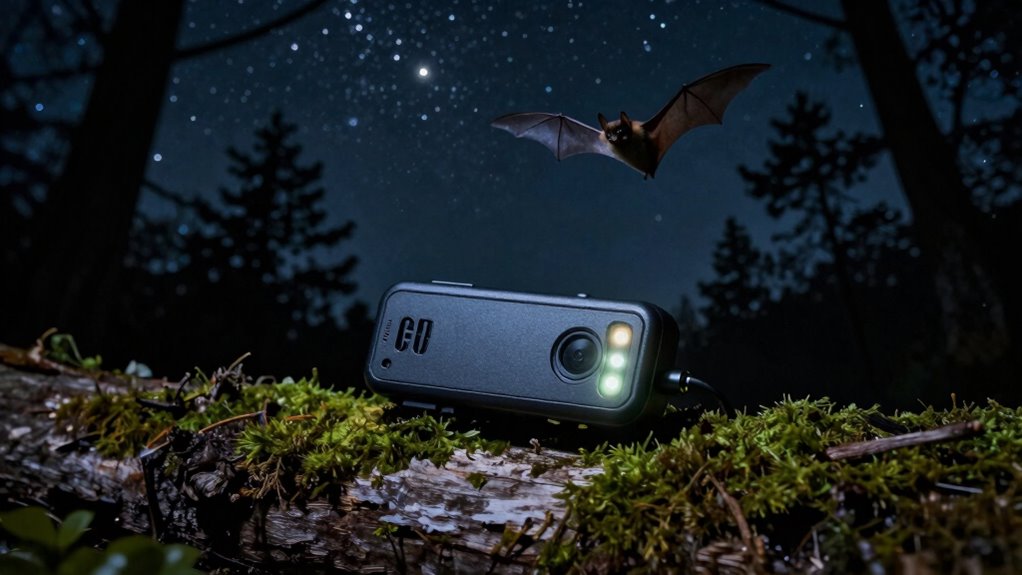
As night falls, many creatures come alive, and if you’re curious about the hidden world of bats, a bat detector can be your best tool. This device allows you to listen in on the fascinating world of these nocturnal mammals, revealing their behavior and interactions in ways you might never have imagined. With a bat detector in hand, you can explore how these creatures use echolocation techniques to navigate and hunt in total darkness.
Bats use echolocation by emitting high-frequency sounds that bounce off objects, providing them with real-time information about their environment. When you hear the distinctive calls through your bat detector, you’ll gain insight into their hunting strategies and flight patterns. Observing these sounds can help you understand how bat behavior varies among different species, each with unique echolocation frequencies and hunting methods. For example, some bats may use a series of rapid clicks while others might have a more melodic sequence. Recognizing these patterns aids in species identification, making your nocturnal adventures even more rewarding.
Your bat detector can also play a significant role in wildlife conservation. As you monitor bat populations in your area, you’ll contribute to understanding their ecological importance. Bats are essential for pest control and pollination, and their decline can have cascading effects on the ecosystem. By documenting their presence and behavior, you’ll gather data that can inform conservation efforts, helping to protect these remarkable creatures and their habitats.
Moreover, being out in the field at night with your detector opens your eyes to a broader spectrum of nocturnal wildlife. As you listen to bats, you might also encounter other night-dwelling animals, enriching your appreciation of the ecosystem. The sounds of frogs croaking or owls hooting might accompany the chirps of bats, creating a symphony of life.
Incorporating a bat detector into your wildlife exploration enhances your understanding of the delicate balance within ecosystems. As you learn more about bat behavior and their role in the environment, you’ll develop a deeper connection to nature. Each night spent listening to these fascinating creatures can ignite your passion for wildlife conservation, empowering you to advocate for the protection of these crucial species. So grab your bat detector and step into the night; the hidden world of bats awaits you!
bat detector for wildlife observation
As an affiliate, we earn on qualifying purchases.
As an affiliate, we earn on qualifying purchases.
Frequently Asked Questions
How Do Bat Detectors Work to Identify Species?
Bat detectors work by converting ultrasonic frequencies emitted by bats into sounds you can hear. When bats echolocate, they produce high-frequency calls that vary by species. By analyzing these calls, you can identify different species based on their unique frequency patterns and call structures. Simply set up the detector in your area, and as bats fly by, you’ll gain insights into which species are present and active at night.
What Other Animals Can Bat Detectors Help Observe?
Bat detectors can help you observe various nocturnal wildlife, including owls and moths, as they share similar habitats and behaviors. By analyzing sounds, you’ll uncover hidden patterns in bat species and their interactions with other creatures. This sound analysis not only enriches your understanding but also aids wildlife conservation efforts. Each call you hear weaves a story of life under the moon, reminding you how interconnected all nocturnal beings truly are.
Can I Use Bat Detectors During the Day?
Yes, you can use bat detectors during the day for daytime detection. While bats are less active in sunlight, some species might still emit ultrasonic frequencies. You might also pick up sounds from other wildlife, like birds or insects. Just keep in mind that the signals may be less frequent, but it’s worth experimenting with! With patience, you could uncover fascinating daytime interactions that you wouldn’t normally notice.
What Is the Best Time to Use a Bat Detector?
The best time to use a bat detector is during dusk or nighttime, when bats are most active. Did you know that over 1,400 species of bats exist worldwide, many of which rely on echolocation? During these hours, you can observe their nighttime behavior through acoustic monitoring, capturing their unique calls and understanding their foraging patterns. So grab your detector and head out at twilight to truly appreciate these fascinating creatures!
Are Bat Detectors Safe for Wildlife and the Environment?
Yes, bat detectors are safe for wildlife and the environment. They help you monitor bat populations without disturbing their natural behavior, playing a vital role in wildlife conservation. By using these devices, you can gather important data on bat activity, which aids in understanding their role in ecosystems. Plus, they have minimal environmental impact, allowing you to enjoy and study nocturnal wildlife responsibly while contributing to conservation efforts.
Conclusion
Using bat detectors is like tuning into nature’s hidden symphony. They not only reveal the presence of bats but also provide insights into the entire nocturnal ecosystem. By listening to their echolocation calls, you gain a deeper appreciation for these creatures and their role in the environment. Each click and buzz helps you understand the delicate balance of life after dark, making your nighttime adventures all the more enriching and connected to the wild world around you.
Halloween Picks
halloween
As an affiliate, we earn on qualifying purchases.