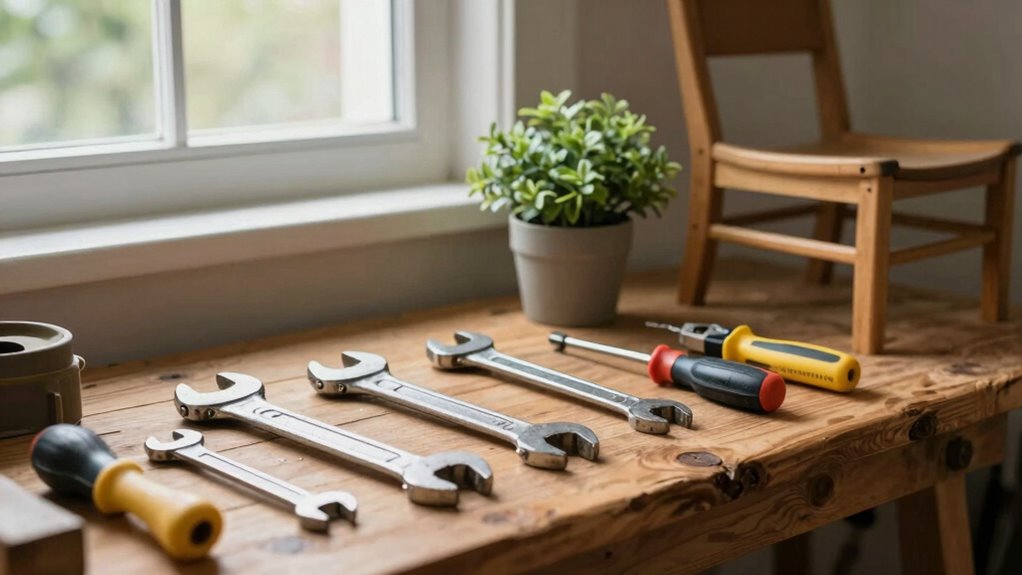

Home repair tools are key to fixing items around your home while promoting sustainability. By using essentials like hammers and screwdrivers, you can tackle simple tasks and reduce waste. Multi-purpose tools save space and money, while eco-friendly materials like non-toxic paints enhance your projects. Embracing a DIY mindset not only builds your skills but also fosters self-sufficiency and creativity. Want to discover how these practices can transform your home and lifestyle? There’s more to explore.
Key Takeaways
- Using essential home repair tools like hammers and screwdrivers enables effective repairs, reducing the need for new purchases and waste.
- Eco-friendly repair options, such as non-toxic materials, promote sustainability and minimize environmental impact.
- Fixing broken items cultivates a DIY mindset, enhancing self-sufficiency and resourcefulness in home maintenance.
- Regular tool maintenance extends lifespan, ensuring tools remain effective for sustainable repairs over time.
- Organized storage of tools leads to efficient repairs, reducing frustration and promoting a proactive approach to home management.
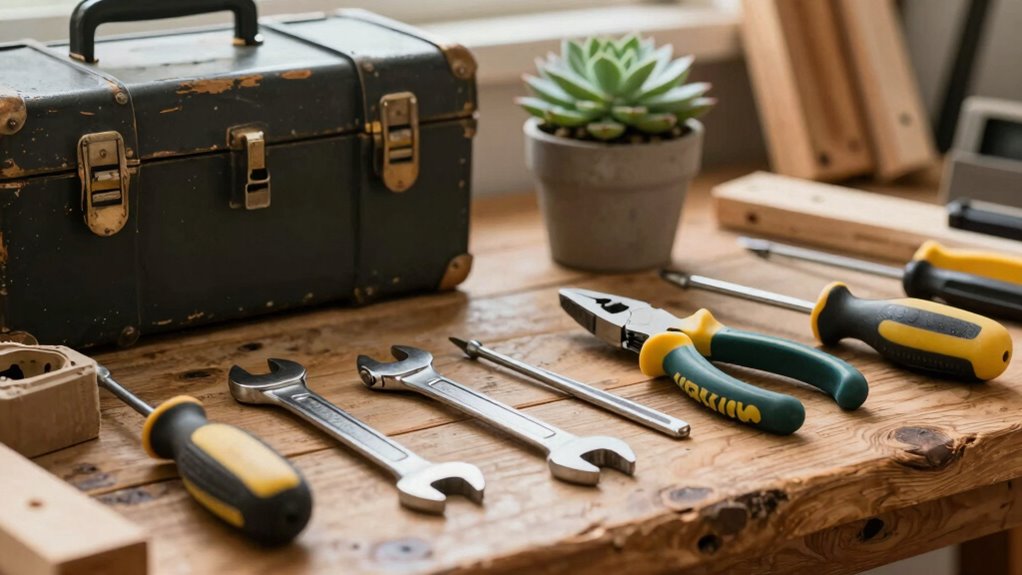
When it comes to tackling home repairs, having the right tools can make all the difference. You don’t need a full workshop to get started; basic tools like a hammer, screwdriver, and pliers are essential for most minor repairs. Investing in a set of multi-purpose tools can also save space and money, allowing you to handle various tasks without needing a separate tool for each job. As you gain experience, you might find that advanced equipment, like a power drill or a saw, becomes invaluable for more complex projects.
Tool maintenance is vital for ensuring your tools last and perform well. Regularly checking for rust, cleaning them after use, and storing them properly can extend their lifespan considerably. Proper tool storage is just as important. Organizing your tools in a designated area, like a toolbox or pegboard, not only keeps them accessible but also prevents accidents. You’ll always know where to find what you need, making your repair process much smoother. Additionally, understanding basic tool maintenance can help you troubleshoot issues early and keep your tools in top condition.
Regular tool maintenance and proper storage are essential for longevity and safety, ensuring your repair projects run smoothly.
Safety practices should never be overlooked. Wearing safety glasses, using gloves, and ensuring your workspace is tidy can prevent injuries. Familiarize yourself with each tool’s operation to avoid mishaps. Don’t underestimate the value of learning proper repair techniques. Whether you’re fixing a leaky faucet or patching a wall, knowing the right method can save you time, money, and frustration. Developing good repair techniques also helps you perform repairs more efficiently and safely. Moreover, incorporating training concepts from other fields, such as sports or fitness, can improve your precision and confidence when handling tools.
As sustainability becomes more essential, eco-friendly options for repairs are gaining traction. Instead of tossing out broken items, consider whether you can fix them. This not only reduces waste but also often requires fewer resources than buying new. You can even find eco-friendly materials for repairs, like non-toxic paints or sustainable wood, which contribute to a greener home environment.
Embracing a DIY mindset can have long-term benefits. By learning to repair rather than replace, you cultivate a skill set that promotes sustainability and self-sufficiency. Additionally, understanding power tools and heavy-duty equipment can expand your capabilities and efficiency in tackling projects. Plus, it can be incredibly satisfying to see the fruits of your labor. So, equip yourself with the right basic tools, maintain them well, and practice safe techniques. With a little effort and creativity, you can tackle most home repairs while also contributing to a more sustainable future.

Eco-Friendly Plumbing Solutions: Sustainable Practices and Innovative Technologies for the Green Homeowner (Homeowner Plumbing Help)
As an affiliate, we earn on qualifying purchases.
As an affiliate, we earn on qualifying purchases.
Frequently Asked Questions
What Basic Tools Do I Need for Home Repairs?
For home repairs, you’ll need a basic toolkit that includes essential equipment like a hammer, screwdrivers (both flathead and Phillips), pliers, a tape measure, and a utility knife. A level and a set of wrenches can also come in handy for various projects. Don’t forget a drill and some drill bits for more advanced tasks. With these tools, you’re well-equipped to tackle most home repair jobs with confidence.
How Can I Learn to Fix Things Myself?
To learn to fix things yourself, start exploring DIY techniques through online tutorials. Websites and YouTube channels offer step-by-step guides for various projects. Begin with simple tasks like patching a wall or unclogging a drain, and gradually tackle more complex repairs. Don’t hesitate to ask questions in forums or local workshops. As you gain confidence, you’ll find fixing things becomes a rewarding skill that saves money and enhances your home.
Are There Eco-Friendly Tools Available?
Absolutely, you can find eco-friendly tools made from sustainable materials. Imagine gripping a wooden handle crafted from reclaimed wood, feeling the warmth of nature in your hands. Look for tools with biodegradable components or those designed for longevity, reducing waste. Brands are increasingly embracing sustainable practices, so you’re not just fixing things—you’re caring for the planet. By choosing these options, you’re contributing to a greener future with every repair you tackle.
How Do I Maintain My Repair Tools?
To maintain your repair tools, start by cleaning them after each use. Store them properly in a dry, organized tool storage area to prevent rust and damage. Regularly check for wear and tear, sharpening blades when necessary. Apply lubricant to moving parts to keep them functioning smoothly. Finally, keep an inventory to track their condition and replace any that are beyond repair. Following these maintenance tips will guarantee your tools stay in great shape.
What Are the Benefits of Repairing Over Replacing?
Repairing over replacing offers significant benefits: you save money, you develop valuable skills, you reduce waste, and you lessen your environmental impact. When you fix something instead of tossing it, you keep it out of landfills, which helps the planet. Plus, honing your repair skills boosts your confidence and independence. So, every time you choose to repair, you’re making a smart financial decision while actively contributing to a more sustainable future.
Conclusion
In today’s throwaway culture, picking up a trusty hammer and fixing things yourself can feel like a refreshing change. Not only does it save you money, but it also helps the planet by reducing waste. So, before you toss that broken chair, grab your tools and channel your inner handyman. Remember, even the best gadgets can’t replace the satisfaction of a job well done. Let’s make fixing things cool again—just like bell-bottoms!