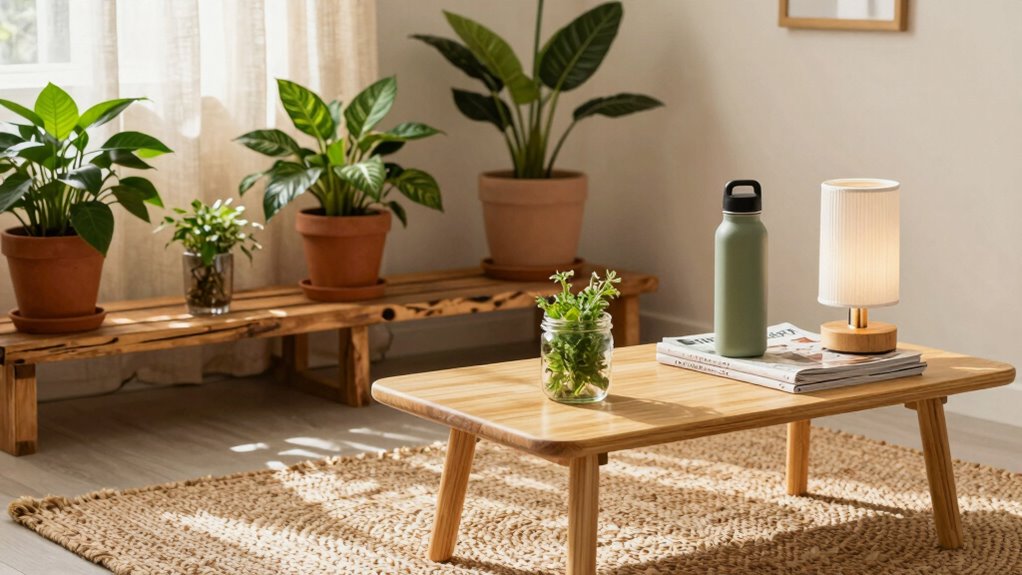

To start a sustainable home reset this season, focus on making intentional, eco-friendly changes like swapping harsh chemicals for natural cleaners, sealing drafts, and switching to energy-efficient lighting. Declutter responsibly by donating or recycling items and incorporate sustainable habits like composting. Develop a routine for regular maintenance and upgrades to keep your efforts steady. Small, consistent changes create a long-term impact, and if you keep exploring, you’ll discover even more ways to green your home.

Prime made for students and young adults
- Fast, free delivery for dorm and study essentials
- Prime Video and Amazon Music included
- Member-only deals
Key Takeaways
- Conduct a home audit to identify areas for energy savings and waste reduction.
- Replace harsh cleaning chemicals with natural, eco-friendly solutions.
- Seal drafts and upgrade to energy-efficient lighting and appliances.
- Declutter sustainably by donating, recycling, or composting unwanted items.
- Establish a routine for ongoing eco-conscious practices and regular home maintenance.
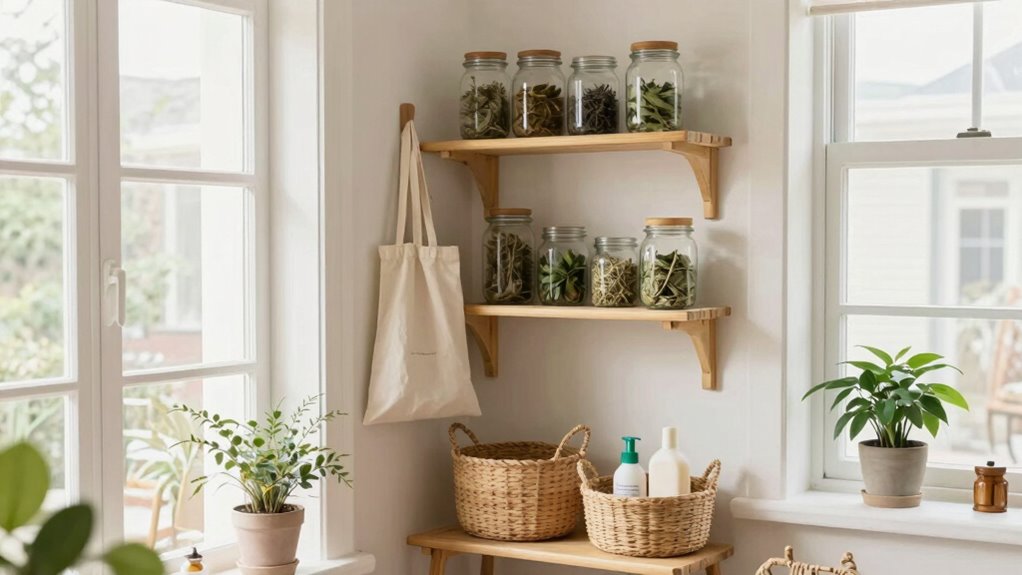
As the seasons change, it’s the perfect opportunity to refresh your home in a way that’s both environmentally friendly and energizing. A home reset isn’t just about decluttering; it’s about making intentional choices that reduce your environmental footprint while creating a healthier living space. Start by tackling your cleaning routine with eco friendly cleaning products. Swap out harsh chemicals for natural solutions like vinegar, baking soda, and citrus extracts. These are just as effective for cleaning and don’t emit toxic fumes, making your home safer for everyone and better for the planet. Not only do they cut down on plastic waste by reducing the need for disposable cleaning wipes and sprays, but they also help you avoid the harmful chemicals that can linger in the air and on surfaces.
Refresh your home with eco-friendly cleaning solutions for a healthier, greener living space.
Next, consider your home’s energy efficiency. This season is a great time to implement energy saving upgrades that lower your utility bills and lessen your carbon footprint. Simple steps like sealing drafty windows and doors can keep warm air in during the colder months, reducing the need for excessive heating. Installing programmable thermostats allows you to better manage your energy use, ensuring you’re only heating or cooling when necessary. Replacing old incandescent bulbs with LED lighting is another quick upgrade that cuts down on electricity consumption. If you’re looking to go further, think about investing in energy-efficient appliances or solar panels if your budget allows. These upgrades not only save energy but also add value to your home. Additionally, exploring air fryer cooking offers a healthier and more energy-efficient alternative to traditional oven use, helping reduce your overall energy consumption. When you choose appliances carefully, you can also support sustainable manufacturing practices that minimize environmental impact. Incorporating energy-efficient technology can also improve the overall color accuracy of your home devices, creating a more comfortable and functional environment.
Decluttering your space goes hand in hand with a sustainable reset. Remove items you no longer need, and consider donating or recycling them appropriately. This reduces waste and makes your living environment more peaceful and organized. As you do so, reflect on your consumption habits and how they impact the environment. Opt for sustainable, durable products over disposable ones, and choose items made from recycled or eco-friendly materials whenever possible. Incorporating eco friendly habits into your daily routine can significantly contribute to a more sustainable lifestyle. To further enhance your eco-conscious efforts, consider creating a dedicated space for composting or recycling to manage waste more effectively.
Finally, make a plan to maintain these changes. Create a routine for eco friendly cleaning, and set reminders to check for updates on energy upgrades or new sustainable products. Incorporating these practices into your daily life turns a seasonal reset into a lasting lifestyle shift. By focusing on eco friendly cleaning and energy efficient upgrades, you’ll transform your home into a healthier, more sustainable space that supports both your well-being and the planet’s. This season, let your home reflect your commitment to a greener future, one small change at a time.
As an affiliate, we earn on qualifying purchases.
Frequently Asked Questions
How Do I Measure the Environmental Impact of My Home Reset?
You can measure your home reset’s environmental impact by tracking improvements in indoor air quality and your use of renewable energy sources. Use air quality monitors to check for pollutants and allergens, noting any positive changes. Additionally, review your energy bills to see how much you’ve shifted toward renewable sources like solar or wind. This way, you’ll get a clear picture of your home’s reduced carbon footprint and healthier environment.
What Are Budget-Friendly Sustainable Home Upgrade Options?
Want to upgrade sustainably without breaking the bank? Start with eco-conscious decor—think recycled or bamboo furniture, and non-toxic paints. Install small-scale renewable energy solutions like solar-powered lights or a DIY solar heater. These budget-friendly upgrades boost your home’s eco-friendliness, save energy, and add style. Keep an eye out for deals and secondhand finds; you’ll be surprised how affordable it is to create a greener, more sustainable home today!
How Can I Involve My Family in the Reset Process?
You can involve your family in the reset process by encouraging family participation in eco-friendly activities, like sorting recyclables or planting a garden. Make it a fun, collaborative effort to set sustainability goals together. Additionally, explore community involvement through local clean-up events or sustainability workshops, which can inspire collective action. When everyone gets involved, it boosts motivation, strengthens bonds, and makes your home’s reset more meaningful and impactful.
Which Eco-Friendly Materials Are Safest for Home Use?
Your home’s safety depends on choosing eco-friendly materials that are truly safe. Opt for eco-friendly paints with low or zero volatile organic compounds (VOCs) to avoid harmful fumes. For bedding, go for organic options that are free from pesticides and chemicals, ensuring a healthier sleep environment. These materials aren’t just safe — they’re your home’s shield against toxins, transforming your space into a sanctuary that’s as pure as nature itself.
How Often Should I Reassess My Sustainability Goals?
You should reassess your sustainability goals every six months to stay on track. During these reviews, focus on your progress with renewable energy and water conservation. Evaluate if your current strategies are effective or need adjustments. Regular reassessment helps you set more ambitious targets, adapt to new eco-friendly innovations, and guarantee your home remains aligned with your sustainability values. Staying proactive keeps your eco-friendly efforts sustainable in the long run.
Conclusion
Think of your home as a garden—you need to tend to it regularly to keep it thriving. By taking small, intentional steps this season, you’re planting seeds for a more sustainable future. Clear out what no longer serves you, nourish your space with eco-friendly choices, and watch it flourish. Remember, a home reset is like pruning a tree—you make space for new growth, energy, and a greener tomorrow. Your sustainable journey begins now—nurture it.
Fall Picks
fall essentials
As an affiliate, we earn on qualifying purchases.