
If you’re looking for the 14 best ocean conservation books to inspire action, I recommend titles that range from engaging children’s stories like “Save the Ocean” and “Yoshi and the Ocean” to insightful guides like “Reef Smart Guides” and “Marine Conservation Biology.” These books combine stunning visuals, fascinating facts, and inspiring messages to motivate readers of all ages. Keep exploring, and you’ll discover ways to connect more deeply with ocean stewardship through these compelling titles.
Key Takeaways
- The list includes engaging children’s books like “Save the Ocean” and “Yoshi and the Ocean” that teach early conservation awareness.
- It features comprehensive guides such as “Reef Smart Guides Beneath the Blue Planet” for ocean science and ecosystem understanding.
- Advanced titles like “Marine Conservation Biology” provide in-depth insights for educators, students, and professionals.
- Inspiring stories like “Inky the Octopus” highlight marine animal intelligence and conservation themes through engaging narratives.
- The selection emphasizes books that promote awareness, inspire action, and foster a deeper appreciation for protecting our seas.
The Underworld: Journeys to the Depths of the Ocean
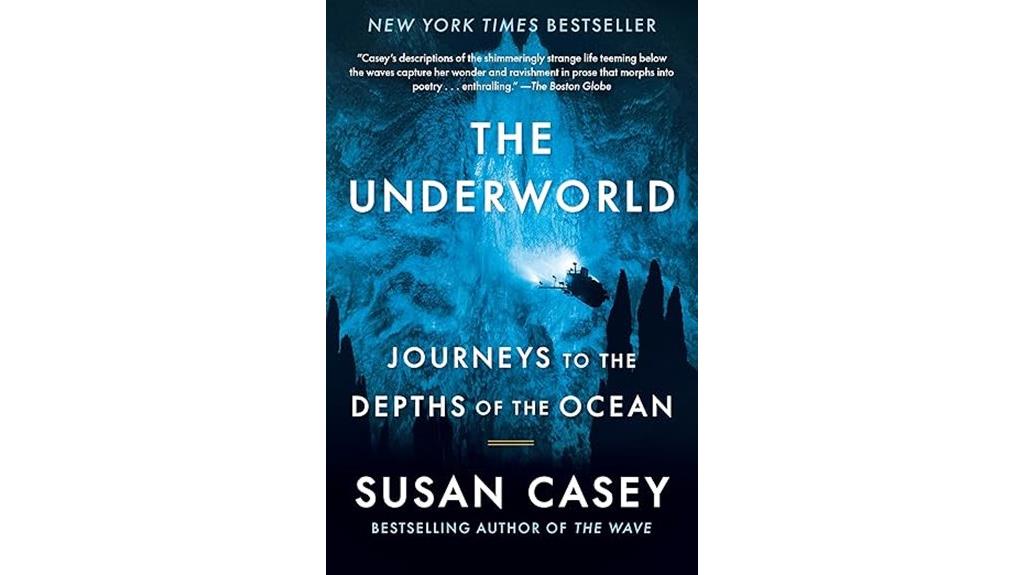
If you’re fascinated by the mysteries lurking beneath the ocean’s surface and want to understand why protecting these depths matters, “The Underworld: Journeys to the Depths of the Ocean” is a must-read. I found Susan Casey’s vivid descriptions of deep-sea exploration incredible, from mountains taller than Everest to volcanoes fiercer than Etna. Her personal dives reveal astonishing lifeforms that might hold clues about our origins and help regulate Earth’s climate by absorbing CO2. The book emphasizes how little we know about these ecosystems and why safeguarding them is essential. It’s an inspiring call to prioritize ocean exploration and conservation before these hidden worlds are lost forever.
Best For: readers passionate about marine biology, environmental conservation, and thrilling scientific adventures seeking to explore the mysteries and importance of the deep ocean.
Pros:
- Vivid, engaging descriptions that bring deep-sea exploration to life
- Well-researched insights on the ecological significance of the ocean’s depths
- Inspires awareness and action towards ocean conservation and sustainable exploration
Cons:
- Some readers may find the scientific details complex or dense
- Limited focus on technological advancements compared to ecological and exploratory aspects
- May evoke feelings of urgency or concern that could be overwhelming for sensitive readers
Reef Smart Guides Beneath the Blue Planet: A Diver’s Guide to the Ocean and Its Conservation
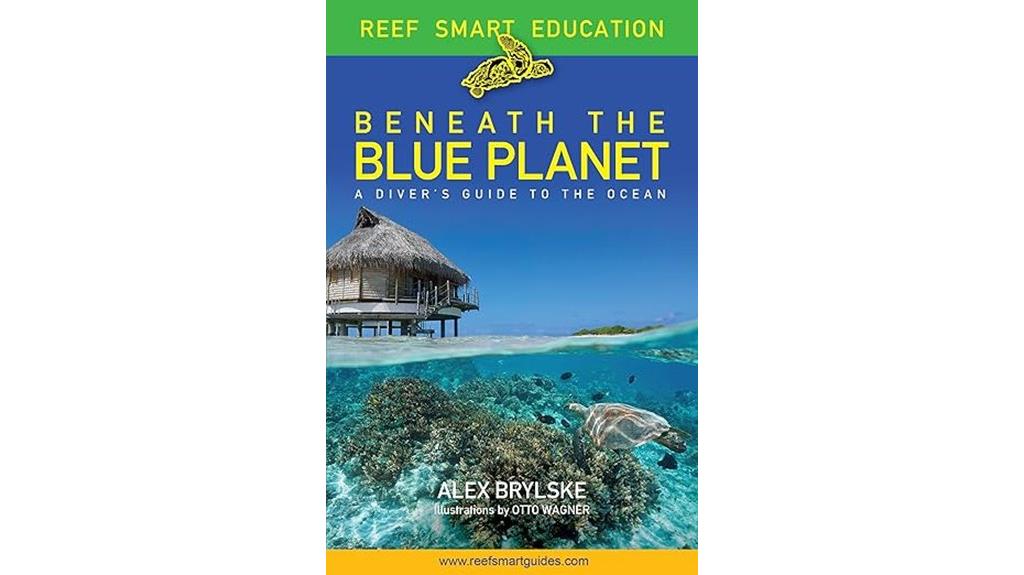
Beneath the Blue Planet stands out as an essential guide for scuba divers enthusiastic to deepen their understanding of ocean conservation. I find it highly praised for its clarity, organization, and engaging style, making complex scientific topics accessible to both divers and non-divers. The book offers detailed insights into oceanography, coral reefs, currents, and marine ecosystems, supported by stunning visuals and informative graphics. Its practical tips, sidebars, and references make it a valuable lifelong resource. Written by an expert, it builds credibility and trust. Whether you’re a seasoned diver or simply passionate about marine life, this guide inspires action and enhances your appreciation of our precious ocean environments.
Best For: scuba divers, marine enthusiasts, and conservation advocates seeking an accessible yet comprehensive guide to ocean science and marine conservation.
Pros:
- Highly praised for clarity, organization, and engaging writing style that makes complex topics understandable
- Rich with stunning visuals, diagrams, and graphics that enhance learning and retention
- Offers practical tips, sidebars, and references that support lifelong learning and conservation action
Cons:
- Contains detailed scientific information that may be dense for complete beginners without some background
- May be less suitable for readers seeking purely recreational or casual ocean content
- As a comprehensive guide, it may be somewhat lengthy for those looking for a quick overview
Save the Ocean (Save the Earth)

Looking for a way to teach young children about the importance of protecting our oceans? “Save the Ocean (Save the Earth)” uses simple stories, colorful illustrations, and interactive activities to raise awareness about ocean conservation. It highlights the dangers of plastic waste, the importance of recycling, and caring for marine life like sea turtles. Many reviews praise its engaging visuals and straightforward messages, making complex issues accessible to preschoolers. The story fosters empathy and responsible behavior, inspiring kids to become ocean protectors. While some suggest adding more in-depth content, this book effectively introduces young children to the urgent need to keep our seas clean.
Best For: young children, especially preschoolers, and families or educators seeking an engaging way to introduce ocean conservation concepts.
Pros:
- Colorful, charming illustrations that capture children’s attention and make complex concepts accessible.
- Simple, straightforward story suitable for early childhood development and learning.
- Interactive activities and additional educational content enhance engagement and understanding.
Cons:
- Some editions may be damaged or incomplete, affecting the reading experience.
- Lacks in-depth exploration of ocean pollution solutions beyond avoiding plastic bags.
- Could benefit from incorporating real marine images to deepen understanding and interest.
The Fascinating Ocean Book for Kids

The Fascinating Ocean Book for Kids stands out as an excellent choice for young children aged 3 to 8 who are curious about marine life and sharks. I love how it captures their attention with vibrant pictures and simple facts, making learning fun and accessible. The book offers over 500 engaging ocean facts, perfect for sparking curiosity and fostering a love for science early on. Even reluctant readers find it enjoyable thanks to its large fonts and colorful visuals. It’s an ideal gift for ocean-loving kids, helping them explore marine wonders while encouraging their reading skills and environmental awareness.
Best For: young children aged 3 to 8 who are interested in oceans, marine life, and sharks, especially those just learning to read or reluctant readers.
Pros:
- Vibrant, colorful pictures that attract and engage young children.
- Simple language and large fonts that make reading accessible for early readers.
- Over 500 fascinating facts that foster curiosity and promote interest in science and the environment.
Cons:
- Some reviewers feel the content is too basic for older or more advanced readers.
- The physical quality of the book may seem cheap or less durable than expected.
- A few readers wish for more facts or a more visually glossy presentation to enhance appeal.
Yoshi and the Ocean: A Sea Turtles Incredible Journey Home
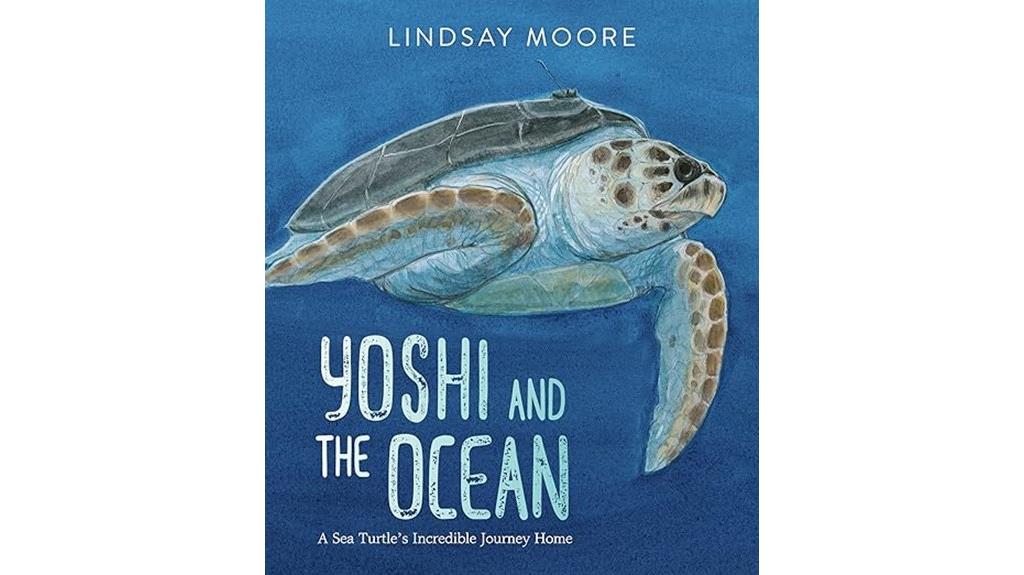
If you’re searching for a beautifully illustrated and educational book to introduce children to marine life and conservation, “Yoshi and the Ocean: A Sea Turtle’s Incredible Journey Home” is an excellent choice. This poetic, fact-based picture book follows Yoshi, a sea turtle, as she travels over 25,000 miles to return to her birthplace. The stunning illustrations by Moore bring Yoshi’s journey to life, while the back matter offers maps, diagrams, and facts about sea turtles and their conservation. Perfect for young readers and classrooms, this book combines adventure and science, inspiring children to appreciate and protect our oceans and their incredible creatures.
Best For: young children, educators, and families interested in marine life, conservation, and engaging read-aloud stories with beautiful artwork.
Pros:
- Engaging and poetic storytelling suitable for read-aloud sessions.
- Stunning, multi-media illustrations that enhance the narrative.
- Educational content with detailed back matter on sea turtles and conservation.
Cons:
- Pacing may feel monotonous and lack elements of danger or adventure.
- The story does not explicitly explain Yoshi’s biological motivations or navigation skills.
- Minor issues such as bent pages upon receipt can detract from the overall experience.
Inky the Octopus: Official Story of Octopus Escape
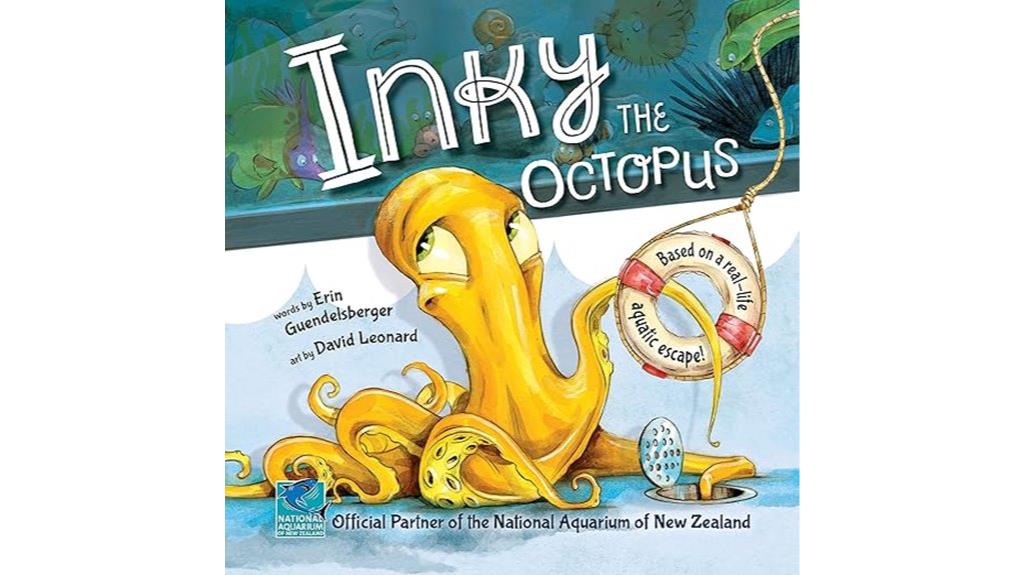
Inky the Octopus: Official Story of Octopus Escape is a perfect choice for young readers fascinated by marine life and clever animals. This book tells the true story of Inky’s daring escape from an aquarium in New Zealand, making it both engaging and authentic. It includes other real octopus escape stories, highlighting their intelligence and resourcefulness. The rhyming narrative captures Inky’s curiosity and desire for freedom, while vivid illustrations bring the story to life. Plus, fun facts about octopuses deepen understanding. It’s a delightful, educational read that celebrates animal ingenuity and inspires kids to appreciate and protect ocean creatures.
Best For: children and young readers who are fascinated by marine life, octopuses, and adventurous animal stories.
Pros:
- Engaging true story that highlights octopus intelligence and escape skills.
- Beautiful, vivid illustrations that captivate young readers and enhance storytelling.
- Educational content with fun facts about octopuses that promote learning and curiosity.
Cons:
- May be too simple for older children seeking more complex stories.
- Limited focus on a single octopus story, which might not satisfy readers looking for broader marine biology topics.
- Physical durability can vary; some copies may show wear with frequent handling.
Marine Conservation Biology: The Science of Maintaining the Seas Biodiversity
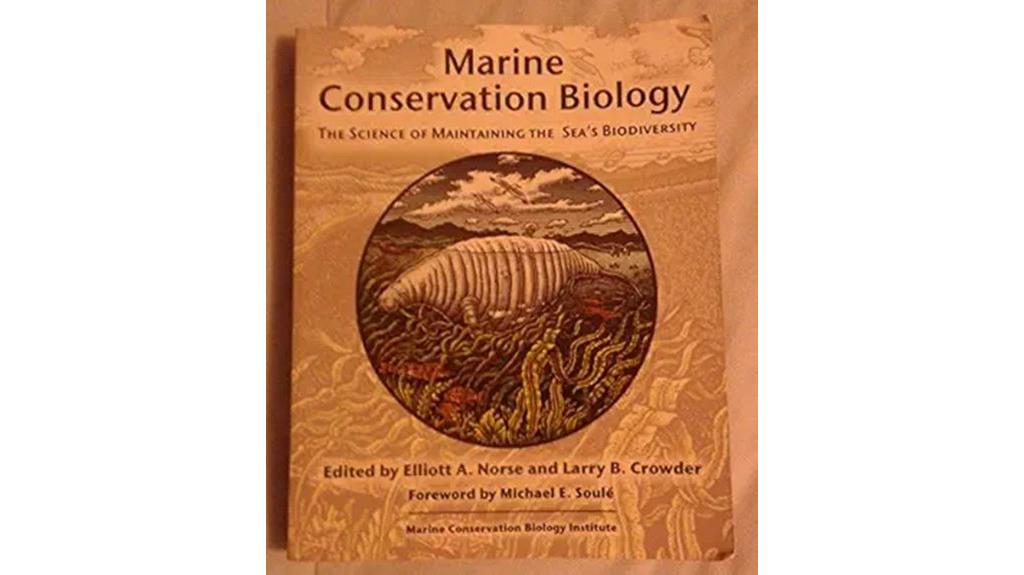
For graduate students, conservation professionals, and passionate ocean advocates, “Marine Conservation Biology: The Science of Maintaining the Seas Biodiversity” stands out as an essential resource. It offers a thorough, data-driven exploration of marine biodiversity conservation, highlighting its importance for ocean health. The book’s engaging chapters, written by various experts, provide valuable examples and insights that support both teaching and professional reference. Despite some variation in writing style, its overall clarity and depth make it a trusted, practical tool. This book not only deepens understanding but also inspires action, making it a must-have for anyone committed to protecting our seas.
Best For: graduate students, conservation professionals, and passionate ocean advocates seeking a comprehensive and data-driven resource on marine biodiversity conservation.
Pros:
- Thorough, data-driven content that emphasizes the importance of ocean health
- Engaging chapters written by various experts, providing diverse insights and practical examples
- Serves as a valuable teaching and professional reference tool, inspiring action and deeper understanding
Cons:
- Variability in writing style across chapters may affect uniformity in readability
- Some readers may find the extensive technical information dense without prior background
- Not primarily designed as an introductory text, so less suitable for complete beginners in marine conservation
A Drop Around the World: Water Cycles Science Book for Kids
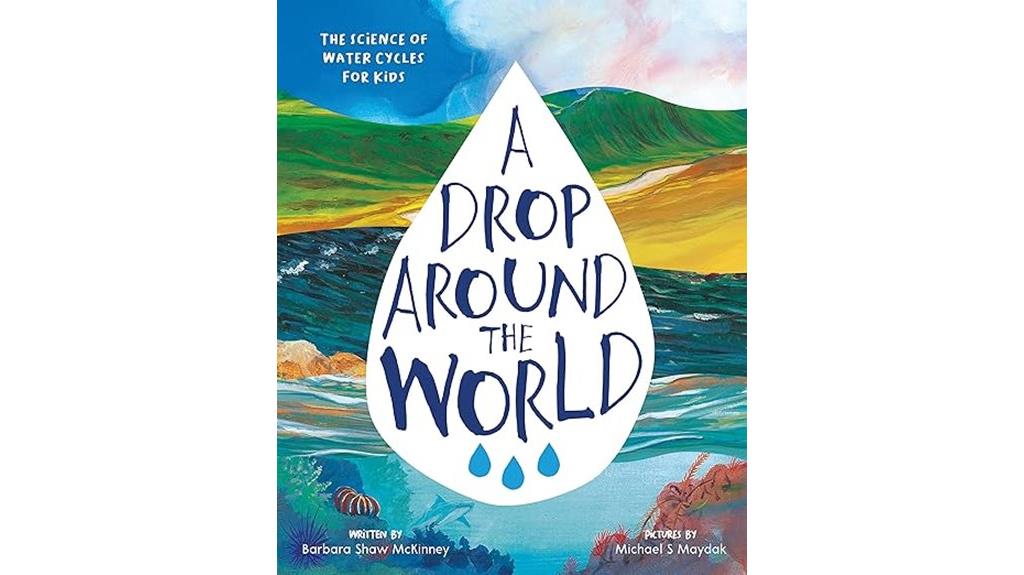
A Drop Around the World: Water Cycles Science Book for Kids stands out as an excellent choice for upper elementary students enthusiastic to understand the journey of water across our planet. I love how it follows a water droplet’s adventure through evaporation, condensation, and precipitation, making complex processes easy to grasp. The vibrant illustrations and interactive elements, like finding Drop on each page, keep kids engaged. Though the poetic style might be advanced for younger children, it’s perfect for older students to explore environmental awareness, water conservation, and geography. This book is a fun, educational resource that helps kids appreciate the importance of water in our world.
Best For: upper elementary students and educators seeking an engaging, educational resource to teach the water cycle, environmental awareness, and geography through storytelling and detailed illustrations.
Pros:
- Engaging poetic narrative that makes complex scientific processes accessible and fun
- Vibrant, detailed illustrations that support vocabulary development and student engagement
- Interactive elements like finding Drop on each page foster involvement and curiosity
Cons:
- The poetic style may be too advanced or lengthy for younger children, such as first graders
- Some may find the writing campy or elementary, potentially less suitable for older students seeking more technical details
- The detailed illustrations and content might be overwhelming for early or struggling readers
Handbook of Whales, Dolphins, and Porpoises of the World
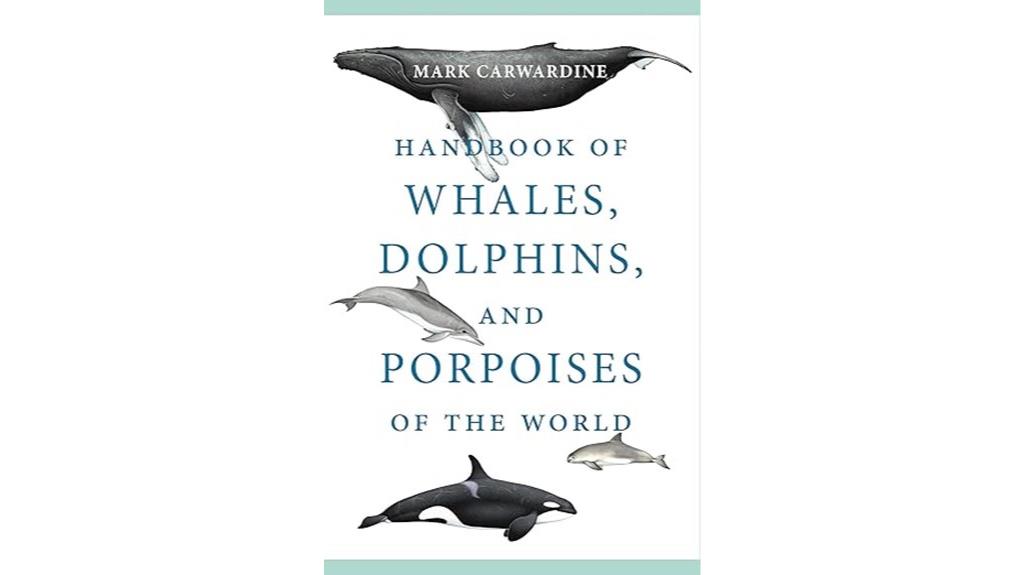
If you’re passionate about identifying and understanding cetaceans, the “Handbook of Whales, Dolphins, and Porpoises of the World” stands out as an essential resource. This exhaustive guide offers detailed species pages with vivid illustrations, range maps, and identification keys, making it ideal for both beginners and experts. I appreciate its clear language, organized layout, and focus on behavior, anatomy, and distribution. It’s perfect for fieldwork, research, or simply deepening your knowledge. The book’s visual richness and factual depth help raise awareness of cetacean diversity and conservation challenges, inspiring us to protect these incredible creatures and their habitats.
Best For: cetacean enthusiasts, marine biologists, and students seeking a comprehensive and detailed field guide to whale, dolphin, and porpoise species worldwide.
Pros:
- Highly detailed species pages with vivid illustrations and range maps for easy identification.
- Clear, accessible language suitable for both beginners and experts.
- Focus on behavior, anatomy, and distribution provides a well-rounded understanding of cetaceans.
Cons:
- Limited to cetaceans, excluding sirenians and other marine mammals.
- Some users wish for more photographs or inclusion of additional species.
- The hardcover is heavy, which may be less convenient for field use; a spiral-bound or paperback version may be preferable.
Planet Ocean: Why We All Need a Healthy Ocean

“Planet Ocean: Why We All Need a Healthy Ocean” stands out as an ideal choice for young readers enthusiastic to understand and protect our planet’s most essential ecosystem. This beautifully crafted book combines stunning imagery, engaging stories, and accessible explanations to showcase the ocean’s crucial role in sustaining life on Earth. It explores diverse regions, highlights threats like pollution and overfishing, and shares inspiring conservation efforts worldwide. The book encourages action, emphasizing that everyone can help preserve these precious waters. It’s an eye-opening resource that fosters appreciation, responsibility, and hope for a healthier, thriving ocean future.
Best For: young readers, educators, and families interested in inspiring awareness and action to protect the ocean’s health and understand its vital role in Earth’s ecosystem.
Pros:
- Engaging storytelling combined with stunning photography makes complex ocean topics accessible and captivating for young audiences.
- Interactive QR codes and multimedia links enhance learning experiences beyond the book’s pages.
- Promotes awareness of environmental threats and empowers readers to participate in conservation efforts.
Cons:
- May require access to digital devices to fully utilize multimedia features.
- Focused primarily on education and inspiration, which might limit appeal for older or more science-focused readers.
- Some readers may find the coverage of global regions less detailed due to the book’s broad overview approach.
Waves and Beaches: The Powerful Dynamics of Sea and Coast
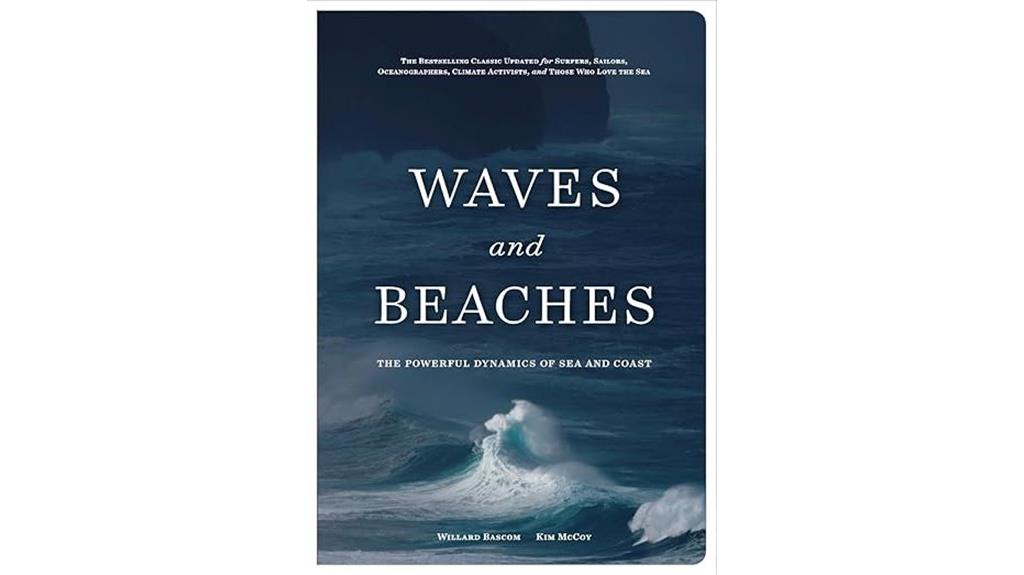
Waves and Beaches: The Powerful Dynamics of Sea and Coast stands out as an essential resource for anyone curious about how the ocean shapes our coastlines. I find it fascinating how this book balances scientific detail with accessible explanations, making complex concepts understandable. It explores wave behavior, erosion, sediment transport, and the impact of climate change on coastal environments. The book’s real-world stories and vivid diagrams bring these processes to life, emphasizing their importance. Whether you’re a beach enthusiast, student, or professional, it deepens your appreciation for the powerful forces constantly shaping our shores and highlights why protecting these dynamic landscapes matters.
Best For: beach lovers, students, and coastal professionals seeking a comprehensive and engaging understanding of wave dynamics and coastal processes.
Pros:
- Balances scientific rigor with accessible explanations, suitable for a wide audience
- Rich with vivid diagrams, images, and real-world stories that enhance understanding
- Addresses contemporary issues like climate change and sea-level rise with up-to-date research
Cons:
- Some sections can be quite technical for casual readers unfamiliar with scientific terminology
- The depth of detail might be overwhelming for those seeking a quick overview
- As a comprehensive resource, it may be too lengthy for readers looking for a brief introduction
Wave: (Books about Ocean Waves, Beach Story Childrens Books)
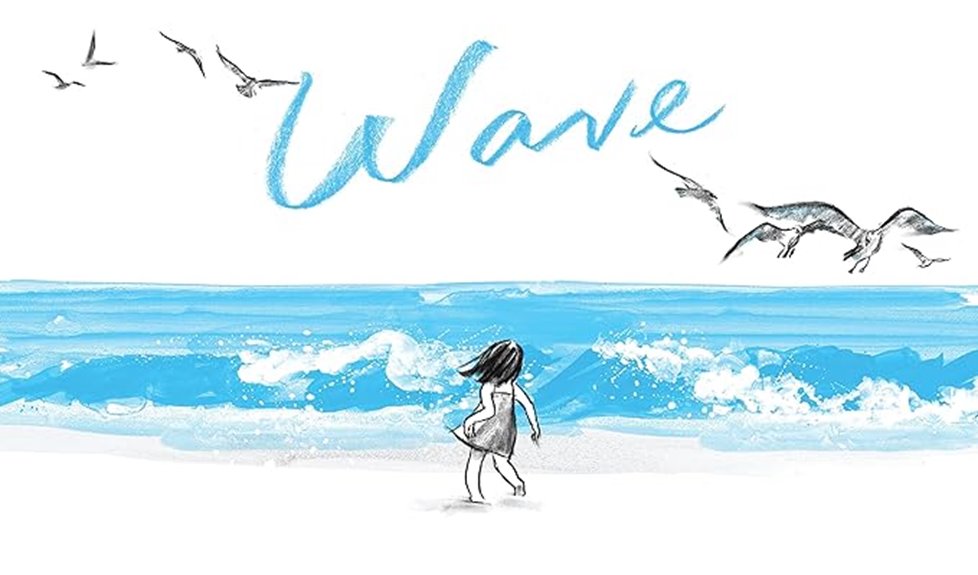
Wave stands out as an ideal choice for parents and educators seeking a calming, visually stunning children’s book that sparks creativity. This wordless story captures a girl’s interaction with a wave at the beach, emphasizing imagination, nature, and playful discovery. The watercolor illustrations are simple yet powerful, with vibrant blues and charcoal contrasts that evoke emotion and movement. Children are captivated, often asking for multiple readings, encouraging them to invent their own stories. It’s perfect for nurturing artistic appreciation and storytelling skills, making “Wave” a treasured addition to any toddler’s library and a gentle reminder of the magic found in the ocean’s waves.
Best For: parents, educators, and caregivers seeking a calming, beautifully illustrated children’s book that encourages imagination and a love for nature.
Pros:
- Stunning watercolor artwork that evokes emotion and movement without words
- Enhances creativity and storytelling skills through visual engagement
- Suitable for young children, providing a soothing and inspiring reading experience
Cons:
- Some copies may have printing issues affecting the artwork presentation
- Its simplicity may not satisfy older children seeking more complex stories
- Limited narrative depth, as it is a wordless book focusing on imagery and emotion
The Oceans Whistleblower: The Remarkable Life and Work of Daniel Pauly
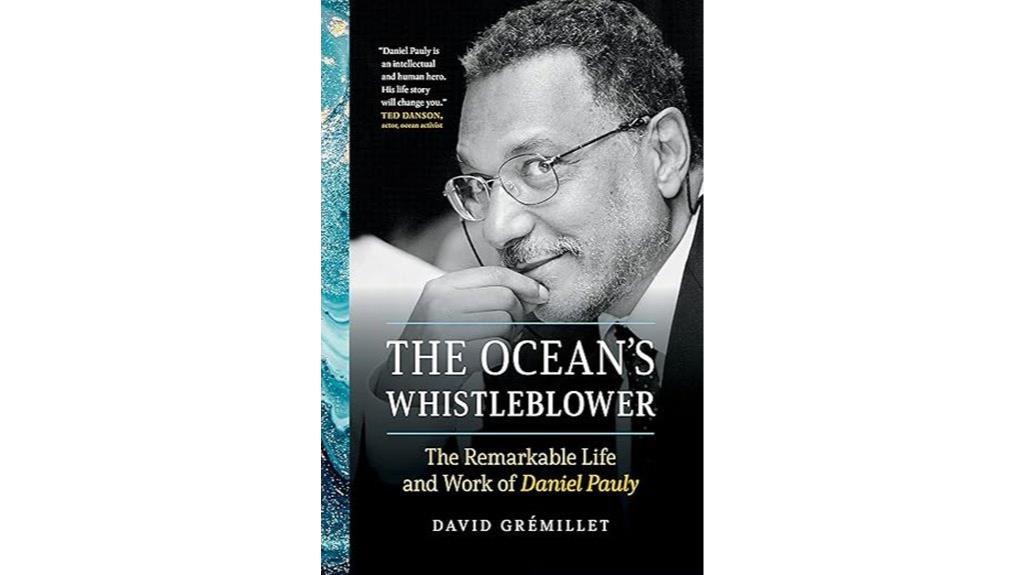
If you’re passionate about understanding the human stories behind ocean conservation, *The Oceans Whistleblower* is a must-read. It reveals Daniel Pauly’s inspiring journey from a difficult childhood to becoming a leading marine scientist. His groundbreaking work on overfishing and climate change has transformed our understanding of ocean health. Through compelling storytelling, the book highlights his dedication to protecting marine ecosystems and the importance of sustainable practices. Written by David Grémillet, it humanizes science and motivates readers to take action. This biography shows that resilience and passion can drive real change for our seas.
Best For: readers interested in marine science, ocean conservation, and inspiring personal stories of resilience and dedication.
Pros:
- Engaging and accessible storytelling that humanizes complex scientific topics
- Highlights the importance of sustainable practices and conservation efforts
- Inspires readers through Daniel Pauly’s remarkable life journey and achievements
Cons:
- May focus more on personal narrative than in-depth scientific analysis
- Some readers seeking technical details might find it less detailed in scientific methodology
- The biography’s emotional tone might not appeal to those preferring purely academic texts
Hark! A Shark! All About Sharks (The Cat in the Hats Learning Library)
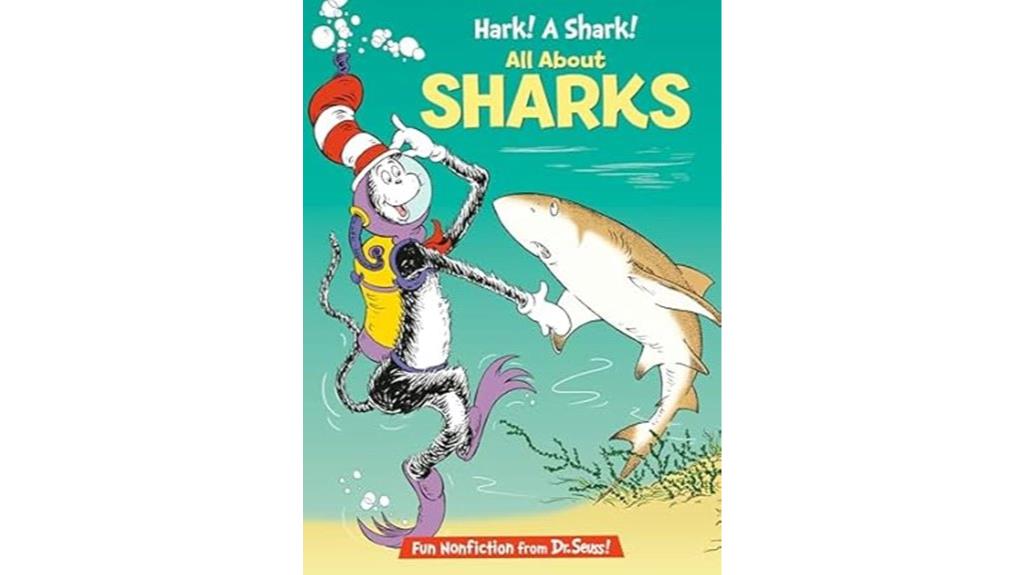
For young children who are fascinated by sharks, *Hark! A Shark! All About Sharks* is a delightful, durable hardcover that combines vibrant illustrations with fun Dr. Seuss rhymes. It teaches kids about different shark species, their body parts, and behaviors, making learning both entertaining and informative. The rhythmic storytelling keeps children engaged, perfect for bedtime or classroom reading. Designed for ages 3-5, it’s an ideal gift for shark enthusiasts, stuffed animal lovers, or beach trip companions. Many reviewers praise its quality and educational value, making it a favorite for families wanting to inspire curiosity and respect for marine life.
Best For: young children aged 3-5 who are fascinated by sharks, enjoy colorful books, and love engaging rhymes.
Pros:
- Durable hardcover with vibrant illustrations and appealing design suitable for gifting
- Combines educational facts about sharks with fun, rhythmic Dr. Seuss-style rhymes to keep children engaged
- Great for bedtime stories, classroom reading, and inspiring curiosity about marine life
Cons:
- Some young children may find the book slightly long for their attention span
- Rhyming text might be challenging for very early readers to follow independently
- As a specialized topic, it may appeal mainly to shark enthusiasts or marine life fans
Factors to Consider When Choosing Ocean Conservation Books

When choosing ocean preservation books, I consider factors like age appropriateness and scientific depth to guarantee the content suits my interests and understanding. I also look for books with engaging visuals and credible authors to enhance learning and trust. Finally, I prioritize books that emphasize real environmental issues to inspire meaningful action.
Age Appropriateness
Choosing the right ocean conservation book for a child starts with matching the content to their reading level. I look for books with language and vocabulary suited to their age—simple sentences for early readers and more detailed explanations for older children. It’s important to contemplate the complexity of scientific concepts; they should be explained in an age-appropriate way that sparks curiosity without overwhelming. Engaging visuals, like colorful illustrations or photos, help children connect with the message and stay interested. I also ensure the themes are suitable for their developmental stage, emphasizing positive actions and environmental responsibility in a relatable manner. Finally, I choose books that strike a balance between education and entertainment, making learning about oceans enjoyable and inspiring for lifelong conservation.
Scientific Depth
Selecting an ocean conservation book with the right scientific depth guarantees young readers gain a solid understanding of marine ecosystems without feeling overwhelmed. I look for titles that offer accurate, current scientific information about ocean species, processes, and environmental challenges. Books authored or reviewed by marine scientists or conservation experts ensure credibility and factual correctness. I prioritize works that explain complex topics like water cycles, ocean currents, and species behaviors in detail, helping deepen understanding. Including diagrams, data, or research findings enhances comprehension of intricate oceanographic concepts. At the same time, I make sure the book balances scientific rigor with accessibility, so advanced topics are understandable for the intended age or knowledge level. This ensures that readers are both informed and engaged.
Visual Engagement
Vivid, high-quality images and illustrations are essential features of effective ocean conservation books because they bring marine life and ecosystems to life, making complex topics more understandable and engaging. Bright photos, detailed diagrams, and maps help visual learners grasp concepts like ocean currents and reef formation, turning abstract ideas into tangible visuals. Engaging visuals evoke emotional responses, fostering empathy and inspiring action. Well-designed layouts with contrasting colors and clear organization make scientific data accessible and appealing, encouraging readers to stay interested. Incorporating real photographs and artistic illustrations makes environmental threats more concrete, emphasizing their urgency. Ultimately, compelling visuals not only educate but also deepen our connection to the ocean, motivating us to protect these crucial ecosystems.
Author Credibility
When evaluating ocean conservation books, the author’s expertise plays a crucial role in determining their reliability. An author with a background in marine science or conservation adds credibility and guarantees accurate, well-researched content. Recognized authors often have advanced degrees, research experience, or professional ties to scientific institutions, which further boosts their authority. I look for books written by reputable scientists or conservationists because they tend to include peer-reviewed data and citations, guaranteeing factual integrity. Verifying an author’s credentials through their publication history, affiliations, or contributions to marine research helps confirm their expertise. Well-established authors usually present balanced views, avoiding sensationalism and offering nuanced insights into ocean issues. Their credibility makes their work more trustworthy and inspiring.
Environmental Focus
An essential factor to consider when choosing ocean conservation books is how effectively they highlight the importance of protecting marine biodiversity and demonstrate the connection between ocean health and global ecological stability. A good book should include scientific data and real-world examples, illustrating threats like pollution, overfishing, and habitat destruction. This helps deepen awareness of how these issues impact the environment and our future. It should also promote sustainable practices and conservation strategies, empowering readers to take meaningful action. Balancing environmental concerns with inspiring stories of positive change can motivate ongoing engagement. Additionally, impactful visuals and illustrations are crucial—they make complex ecological concepts accessible and compelling for diverse audiences. Ultimately, an environmentally focused book should inform, motivate, and foster a sense of responsibility toward our oceans.
Educational Features
Choosing the right ocean conservation book involves evaluating its educational features to guarantee it delivers valuable learning opportunities. Look for books with clear learning objectives, sidebars, or highlights like “Did you know” and “Eco Tip,” which make key information stand out. Accurate scientific content is essential, so choose titles that include data, diagrams, and facts about marine ecosystems and conservation challenges. Visual aids such as photographs, illustrations, and charts support understanding and keep readers engaged. A detailed coverage of topics—like ocean biodiversity, threats, and sustainable practices—is essential for a well-rounded perspective. Additionally, materials with glossaries, references, or back matter offer avenues for further exploration, making the learning experience richer and more meaningful.
Artwork Quality
The quality of artwork in ocean conservation books plays a crucial role in engaging readers and conveying complex marine concepts effectively. Vibrant, detailed illustrations or high-resolution photographs capture the beauty and diversity of marine life, inspiring curiosity and emotional connection. Well-crafted visuals help clarify intricate topics like coral reef structures, ocean currents, and underwater habitats, making them easier to understand. Durable printing ensures these images stay sharp and colorful over time, turning the book into a lasting educational resource. Artistic consistency and aesthetic appeal create an immersive experience that draws readers in and fosters a deeper appreciation for ocean conservation. When a book features professional artwork, it not only looks attractive but also elevates its educational and inspirational impact, making it a valuable tool for all ages.
Frequently Asked Questions
How Do These Books Address Climate Change’s Impact on Oceans?
These books highlight how climate change is drastically affecting our oceans, from rising sea temperatures to coral bleaching. I find they vividly illustrate the urgent need for action, emphasizing how melting ice caps and ocean acidification threaten marine life and ecosystems. They motivate me to stay informed and get involved, showing that understanding these impacts is the first step toward meaningful conservation efforts.
Are These Books Suitable for All Age Groups?
They’re suitable for many age groups, but not all. As they say, “You’re never too young to learn,” and these books can inspire children, teens, and adults alike. I recommend choosing age-appropriate titles to guarantee the content resonates. Younger readers benefit from colorful stories and simple messages, while older audiences can dive deeper into complex issues. I suggest picking books tailored to your or your loved ones’ understanding levels.
Do They Include Practical Conservation Actions for Readers?
Yes, many of these books include practical conservation actions you can take. I found that they often suggest simple steps like reducing plastic use, supporting sustainable seafood, and participating in local clean-ups. These ideas make it easy for me to get involved and make a difference. I encourage you to look for books that not only inform but also provide actionable tips so you can contribute to protecting our oceans today.
How Accurate and Up-To-Date Is the Scientific Information?
I find the scientific accuracy in these books quite reliable, especially since most are written by experts and updated regularly. Did you know over 80% of the ocean remains unexplored? I’ve read titles that incorporate the latest research, which keeps the information fresh and relevant. It’s reassuring to trust their facts, knowing they’re grounded in current science, so you can confidently learn and take meaningful action.
Can These Books Help Inspire Policy Change or Community Efforts?
Absolutely, these books can inspire policy change and boost community efforts. I’ve seen firsthand how powerful storytelling and compelling facts motivate people to take action. When I share these stories, others become more aware of ocean issues and feel compelled to support policies or join local initiatives. They’re not just informative but also motivating, helping us all realize that collective effort can make a real difference in protecting our seas.
Conclusion
If you’re passionate about protecting our seas, these books are like guiding stars illuminating the way. They inspire action and deepen understanding, turning curiosity into commitment. Just as a lighthouse guides ships safely home, these stories can steer us toward a healthier ocean. Let these reads ignite your passion and empower you to make a difference—because every small step helps keep our blue planet vibrant and alive.