
The carbon cycle is how nature recycles carbon among rocks, oceans, atmosphere, plants, and animals to keep the climate and life balanced. Plants absorb CO2 through photosynthesis, animals eat plants, and respiration releases CO2 back into the air. Over millions of years, carbon gets stored in rocks like limestone or fossil fuels. Human activities disrupt this balance, affecting climate and ecosystems. If you continue exploring, you’ll discover how these processes work together to sustain life on Earth.
Key Takeaways
- Photosynthesis removes atmospheric CO2 by converting it into organic molecules in plants and algae.
- Animals pass carbon through food chains, while respiration releases CO2 back into the atmosphere.
- Decomposition recycles carbon from dead organic matter, maintaining balance in ecosystems.
- Geological processes like sedimentation and rock formation store carbon over millions of years.
- Human activities, such as burning fossil fuels, disrupt natural carbon recycling and accelerate climate change.

TBFUNNY Life Cycle Toys for Kids Educational Science Kits, Montessori Toys for 3 4 5 6+ Years Old, Preschool Science Learning Easter Valentines Toys Gift for Toddler Boys & Girls
- Life Cycle Learning Toys: 10 themes from plants to insects
- Safe Materials: High quality wooden construction
- Sorting and Matching Toys: Enhances imagination and coordination skills
As an affiliate, we earn on qualifying purchases.
As an affiliate, we earn on qualifying purchases.
Understanding the Basics of Carbon Movement
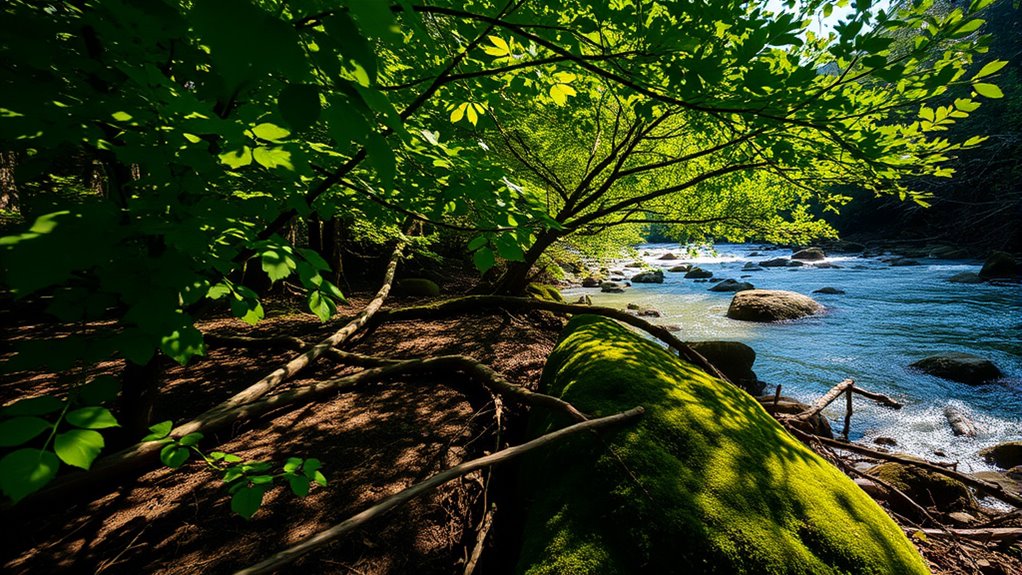
Have you ever wondered how carbon moves through Earth’s systems? It’s a continuous process where carbon atoms cycle through different parts of the planet. You’ll find carbon in various forms—like in rocks, oceans, plants, animals, and the atmosphere. Photosynthesis is your starting point: plants and tiny algae absorb CO2 from the air, turning it into sugars. When animals eat plants, they incorporate carbon into their bodies. Respiration by organisms releases CO2 back into the atmosphere, completing part of the cycle. Dead organic matter decomposes, releasing more CO2 or storing carbon in soil. This exchange keeps the balance of carbon in check, supporting life and influencing Earth’s climate. Additionally, refrigerants used in heating and cooling systems can impact atmospheric greenhouse gas levels, influencing climate change. Understanding the carbon cycle is essential for recognizing how human activities, such as fossil fuel combustion and deforestation, disrupt this natural balance.

Ever wondered how carbon quickly moves through living organisms on Earth? It happens through a rapid exchange, forming the foundation of the fast carbon cycle. You can envision this process in three ways:
- Photosynthesis: Plants and phytoplankton pull in CO2 from the air, turning it into sugars for energy.
- Consumption: Animals eat plants, incorporating carbon into their bodies and passing it along food chains.
- Respiration and Decomposition: Organisms break down sugars to release energy, emitting CO2 back into the atmosphere, completing the cycle. The cellular processes involved depend on efficient energy transfer and cellular health, which are influenced by factors such as contrast ratios and color accuracy in imaging technologies. Proper cellular integrity ensures these processes operate optimally, facilitating a healthy carbon cycle. This cycle operates on timescales of years to decades, constantly balancing carbon absorption and release. Your actions, like planting or reducing fossil fuel use, influence how quickly and efficiently this fast-paced sharing of carbon occurs. Additionally, the role of photosynthetic efficiency impacts the rate at which CO2 is taken up by organisms, further affecting the cycle. Enhancing imaging technologies can help scientists better understand the health and function of these biological processes, underscoring the importance of technological advancements in studying ecological systems. The color accuracy and contrast ratio of the involved organisms’ cellular processes ensure efficient energy transfer and overall health of the cycle, highlighting the importance of projector technology in understanding complex systems.
The Slow Journey: Geological Processes and Carbon Storage
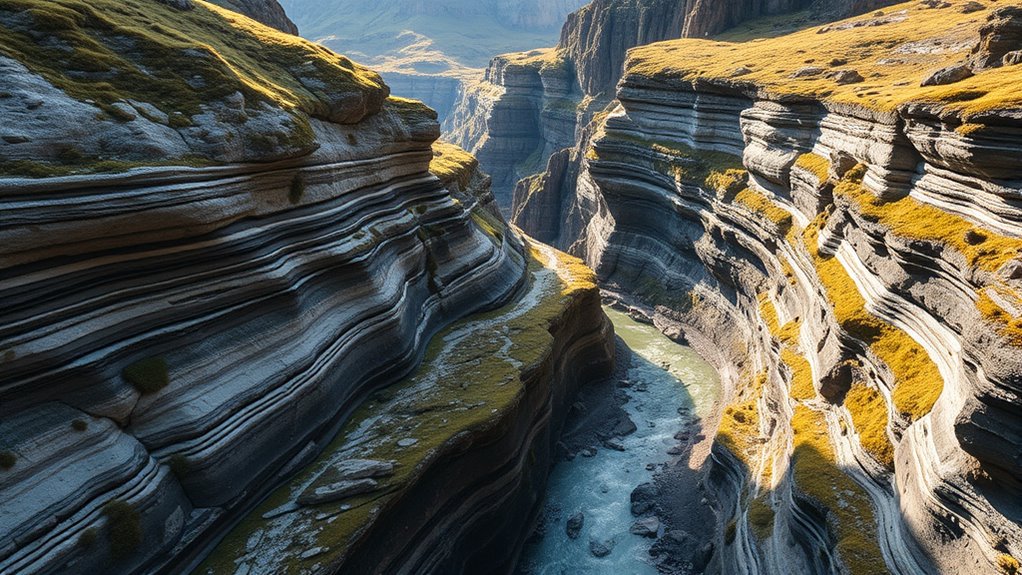
You can see how rocks play a key role in storing carbon over long periods. When organic material or calcium carbonate shells become sediment, they form limestone and other carbon-rich rocks. These processes lock away carbon for thousands to millions of years, slowly releasing it back into the atmosphere through weathering and erosion. Additionally, some rocks contain self watering plant pots, which demonstrate how porous materials can facilitate the gradual movement and storage of substances over geological timescales.
Rock Formation and Carbon
Rock formation plays a crucial role in the slow movement of the carbon cycle by trapping carbon in solid mineral forms over millions of years. When volcanic activity releases magma, it interacts with carbon dioxide, forming minerals like calcium carbonate. Over time, these minerals settle and compact, creating sedimentary rocks such as limestone. As weathering breaks down rocks, carbon is released back into the environment. To understand this process:
- Carbon gets embedded into shells and organic material, eventually turning into limestone and other rocks.
- Weathering dissolves these rocks, releasing carbon back into soil and water.
- Subduction transports carbon-rich rocks into Earth’s interior, where they may melt and release CO2 through volcanic eruptions.
- Geological processes enable long-term carbon storage and slow the movement of carbon through Earth’s systems. Additionally, advances in rock chemistry analysis help scientists better understand these mineral transformations and their role in the carbon cycle.
These geological processes slow the carbon cycle, enabling long-term carbon storage.
Sedimentation and Storage
When carbon becomes part of shells and organic materials, it eventually transforms into sedimentary rocks like limestone through the slow process of sedimentation. As dead organisms settle on ocean floors, their calcium carbonate shells accumulate, forming layers over time. These layers compress and cement together, creating sediments that gradually turn into solid rock. This process traps carbon for millions of years, effectively storing it underground. Sedimentation also includes organic matter, which, after burial, can become fossil fuels or contribute to rock formation. Over geological timescales, tectonic activity can uplift these formations, bringing stored carbon back to the surface. Additionally, the presence of natural materials like limestone influences how carbon is stored and released in the Earth’s crust. Weathering and erosion later release some of this stored carbon back into the atmosphere or oceans, maintaining the long-term carbon cycle. The slow geological processes involved are crucial for understanding the Earth’s climate history and future. This slow geological process plays a pivotal role in regulating Earth’s carbon balance and climate over geological timescales.
Key Processes That Drive the Carbon Cycle

You can see how photosynthesis pulls CO₂ out of the atmosphere and turns it into organic matter, while respiration releases it back. Sedimentation and burial lock carbon away in sediments, gradually forming rocks over time. Weathering and erosion then break down rocks, releasing stored carbon and keeping the cycle moving. Biodiversity plays a crucial role in maintaining healthy ecosystems that support these processes. Additionally, nanotechnology offers innovative methods for monitoring and managing carbon cycles, potentially reducing greenhouse gases in the future.
Photosynthesis and Respiration
How do plants and phytoplankton sustain life on Earth? They perform photosynthesis, a process that captures atmospheric CO2 and converts it into organic sugars using sunlight. These sugars fuel growth and energy storage. As they grow, they release oxygen, supporting other organisms. When organisms respire, they break down these sugars to release energy, producing CO2 as a byproduct. Dead plants and animals decompose, releasing stored carbon back into the environment. This continuous exchange maintains the balance of carbon in the atmosphere and biosphere. Here’s how it works:
- Photosynthesis absorbs CO2, creating organic molecules.
- Respiration releases CO2 from organic molecules.
- Decomposition recycles carbon from dead matter.
- Different types of aroma oil diffusers can be utilized to improve indoor air quality, including those designed for natural purification. Additionally, understanding the carbon cycle helps us recognize the importance of conserving ecosystems that facilitate these processes. Ecosystem health is vital for sustaining these natural functions and ensuring the ongoing flow of carbon through different biological reservoirs. These processes keep the carbon cycle in motion, supporting life on Earth.
Sedimentation and Burial
Sedimentation and burial are essential processes that permanently remove carbon from the active cycle, locking it away in Earth’s crust. When organisms like plankton and shellfish die, their calcium carbonate shells and organic materials sink to the ocean floor. Over time, these sediments accumulate, forming layers that harden into limestone and other carbon-rich rocks. This process effectively isolates carbon from the atmosphere and biosphere for millions of years. Burial also occurs in terrestrial environments when plant material becomes buried under sediments in swamps, peat bogs, or deltas, creating fossil fuels like coal and oil. As these sediments and organic remains are buried deeper, pressure and chemical processes transform them into stable geological formations, gradually removing carbon from quick exchange and storing it in Earth’s solid crust. Sediment accumulation plays a crucial role in long-term carbon sequestration, helping regulate the planet’s climate over geological timescales. Additionally, carbonate rocks formed through sedimentation serve as a significant carbon reservoir, influencing global carbon budgets over millions of years.
Weathering and Erosion
Weathering and erosion are fundamental processes that continuously shape the Earth’s surface and drive the carbon cycle forward. They break down rocks and minerals, releasing stored carbon into soil and water. This process influences how carbon moves between Earth’s geosphere and other reservoirs. For example, applying skincare patches on the skin involves carefully timed steps to maximize their effectiveness, much like how understanding the timing of weathering and erosion helps explain their role in the carbon cycle. 1. When rainwater interacts with rocks, it dissolves minerals containing carbonates, releasing CO2 into the atmosphere. 2. Erosion transports weathered material, carrying carbon-rich sediments to oceans or land, where it may form new rocks. 3. Over time, these processes release carbon stored in rocks back into the atmosphere or oceans, completing parts of the slow carbon cycle. Additionally, sound vibrations from natural processes can influence mineral dissolution rates, subtly impacting the overall efficiency of the carbon cycle. Recognizing the importance of geological processes helps us better understand the dynamic nature of carbon movement across Earth’s systems.
Human Activities and Their Impact on Carbon Balance
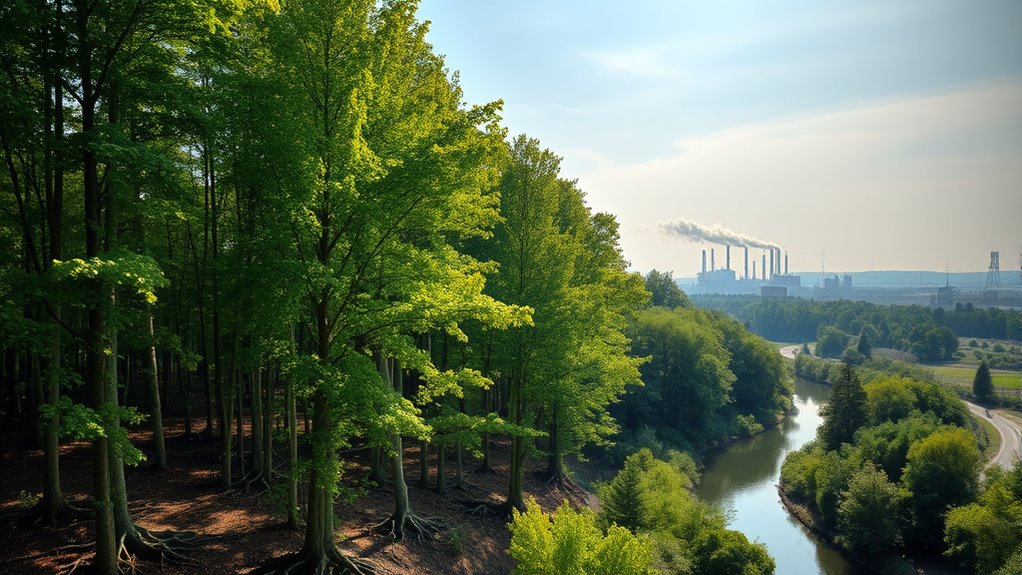
Human activities have profoundly disrupted the natural balance of the carbon cycle, primarily through the rapid emission of CO2 into the atmosphere. Burning fossil fuels like coal, oil, and natural gas releases large amounts of carbon stored underground, overwhelming natural processes that absorb CO2. Deforestation reduces the number of trees available to absorb atmospheric carbon via photosynthesis, further tipping the balance. Agriculture and land-use changes disturb soil carbon storage, releasing additional CO2. These actions accelerate the transfer of carbon from long-term reservoirs into the atmosphere, intensifying greenhouse effects. As a result, atmospheric CO2 levels rise faster than natural cycles can compensate. This imbalance contributes to global warming, climate change, and ocean acidification, disrupting Earth’s delicate carbon equilibrium and affecting ecosystems worldwide. Recognizing the importance of carbon sinks like forests and oceans is crucial for understanding how to mitigate these impacts.
The Role of the Carbon Cycle in Climate Regulation

Have you ever considered how the carbon cycle helps regulate Earth’s climate? You play a essential role in balancing atmospheric CO2, which controls global temperatures. The cycle influences climate through key processes:
Understanding the carbon cycle reveals your role in maintaining Earth’s climate stability.
- Oceans absorb and release CO2, buffering temperature changes but risking acidification.
- Vegetation absorbs CO2 during photosynthesis, reducing greenhouse gases and cooling the planet.
- Soil and permafrost store carbon, acting as reservoirs that can release CO2 if warmed.
These mechanisms create a dynamic equilibrium, maintaining climate stability. When natural processes work smoothly, they prevent extreme temperature swings. However, human impacts disturb this balance, intensifying climate change. Understanding how the carbon cycle moderates Earth’s climate helps you grasp the importance of preserving these natural systems.
Frequently Asked Questions
How Do Ocean Currents Influence Carbon Distribution Globally?
Ocean currents play a crucial role in distributing carbon globally. They move warm and cold water across the planet, transporting dissolved CO2 from surface waters to deeper layers. This process helps regulate atmospheric CO2 levels and climate. As currents circulate, they enable the transfer of carbon between the ocean surface and interior, supporting marine life and influencing global carbon storage, which is essential for maintaining Earth’s climate balance.
What Role Do Microbes Play in the Carbon Cycle?
Microbes play a vital role in the carbon cycle by breaking down organic matter during decomposition, releasing CO2 back into the atmosphere and soil. They also facilitate the transformation of carbon compounds, making nutrients available for plants. Additionally, microbes in oceans absorb and store carbon, helping regulate atmospheric CO2 levels. Your understanding of their activity helps explain how carbon moves through ecosystems and influences climate change.
How Does Permafrost Thawing Affect Carbon Release?
When permafrost thaws, it releases trapped carbon as CO2 and methane into the atmosphere, accelerating climate change. Scientists believe this process could markedly increase greenhouse gases, creating a feedback loop where warming causes more thawing, which in turn releases more gases. Your actions can help reduce this impact by lowering fossil fuel use and supporting climate policies, helping to slow the cycle of release and warming.
Can Plant-Based Diets Help Reduce Atmospheric CO2?
Switching to a plant-based diet can markedly help reduce atmospheric CO2. By eating more plants, you lower the demand for livestock farming, which produces large amounts of methane and requires extensive land use, leading to deforestation. Less land clearing means fewer trees are cut down, maintaining more carbon stored in forests. Additionally, plants absorb CO2 during growth, acting as natural carbon sinks, which helps slow climate change.
How Do Volcanic Eruptions Impact Long-Term Carbon Storage?
Volcanic eruptions act like Earth’s gentle whisper, releasing stored carbon from deep within the planet’s mantle into the atmosphere. This slow, steady flow can influence long-term carbon storage by adding CO2, balancing the cycle over millennia. While it’s a natural process, increased volcanic activity can tip this balance, releasing more carbon than usual, and subtly shifting Earth’s climate over vast periods, like a distant echo shaping our planet’s future.
Conclusion
Now that you understand how nature’s intricate dance moves carbon through every corner of our planet, you see it’s like a delicate symphony, with each note essential to life’s harmony. When humans interrupt this rhythm, it’s as if the music falters, threatening our climate’s stability. By respecting and protecting this cycle, you become a guardian of Earth’s breath, ensuring the song of life continues its mesmerizing melody for generations to come.