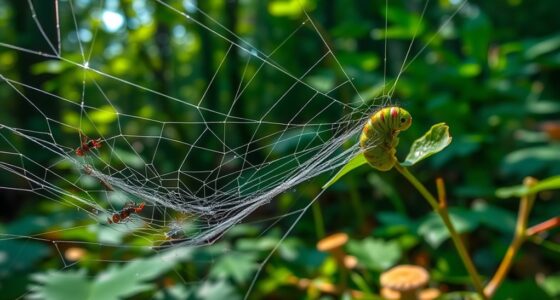
Biotic homogenization is when ecosystems around the world become more similar because invasive species spread and displace native plants and animals. This process reduces the unique biodiversity of each habitat, creating landscapes that look alike. Invasive species often outcompete native species, weakening ecosystems and making them less resilient to disturbances. As a result, native wildlife struggles to survive, and natural diversity diminishes. If you’d like to understand how this affects ecosystems further, there’s more to explore below.

Prime made for students and young adults
- Fast, free delivery for dorm and study essentials
- Prime Video and Amazon Music included
- Member-only deals
Key Takeaways
- Biotic homogenization is the process where ecosystems become increasingly similar globally.
- It results from the spread of invasive species displacing native ones.
- The phenomenon reduces biodiversity and erodes unique regional ecosystems.
- Invasive species outcompete native species, decreasing ecosystem resilience.
- Overall, it leads to landscapes that look alike and lose ecological diversity.
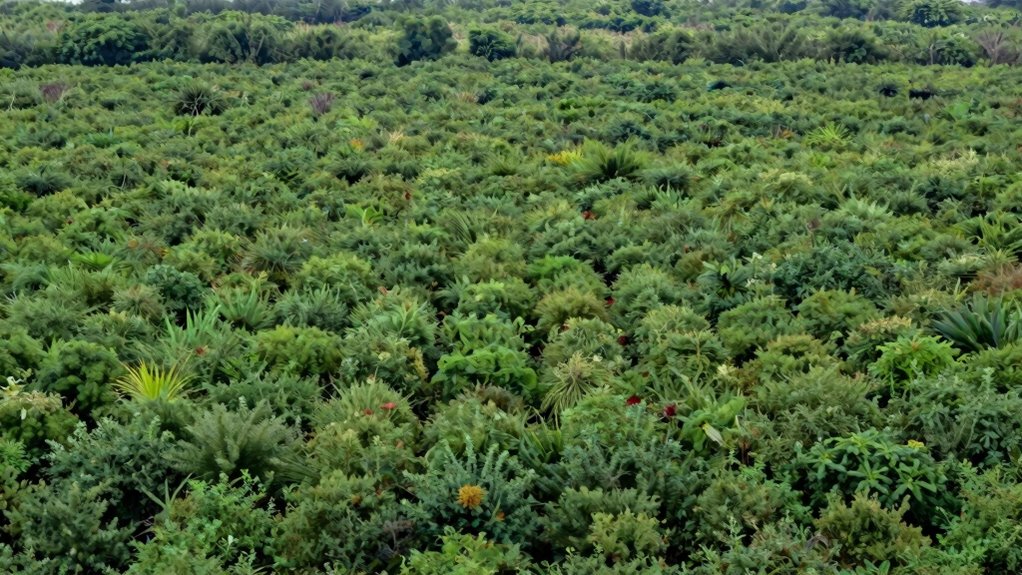
Have you ever wondered why many ecosystems around the world are increasingly similar? This phenomenon, known as biotic homogenization, occurs when distinct habitats begin to lose their unique species and become more alike in their biological makeup. One of the main drivers behind this process is the spread of invasive species—plants, animals, or microbes that are introduced to new areas outside their native range. These invasive species often outcompete and displace native ones, reducing local biodiversity and leading to communities that look increasingly similar across different regions. As a result, the natural variety that once characterized ecosystems diminishes, and the landscape becomes more uniform.
Invasive species reduce biodiversity and make ecosystems more similar worldwide.
When invasive species establish themselves, they often alter the balance within an ecosystem, impacting ecosystem resilience—the ability of an environment to recover from disturbances. Native species are usually better adapted to local conditions and can support the stability of their habitats. However, invasive species tend to be more aggressive, rapidly spreading and dominating resources like food, space, and nutrients. This dominance weakens the resilience of the native ecosystem, making it more vulnerable to further disturbances such as climate change, disease, or human activity. Over time, this decreased resilience means the ecosystem is less capable of bouncing back after disruptions, further accelerating the homogenization process.
As invasive species become more prevalent, they tend to create a “one-size-fits-all” scenario where ecosystems across the globe start to resemble each other. For example, the introduction of a few hardy plant species might transform diverse native plant communities into more uniform landscapes dominated by a handful of invasive plants. This shift makes it difficult for native wildlife, which often relies on specific plants or habitats, to survive or thrive. The loss of these specialized relationships contributes further to biotic homogenization, eroding the uniqueness of regional ecosystems.
In essence, biotic homogenization is a concerning trend because it reduces ecological diversity, weakens ecosystem resilience, and diminishes the natural beauty and functionality of our planet’s habitats. By understanding how invasive species contribute to this process, you can see why managing their spread is crucial. Protecting native species and maintaining the integrity of diverse ecosystems helps preserve the resilience and uniqueness of the natural world. Without concerted efforts, the world risks becoming a landscape of sameness—less rich, less resilient, and less capable of supporting the myriad forms of life that make Earth so vibrant.
invasive species management tools
As an affiliate, we earn on qualifying purchases.
As an affiliate, we earn on qualifying purchases.
Frequently Asked Questions
How Does Biotic Homogenization Affect Local Ecosystems?
Biotic homogenization impacts your local ecosystems by reducing genetic diversity, making them less resilient to changes and threats. When invasive species take hold, they outcompete native plants and animals, leading to more uniform ecosystems. This process diminishes unique local adaptations and disrupts ecological balance. As a result, your environment becomes less diverse, which can affect everything from food sources to habitat stability, ultimately weakening ecosystem health and functionality.
Which Species Are Most Commonly Involved in Homogenization?
Invasive species often lead the list, showcasing a swift spread that stifles native diversity. These daring invaders dominate landscapes, causing genetic mixing that homogenizes habitats. Common culprits include plants like kudzu and animals like zebra mussels, which thrive in new environments. By outcompeting local species, they create uniform ecosystems, making it hard for native flora and fauna to flourish, ultimately erasing unique biological identities and reducing ecological resilience.
Can Biotic Homogenization Be Reversed?
Biotic homogenization can be reversed, but it’s challenging. You can help restore genetic diversity by protecting native species and habitats, which boosts ecosystem resilience. Efforts like controlling invasive species and reintroducing native plants and animals support recovery. While complete reversal isn’t always possible, active conservation actions improve ecosystem health over time, fostering resilience and diversity. Your involvement in these efforts makes a difference in combating homogenization’s effects.
How Does Human Activity Contribute to Biotic Homogenization?
You contribute to biotic homogenization through activities like urban expansion, which replaces diverse habitats with uniform ones, and introducing invasive species that outcompete native wildlife. Studies show that nearly 50% of plant species in some regions are now invasive, reducing native biodiversity. Your actions, such as landscaping or travel, can unintentionally spread these species, further blending ecosystems globally and decreasing the unique biological makeup of local environments.
What Are the Long-Term Ecological Consequences of Homogenization?
You might not realize it, but biotic homogenization can weaken ecosystems over time. As species become more similar across regions, genetic diversity drops, making ecosystems less adaptable to changes. This reduced resilience means you’ll see more vulnerable habitats and increased extinction risks. Long-term, this homogenization threatens ecological balance, diminishing nature’s ability to recover from disturbances and affecting the services ecosystems provide, like clean water and air.
Conclusion
Imagine the world’s ecosystems as a vibrant tapestry, each thread unique and essential. When biotic homogenization occurs, it’s like someone’s tugging at those threads, blending colors into a dull, monotonous fabric. You can help preserve this intricate design by supporting conservation efforts and protecting native species. Every action you take is like adding a splash of color back into the tapestry, ensuring our planet remains a rich, diverse masterpiece rather than a faded, uniform canvas.
Halloween Picks
halloween
As an affiliate, we earn on qualifying purchases.