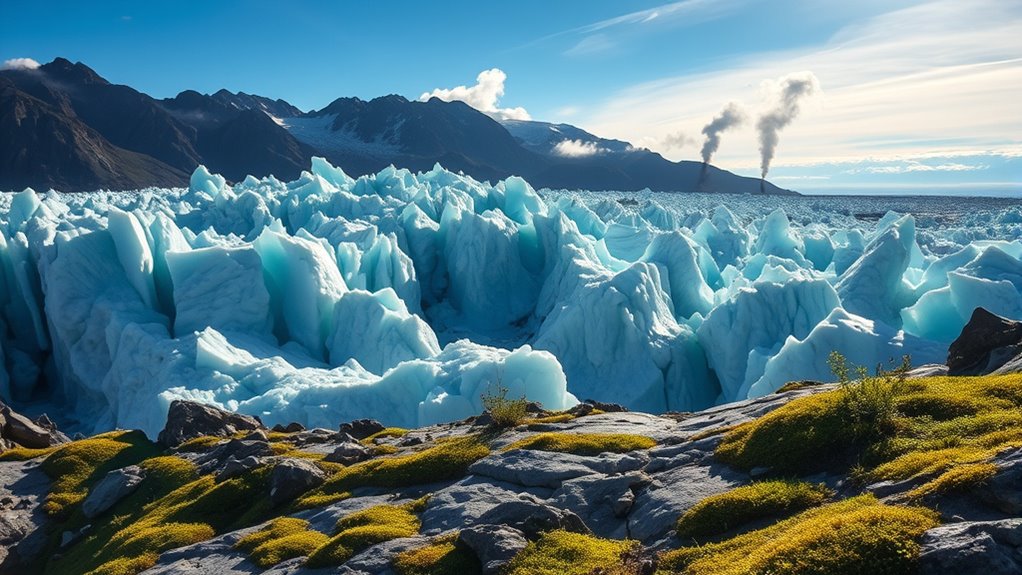

Climate change happens when human activities like burning fossil fuels and cutting down forests release greenhouse gases, trapping heat and warming the planet. Over time, temperatures have risen nearly 1°C, causing ice to melt, sea levels to rise, and extreme weather to become more common. Natural factors also play a role, but human actions are the biggest influence. If you want to understand what’s happening and how it affects us all, keep exploring these important basics.
Key Takeaways
- Climate refers to long-term atmospheric patterns, while weather describes short-term conditions; understanding both is essential for grasping climate change.
- Human activities like burning fossil fuels, deforestation, and agriculture increase greenhouse gases, driving global warming.
- Scientific evidence shows Earth’s temperature has risen nearly 1°C since the 19th century, causing melting ice, rising sea levels, and extreme weather.
- Future climate projections indicate temperatures may rise by 1.5°C if emissions aren’t reduced, leading to more unpredictable and severe impacts.
- Addressing climate change benefits everyone by protecting ecosystems, ensuring resource sustainability, and safeguarding future generations.

Climate Change Simplified: A Comprehensive Guide to Global Warming and Sustainable Living with 101 Essential Tips for a Greener Future and Reduced Carbon Footprint (Climate Consciousness Series)
As an affiliate, we earn on qualifying purchases.
As an affiliate, we earn on qualifying purchases.
Understanding Climate and Its Difference From Weather

Understanding the difference between climate and weather is essential because they describe different aspects of the atmosphere. Weather refers to short-term atmospheric conditions like temperature, humidity, precipitation, and wind that you experience daily. It can change from hour to hour or day to day. Weather patterns are constantly shifting, making it challenging to predict specific conditions in the short term. Climate, on the other hand, describes long-term patterns and averages of weather over extended periods—typically 30 years or more. Think of climate as the atmosphere’s personality, shaping regional and global conditions over decades. While weather fluctuates unpredictably, climate reflects the overall trends and stability of atmospheric conditions. Recognizing this distinction helps you understand how localized weather events relate to broader climate shifts and why long-term changes, not daily variations, define climate change. A thorough understanding of projector contrast ratio can also help illustrate how visual quality impacts our perception of climate-related images and data. Understanding climate variability can further clarify how short-term fluctuations fit within long-term climate trends. Additionally, appreciating the impact of human activities on climate helps contextualize these patterns within ongoing environmental changes.

Clear Plastic Straws 200 Bulk Pack. Reduce Your Carbon Footprint With a Compostable, Plant-Based, Eco-Friendly Drinking Straw! Individually Wrapped, Proudly USA-Grown and No Petroleum!
JUST AS DURABLE AS PLASTIC STRAWS. You don't have to sacrifice quality to be eco-friendly. These drinking straws…
As an affiliate, we earn on qualifying purchases.
As an affiliate, we earn on qualifying purchases.
Major Causes of Climate Change: Human Activities and Natural Factors

While natural factors like volcanic eruptions and changes in solar radiation influence Earth’s climate over long periods, the dominant drivers of recent climate change are human activities. Since the Industrial Revolution, burning fossil fuels has released vast amounts of carbon dioxide and other greenhouse gases, trapping more heat in the atmosphere. This human influence has caused most of the observed warming since the 1950s, with over 95% certainty among scientists. Natural factors such as volcanic activity or solar variations can impact climate temporarily but don’t explain the rapid warming we see today. Internal variability, like ocean cycles, also plays a role, yet it’s overwhelmed by human-induced emissions. Human activities remain the primary force behind the significant changes in Earth’s climate over the past century. Additionally, fraud detection techniques like machine learning algorithms and real-time monitoring systems are continually evolving to counter financial crimes, highlighting the importance of adapting strategies to emerging threats. For example, advances in climate modeling and emission tracking help scientists better understand and project future climate scenarios. Recognizing the influence of greenhouse gases underscores the urgent need for mitigation efforts. Moreover, improving climate data accuracy is essential for effective policy-making and climate resilience planning.

The AI Visionary Who Walked Away: Why Yan LeCun’s Exit Marks a Turning Point in Artificial Intelligence (Gadgets, AI, robotic and renewable energy)
As an affiliate, we earn on qualifying purchases.
As an affiliate, we earn on qualifying purchases.
Evidence of Climate Change: What the Data Shows

What does the data reveal about climate change? It clearly shows that Earth’s temperature is rising, with global land and ocean temperatures increasing markedly since the late 19th century. Satellite measurements and weather records confirm a warming of about 0.98°C by 2019, and this trend accelerates over time. Sea levels are rising at an unprecedented rate, tracked through tide gauges and satellites, indicating melting ice sheets and glaciers. Ice loss from the Arctic, Antarctic, and mountain glaciers has accelerated, contributing to sea level rise. These changes are consistent with climate change indicators observed worldwide. Additionally, precious metals investment trends can serve as a hedge against economic instability caused by climate-related disruptions. The increasing rate of ice melt and sea level rise underscores the urgency of addressing climate change mitigation efforts worldwide. Advances in machine learning tech are being utilized to improve climate modeling and prediction accuracy, which is vital for effective response strategies. For example, data analysis techniques help scientists understand complex climate patterns and improve forecasting models.

PLAYSTEM Space Weather Station Water Cycle Simulation Learning Kit-Climate Change, Global Warming, Lab – STEM Toys Educational Gift for Kids & Teens, Girls & Boys
【COMPLETE DIY KIT】This kit includes various weather intruments: a thermometer, an anemometer, a compass, a weather vane and…
As an affiliate, we earn on qualifying purchases.
As an affiliate, we earn on qualifying purchases.
How Much the Climate Has Warmed and What the Future Holds

How much has the climate actually warmed, and what can we expect in the future? Since the late 19th century, global temperatures have increased by about 1°C, primarily due to human activities. If we don’t cut emissions, temperatures could rise by 1.5°C between 2030 and 2050. This warming leads to melting glaciers, rising sea levels, and more extreme weather events. Envision this:
| Past Climate | Future Climate |
|---|---|
| Cooler, stable | Hotter, unpredictable |
| Ice-covered | Ice melting, seas rising |
| Mild storms | Intense hurricanes |
This ongoing trend shows that our planet is warming rapidly, and without action, future conditions will be more severe, affecting ecosystems and communities worldwide. Recognizing the importance of space optimization in our daily lives can help us better manage resources and reduce waste, contributing to sustainability efforts. Additionally, understanding the rate of climate change can motivate more urgent action to mitigate its impacts. The rate of warming varies across different regions, highlighting the need for localized strategies in climate adaptation. Moreover, tracking climate variability helps scientists predict future climate patterns and prepare accordingly. As the climate continues to change, understanding climate feedback mechanisms becomes crucial for developing effective mitigation strategies.
The Role of Greenhouse Gases and Emissions
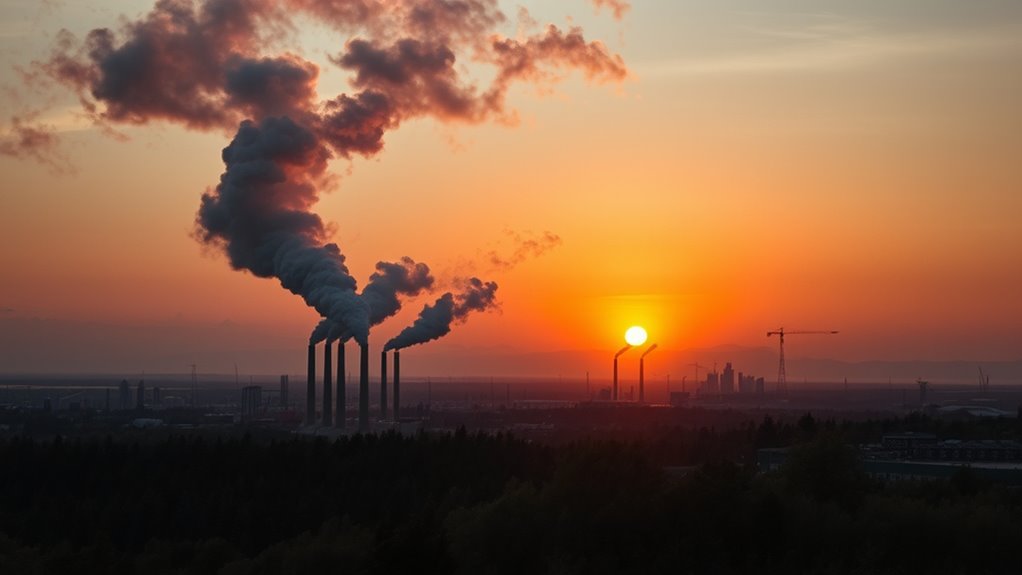
Greenhouse gases, mainly from burning fossil fuels, trap heat in Earth’s atmosphere and drive global warming. Your actions, like energy use and transportation choices, directly influence these emissions. Understanding their sources and impacts helps you see how they shape our climate system. Cooking methods, such as preparing foods that require less energy, can also contribute to reducing overall emissions. Additionally, adopting sustainable practices in daily life can significantly lower your carbon footprint. Implementing renewable energy sources like solar and wind power can further decrease reliance on fossil fuels and help mitigate climate change. As research progresses, AI technologies are increasingly being utilized to model climate scenarios and optimize strategies for emission reductions, highlighting the potential of AI in climate science. Implementing trailer music techniques like building tension and dynamic contrasts can metaphorically reflect the importance of balancing energy consumption and environmental impact.
Greenhouse Gas Sources
Have you ever wondered where the excess greenhouse gases in the atmosphere come from? Most come from human activities, especially the burning of fossil fuels like coal, oil, and natural gas. When you drive a car, use electricity, or heat your home, you’re likely contributing to emissions of carbon dioxide (CO₂). Agriculture and livestock produce methane, a potent greenhouse gas. Deforestation reduces plants that absorb CO₂, increasing its presence in the atmosphere. Industrial processes release various gases, including nitrous oxide. Waste management, landfills, and certain manufacturing activities also add to greenhouse gas levels. These sources have intensified since the Industrial Revolution, considerably boosting atmospheric concentrations and driving climate change. Additionally, activities such as waterproofing camper canvas and other outdoor maintenance practices can unintentionally contribute to emissions if not managed sustainably. Understanding where these gases originate helps us target efforts to reduce emissions and limit global warming.
Emissions and Global Warming
Human activities have substantially increased the concentration of greenhouse gases in the atmosphere, which directly drives global warming. When you burn fossil fuels like coal, oil, and natural gas, you release carbon dioxide and other gases that trap heat. This enhances the natural greenhouse effect, raising Earth’s temperature. To visualize this, consider the table below:
| Greenhouse Gas | Main Sources | Effect on Warming |
|---|---|---|
| Carbon Dioxide | Fossil fuel combustion, deforestation | Primary driver of recent climate change |
| Methane | Agriculture, landfills, fossil fuels | More potent but shorter-lived |
| Nitrous Oxide | Agriculture, industry | Contributes substantially |
| Fluorinated Gases | Industrial processes, refrigeration | Trap heat effectively |
These emissions cause global temperatures to rise, leading to more extreme weather and melting ice.
Impact on Climate System
Ever wondered how greenhouse gases influence Earth’s climate system? These gases, like carbon dioxide and methane, trap heat in the atmosphere, creating a natural greenhouse effect that keeps our planet warm enough to support life. However, human activities, especially burning fossil fuels, have markedly increased greenhouse gas levels, intensifying this effect. This extra heat leads to global warming, which disrupts the climate system’s balance. As temperature rises, we see melting ice caps, rising sea levels, and more extreme weather events. The increased greenhouse gases also alter atmospheric and oceanic circulation patterns, affecting weather and climate worldwide. Fundamentally, human emissions have amplified the natural greenhouse effect, driving climate shifts that impact ecosystems, economies, and communities globally.
Monitoring Climate Change: Tools and Techniques

Monitoring climate change relies on a diverse array of tools and techniques that collect, analyze, and interpret data from multiple sources. You’ll use ground-based weather stations to track temperature, humidity, and precipitation. Satellites provide global coverage, capturing changes in ice cover, sea levels, and vegetation. Ocean buoys monitor sea temperatures and currents, offering insight into oceanic impacts. Ice cores and tree rings act as natural recorders of past climate conditions, helping you understand long-term trends. Computer models simulate climate systems, predicting future changes based on current data. You’ll also analyze volcanic activity, solar variations, and Earth’s orbit to distinguish natural influences. Combining these methods gives a thorough picture of climate dynamics, allowing scientists to detect shifts, verify trends, and forecast future scenarios.
Why Addressing Climate Change Matters for Everyone

You play a crucial role in protecting the future for yourself and generations to come. Addressing climate change helps maintain global stability, preventing extreme weather and resource shortages. By taking action now, you contribute to a safer, more sustainable world for everyone.
Protecting Future Generations
Why should protecting future generations from climate change matter to everyone? Because their lives, health, and opportunities depend on the choices we make today. If we don’t act now, we’ll leave them with a planet facing increased extreme weather, rising sea levels, and disrupted ecosystems. These changes threaten their access to clean water, safe food, and stable communities. By reducing emissions and adopting sustainable practices, you help ensure a safer, healthier environment for children and grandchildren. Addressing climate change now also prevents the economic and social instability that comes with climate disasters. Your actions today shape the world they’ll inherit. Protecting future generations isn’t just an act of kindness; it’s a responsibility that impacts everyone’s well-being tomorrow.
Ensuring Global Stability
Addressing climate change is essential for maintaining global stability because the impacts of unchecked warming threaten economic, social, and political systems worldwide. If we fail to act, you could face increased food and water shortages, displacement from rising sea levels, and heightened conflicts over resources. These disruptions can lead to:
- Mass migrations and refugee crises that destabilize nations
- Economic collapse due to damaged infrastructure and agriculture
- Rising tensions and conflicts fueled by resource scarcity
Frequently Asked Questions
How Does Climate Change Affect Biodiversity and Ecosystems Worldwide?
You might notice that climate change disrupts biodiversity and ecosystems worldwide by altering habitats, causing species migration, and increasing extinction risks. As temperatures rise, plant and animal communities struggle to adapt, leading to loss of biodiversity. You’ll see more frequent wildfires, droughts, and storms, which damage ecosystems. This imbalance affects food chains, pollination, and ecosystem services you rely on, ultimately threatening the health and resilience of the planet’s natural systems.
What Are the Economic Impacts of Climate Change on Communities?
Imagine climate change as a storm battering your community’s economy. It disrupts industries like agriculture, tourism, and fisheries, leading to job losses and lower incomes. Increased disaster frequency raises costs for rebuilding, insurance, and healthcare. Infrastructure damage hampers growth, while resource scarcity fuels conflicts. These economic shocks ripple through families and local businesses, making it harder to thrive in a changing world. Adaptation and mitigation efforts become essential to weather this economic storm.
Can Individual Actions Significantly Reduce Global Greenhouse Gas Emissions?
Yes, your individual actions can markedly reduce global greenhouse gas emissions. When you conserve energy by using efficient appliances, switch to renewable energy sources, reduce waste, and choose sustainable transportation options, you lower your carbon footprint. These small changes add up, influencing others and encouraging broader community efforts. By making conscious choices daily, you contribute to the global effort to mitigate climate change and help create a healthier planet for everyone.
How Do Climate Policies Vary Across Different Countries?
You’ll notice that climate policies vary across countries based on their priorities, resources, and priorities. Some nations prioritize renewable energy investments, while others focus on reducing emissions from industry or transportation. You’ll see policies that promote innovation, enforce regulations, or provide incentives. These differences reflect each country’s unique circumstances and goals, but all aim to reduce greenhouse gases, adapt to climate impacts, and promote sustainable development worldwide.
What Technological Innovations Are Being Developed to Combat Climate Change?
You can support innovations like renewable energy tech, such as advanced solar panels and wind turbines, which make clean energy more affordable. Electric vehicles are improving, reducing reliance on fossil fuels. Smart grids optimize energy use, while carbon capture technologies trap emissions from industries. Investing in green infrastructure and research accelerates progress. By adopting these innovations, you help reduce greenhouse gases and build a sustainable future.
Conclusion
Just like the hero in a story, you hold the power to change our fate. Understanding climate change is your first step—think of it as your call to action. By reducing emissions and staying informed, you become part of the legend that fights for a healthier planet. Remember, every small act adds up—like a ripple in a pond, shaping a future where nature and humanity thrive together. The choice is yours; the time is now.