
Predator-prey dynamics are a constant evolutionary race where both sides adapt to survive. Prey develop quick escapes, camouflage, and defenses, while predators sharpen senses, grow stronger, and refine hunting tactics. These interactions influence populations, ecosystem stability, and biodiversity. Factors like body size, habitat diversity, and resource availability shape this balance. Understanding these complex relationships reveals how nature maintains harmony, and exploring further uncovers the fascinating strategies behind this perpetual ecological dance.

Prime made for students and young adults
- Fast, free delivery for dorm and study essentials
- Prime Video and Amazon Music included
- Member-only deals
Key Takeaways
- Predator and prey continuously adapt through physical, behavioral, and physiological changes, creating an ongoing evolutionary “arms race.”
- Population sizes fluctuate based on resource availability, predation pressure, and environmental factors, maintaining ecological balance.
- Predators develop traits like sharper senses and faster movement to effectively hunt, while prey evolve escape and camouflage strategies.
- Habitat diversity and terrain influence predator-prey interactions, affecting survival tactics and ecosystem stability.
- These dynamic interactions regulate species populations, preventing overgrowth or extinction, thus sustaining biodiversity.
As an affiliate, we earn on qualifying purchases.
The Reciprocal Nature of Evolution in Predators and Prey
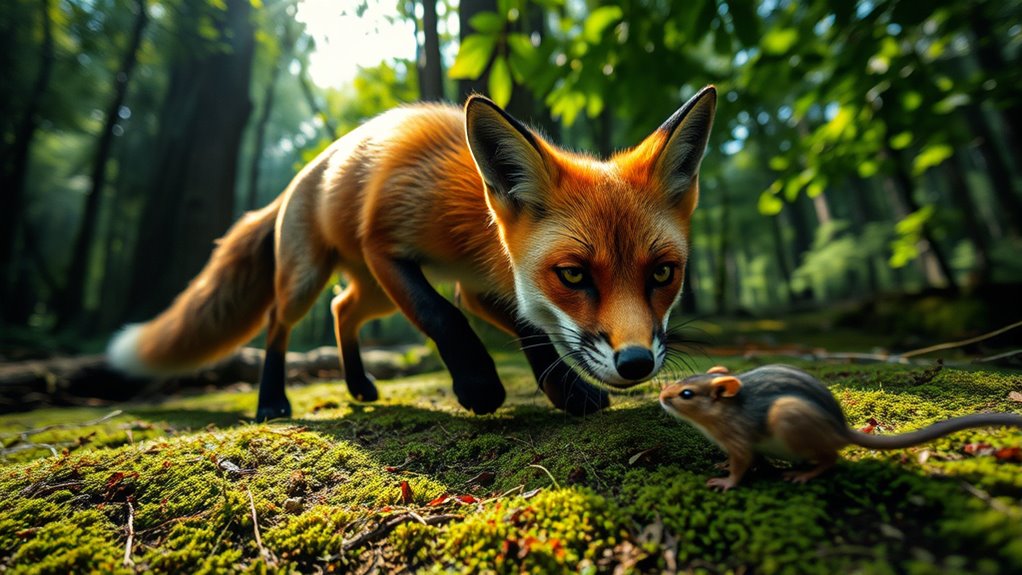
The reciprocal nature of evolution in predators and prey reflects an ongoing adaptive “game” where each side continuously responds to the other’s changes. You can see this dynamic in how prey develop traits like faster escape behaviors, better camouflage, or tougher shells to avoid predation. In turn, predators evolve sharper senses, stronger jaws, or stealth techniques to overcome prey defenses. This back-and-forth drives constant refinement of traits, pushing both predators and prey to adapt rapidly. Because prey often reproduce faster, they can respond more quickly to new threats, forcing predators to evolve even more effective hunting strategies. This evolutionary arms race keeps both populations in a delicate balance, constantly adjusting and refining their traits to survive and thrive within their shared environment. Biodiversity hotspots are often the battlegrounds for these evolutionary exchanges, reflecting the complex interactions that sustain diverse ecosystems. Moreover, selective pressures exert a significant influence on how these adaptations develop over time, ensuring that only the most advantageous traits persist. Additionally, the role of co-evolution highlights how intertwined the evolutionary paths of predators and prey are, further fueling this ongoing cycle of adaptation. Furthermore, advances in genetic analysis have provided deeper insights into these evolutionary processes, revealing the intricate genetic changes underlying adaptation.
Rapid Responses and Adaptive Strategies in Prey
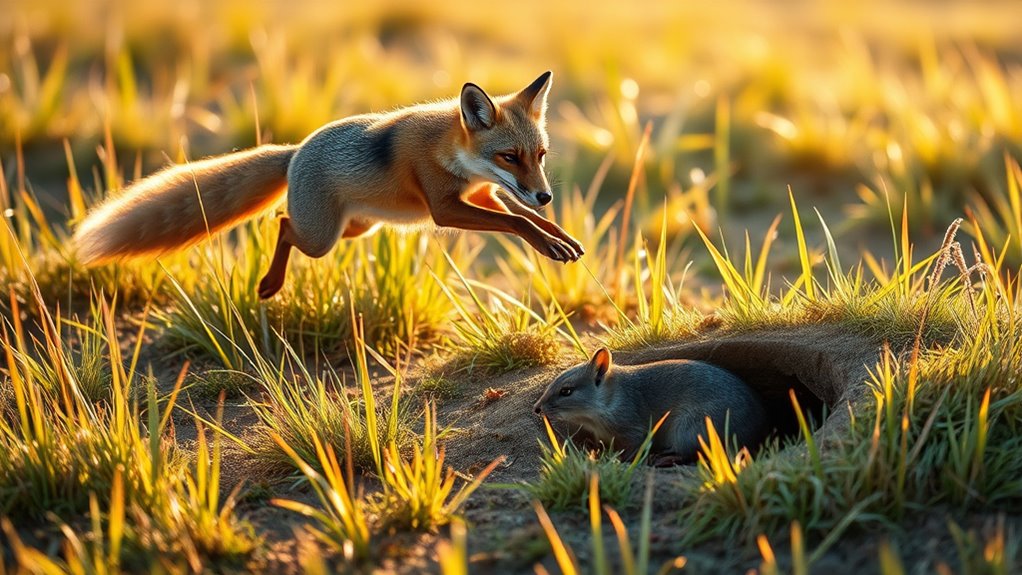
Prey can respond to predation threats with remarkable speed because they often have shorter generation times and faster life history strategies. This allows them to quickly develop defenses like behavioral changes, morphological modifications, and metabolic adjustments. When sensing danger, prey become more alert, increase vigilance, and alter movement patterns to avoid predators. Morphologically, they may develop escape structures such as spines or camouflage to blend into their environment. Metabolically, prey can elevate their activity levels, boosting energy for rapid escape responses. Additionally, prey can employ rapid physiological changes to enhance their chances of survival. These rapid responses include behavioral adaptations, which are crucial for evading predators swiftly. The ability to detect threats early is essential for triggering these adaptive responses effectively. Furthermore, prey often utilize sensory perception to quickly identify approaching predators, enabling faster reaction times. This heightened sensory awareness can significantly improve their ability to react in time. These rapid responses are vital for survival, giving prey a better chance to evade predation before the predator can close the distance. Through these adaptive strategies, prey maintain their populations and continue to influence predator-prey dynamics effectively.
Indirect Effects of Predation on Ecosystem Dynamics

Predators influence ecosystem dynamics beyond their direct consumption of prey by triggering non-consumptive risk effects and stress responses that ripple through the environment. When prey sense predators nearby, they become more alert, altering their behavior and activity patterns. These behavioral changes reduce feeding and foraging, which can impact plant growth and resource distribution. Prey also exhibit physiological stress responses, such as increased metabolic rates and morphological modifications like escape morphologies. These stress-induced adaptations can shift nutrient cycles and energy flow within ecosystems. As prey allocate energy toward survival rather than reproduction, population growth slows, affecting predator-prey interactions and overall biodiversity. Additionally, these behavioral ecology effects influence community interactions and can lead to trophic cascades, further shaping ecosystem structure. These indirect effects cascade through food webs, shaping ecosystem structure, stability, and resilience beyond the immediate predator-prey relationship. Additionally, understanding these complex interactions is essential for ecosystem management, as ecosystems provide vital resources that support economic stability and sustainability. Recognizing the role of stress responses helps in predicting how ecosystems respond to changes in predator populations and environmental conditions, especially as species interactions and community composition are affected.
Population Fluctuations and Resource Availability

You can see how resource availability drives population cycles, causing fluctuations in predator and prey numbers over time. When resources are abundant, populations grow, but shortages lead to declines and potential imbalances. If these imbalances persist, they can push one species toward extinction, disrupting the entire ecosystem. Additionally, brewing methods can influence the energy and resource consumption within an ecosystem, indirectly affecting population dynamics. Understanding the diversity of bee species, such as the common honey bee species in Germany, can help in assessing the resilience of local ecosystems to these fluctuations. Proper headphone maintenance ensures consistent and reliable monitoring of animal behaviors related to these population changes. Recognizing the importance of ecosystem stability can further aid in predicting long-term population trends and preventing collapses.
Resource-driven Population Cycles
How do resource availability and population dynamics intertwine to create natural population cycles? When resources like food or habitat are abundant, prey populations grow rapidly. This surge provides more food for predators, leading their numbers to increase as well. As predator numbers rise, they consume more prey, causing prey populations to decline. With fewer prey, predators face starvation and their numbers decrease, allowing prey populations to recover. This cyclical pattern continues, driven by fluctuations in resource levels. If resources become scarce due to overconsumption or environmental change, both prey and predator populations may crash or stabilize at lower levels. These resource-driven cycles maintain ecosystem balance, with populations expanding and contracting in response to the availability of key resources, ensuring dynamic yet sustainable interactions. Additionally, fluctuations in spiritual energy within ecosystems can influence animal behaviors and overall health, subtly impacting population dynamics and stability.
Imbalance and Extinction
When resource availability becomes imbalanced, predator-prey systems can experience drastic population fluctuations that threaten stability. If prey populations deplete their resources too quickly, they decline sharply, leaving predators without enough food. This triggers predator starvation and population crashes, which can cause prey numbers to rebound suddenly. Conversely, if prey overpopulate due to excess resources, predators may become overexerted, leading to a rapid decline in both groups. These oscillations can spiral into extinction if one species exhausts its resources or fails to recover. Small shifts in resource levels, environmental stress, or habitat loss can intensify these fluctuations, pushing populations beyond sustainable limits. Additionally, natural elements such as climate change or habitat destruction can further destabilize these delicate feedback mechanisms. Changes in resource availability can also influence the reproductive rates and survival chances of both predators and prey, deepening the imbalance. Furthermore, technological innovations like advanced monitoring systems help scientists better understand these complex dynamics and develop strategies for ecosystem management. Recognizing the importance of ecosystem resilience is crucial for maintaining the balance between predator and prey populations. Ultimately, such imbalances threaten the delicate feedback mechanisms that maintain ecosystem stability and species coexistence.
The Role of Body Size and Abundance in Ecosystem Balance

Your understanding of ecosystem balance depends on recognizing how body size affects predation and population abundance. Larger predators often control prey numbers more effectively, but their abundance influences overall stability. Considering these factors helps clarify how predator-prey relationships maintain healthy, resilient ecosystems. Additionally, changes in AI-driven security systems can impact monitoring and management of wildlife populations, further influencing ecosystem dynamics.
Body Size and Predation
Body size and abundance are fundamental factors that shape predation dynamics and influence overall ecosystem balance. Larger predators typically require more resources and often target bigger prey, which can regulate prey populations more effectively. Smaller predators tend to focus on numerous smaller prey, keeping their numbers in check. The body size difference influences predator efficiency, hunting strategies, and prey vulnerability. Abundance also plays a key role; high predator numbers can suppress prey populations, while prey abundance determines predator survival and growth. When predator and prey sizes align ideally, it promotes stability within the food web. Conversely, mismatched sizes or imbalanced populations can lead to overexploitation, disrupting ecosystem equilibrium. Consequently, body size and abundance are critical in maintaining the delicate balance of predator-prey interactions.
Population Abundance Effects
The sizes and numbers of predators and prey directly influence how ecosystems maintain balance. When prey populations grow too large, predators often increase in abundance, helping keep prey in check. Conversely, if predators become too numerous, prey populations decline, risking collapse. The interaction depends heavily on body size and abundance, shaping the strength of predation and resource flow. Larger predators can control higher prey numbers, while smaller prey reproduce quickly to sustain populations. Here’s a simple view:
| Predator Size | Prey Abundance |
|---|---|
| Large | Moderate |
| Small | Rapid |
| Medium | Stable |
This balance ensures ecosystem stability, preventing extinctions or overexploitation of resources. It’s a dynamic dance driven by population numbers and body size, maintaining ecological harmony. Additionally, understanding vibrational energy can help explain how changes in population dynamics influence overall ecosystem health.
Habitat Diversity and Its Impact on Interaction Outcomes

Habitat diversity plays a crucial role in shaping predator-prey interactions by creating complex environments where physical and behavioral traits vary across different landscape patches. These variations influence encounter rates, prey escape strategies, and predator hunting success.
- Different terrain types, like dense forests or open fields, alter visibility and movement, affecting how prey detect predators.
- Variable resource distribution impacts prey hiding spots and predator foraging efficiency.
- Habitat fragmentation can isolate populations, reducing encounters or forcing adaptations to new environments.
- Environmental heterogeneity fosters behavioral diversity, encouraging prey to develop location-specific escape tactics.
This landscape complexity shapes how predator and prey interact, often leading to localized adaptations and diverse ecological outcomes across ecosystems.
Physiological and Morphological Traits Shaped by Predation

Predation exerts a powerful influence on the physiological and morphological traits of prey and predators alike, driving adaptations that enhance survival and reproductive success. As a prey species, you’ll develop features like rapid escape responses, camouflage, or defensive structures such as spines to evade predators. These morphological changes improve your chances of survival in high-risk environments. Predators, on the other hand, evolve traits like larger body sizes and specialized sensory organs to increase hunting efficiency. Your physiology adjusts through enhanced metabolic processes to support increased activity levels during hunting or escape. Successful predation relies heavily on these traits, which are shaped by the ongoing balance between energy intake and demands. Over time, these adaptations reinforce the dynamic interplay between predator and prey, fostering evolutionary changes that sustain ecosystem stability.
Ecosystem Functions Driven by Trophic Interactions

Physiological and morphological adaptations in predators and prey directly influence how energy flows through ecosystems, shaping their overall functions. Your predator’s ability to efficiently process prey supports reproduction and growth, while prey defenses limit predation rates. These interactions regulate population sizes, ensuring resource distribution remains balanced. Consider these impacts:
- Predation controls prey abundance, preventing overconsumption of plants and algae.
- Stress responses in prey alter nutrient cycling, affecting soil and water quality.
- Predator-driven predation influences community composition by favoring certain prey traits.
- Fluctuations in predator and prey populations drive resource availability, maintaining ecosystem stability.
This dynamic balance influences nutrient flow, energy transfer, and biodiversity, ultimately determining ecosystem health and resilience. Your understanding of trophic interactions highlights their vital role in ecosystem functions.
The Significance of Predator Physiology in Maintaining Stability

The physiological traits of predators are essential for maintaining ecosystem stability because they directly influence how effectively predators can find, capture, and process prey. A predator’s body size, strength, and sensory systems determine its hunting success and energy efficiency. Larger predators tend to control prey populations more effectively, preventing overpopulation and resource depletion. Metabolic rates shape how much prey a predator needs, influencing predation pressure and prey behavior. Morphological features like sharp claws or powerful jaws enhance their ability to subdue prey quickly. Behavioral adaptations driven by physiology, such as increased aggression or improved stealth, also play a role. When predator physiology aligns with environmental demands, it helps sustain a balanced predator-prey dynamic, promoting stability across the ecosystem.
Frequently Asked Questions
How Do Prey Modify Their Behavior Under Different Predator Threat Levels?
When you face different predator threats, you adapt your behavior by becoming more vigilant and alert. You may spend more time scanning your environment and reducing activity to avoid detection. If the threat is high, you might change your movement patterns, hide more often, or seek refuge. These behavioral modifications help you survive by decreasing your chances of being preyed upon, especially when danger levels fluctuate.
What Role Does Habitat Heterogeneity Play in Predator-Prey Co-Evolution?
Habitat heterogeneity plays a pivotal role in predator-prey co-evolution by creating diverse environments where traits evolve differently. You’ll see variation in predator and prey behaviors, morphologies, and strategies across different habitats. This diversity influences encounter rates, escape tactics, and adaptive responses, driving evolutionary changes. It fosters local adaptations and maintains genetic variation, ultimately shaping how species interact and evolve within complex, mosaic landscapes.
How Does Predator Metabolic Efficiency Influence Prey Escape Strategies?
You might think predator metabolic efficiency only affects predator survival, but it also shapes prey escape strategies. When predators efficiently convert consumed prey into energy, they’re more persistent and aggressive, prompting prey to develop faster, more effective defenses. This evolutionary arms race pushes prey to enhance their speed, vigilance, and escape tactics. So, higher predator efficiency directly drives prey to adapt more sophisticated strategies, maintaining the delicate predator-prey balance.
Can Non-Consumptive Predator Effects Lead to Long-Term Ecosystem Shifts?
Yes, non-consumptive predator effects can lead to long-term ecosystem shifts. When predators induce stress responses in prey, like heightened vigilance or morphological changes, these alterations ripple through the ecosystem, affecting nutrient cycling, population dynamics, and habitat structures. Over time, these indirect effects can reshape community compositions and ecological functions, creating a new balance that persists even without direct predation, ultimately transforming the ecosystem’s structure and stability.
How Do Predator Body Size Variations Affect Prey Population Resilience?
You see, when predator body size varies, it directly impacts prey resilience. Larger predators can hunt more effectively, reducing prey populations, but may also cause prey to develop stronger defenses or adapt behaviors to escape. Smaller predators might exert less pressure, allowing prey to thrive. This size variation influences prey’s ability to recover from predation, shaping overall ecosystem stability and the resilience of prey populations over time.
Conclusion
You now see how predator-prey relationships weave the fabric of nature’s grand tapestry, each thread essential and intertwined. Like a delicate dance, their balance sustains ecosystems’ harmony, shaping life’s intricate mosaic. Recognize that every shift echoes through the web, reminding you that in nature’s symphony, predators and prey play their parts to keep the melody alive. Respect this fragile equilibrium—it’s the heartbeat of our vibrant, interconnected world.
Fall Picks
fall essentials
As an affiliate, we earn on qualifying purchases.