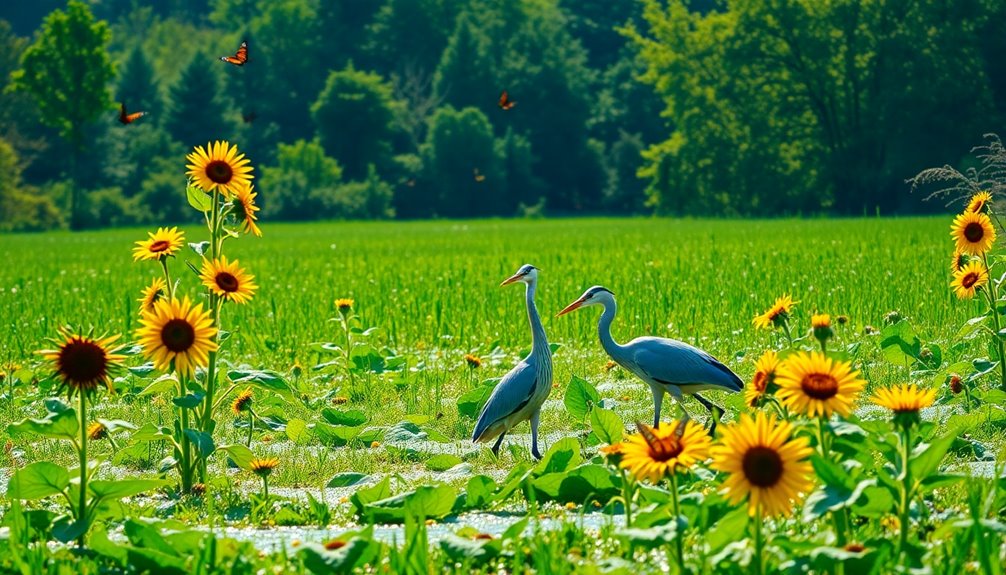

Conservation has led to impressive species recoveries, like the bald eagle and the humpback whale, which show just how effective targeted efforts can be. While biodiversity faces serious challenges, success stories, such as the American alligator and whooping crane, highlight the power of dedicated action. These victories remind us that with commitment and resources, other species can bounce back too. There's plenty more to explore about the ongoing efforts and their impact.
Key Takeaways
- Targeted conservation efforts have successfully increased populations of previously endangered species, demonstrating effective strategies despite ongoing biodiversity loss.
- Successful recoveries, like the bald eagle and humpback whale, highlight the potential for species resurgence through dedicated actions.
- Conservation initiatives have positively impacted biodiversity in 66% of cases, reinforcing the need for continued investment and commitment.
- Species such as the California condor and grey wolves show how addressing human-induced threats can restore ecological balance and enhance ecosystems.
- Hope for future biodiversity exists, as ongoing conservation successes serve as reminders of achievable outcomes and potential for thriving ecosystems.
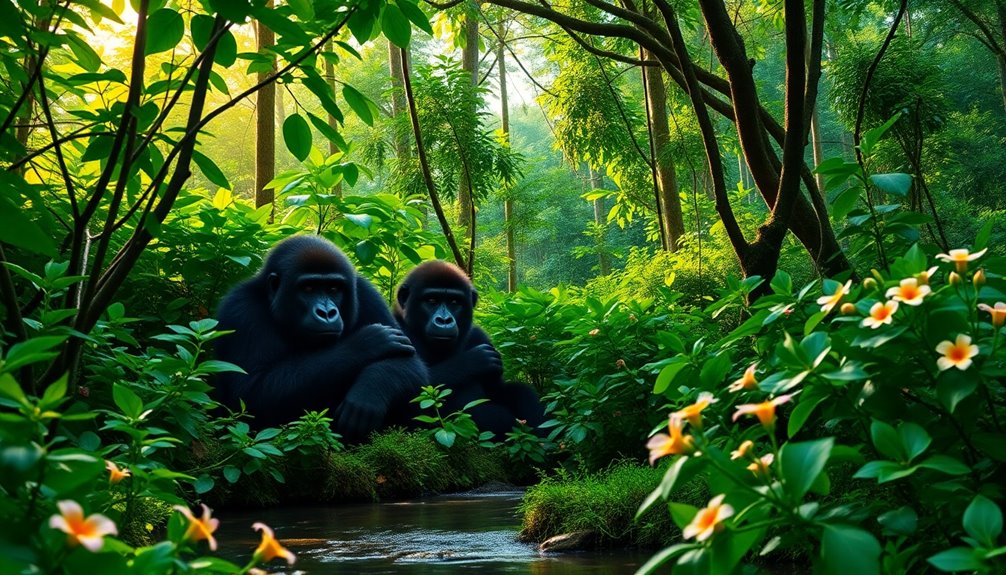
As the world faces an alarming decline in biodiversity, conservation efforts have proven that hope isn't lost; in fact, many species are bouncing back thanks to dedicated initiatives. Take the bald eagle, for instance. Once teetering on the brink, its population has skyrocketed from around 480 nesting pairs in the early 1960s to over 14,000 today. Similarly, the American alligator, nearly extinct just a few decades ago, now boasts a thriving population of approximately 5 million individuals.
Successful conservation stories don't stop there. The green sea turtle's nesting sites have rebounded from fewer than 50 in 1990 to more than 10,000 in 2013, showcasing the power of targeted conservation strategies. You can see the same trend with the peregrine falcon, which grew from a mere 324 birds in 1975 to about 3,500 nesting pairs today. The reintroduction of the Channel Island fox has also led to significant population increases, allowing it to be removed from the endangered list. In fact, the successful recovery of the California condor, once down to just 10 individuals in the wild, highlights the importance of addressing human-induced threats.
Effective management of protected areas is crucial in these success stories. When habitats are restored and resources allocated wisely, species can flourish. For instance, the reintroduction of grey wolves in Yellowstone helped restore ecological balance, benefiting various other species. Similarly, the successful recovery of blue wildebeest in the Serengeti has helped mitigate climate impacts.
Despite these wins, many species still lack active conservation efforts. A recent study revealed that conservation actions positively impact biodiversity in 66% of cases, highlighting the need for continued investment.
The recovery of species like the humpback whale, which increased from 1,200 to over 21,000, and the whooping crane, rising from 50 to 600 birds, showcases the tangible results of dedicated conservation actions.
The remarkable resurgence of the humpback whale and whooping crane highlights the powerful impact of dedicated conservation efforts.
You can see that while challenges remain, these success stories remind us of the potential for recovery. With continued commitment and resource allocation, there's hope for many more species to thrive.

Garden Friends Embroidery Kit – Nature-Inspired Designs + Quilt Pattern – Complete DIY Set with Birds, Bees, Butterflies & More – Beginner-Friendly Needlework Kit
Celebrate Spring Anytime: Inspired by the beauty of nature, this embroidery kit features charming designs of birds, bees,...
As an affiliate, we earn on qualifying purchases.
Frequently Asked Questions
What Are the Main Causes of Biodiversity Loss Globally?
The main causes of biodiversity loss globally include habitat loss from agriculture and urban development, which disrupts ecosystems.
Overexploitation of resources, like overfishing and unsustainable logging, pushes many species toward extinction.
Pollution from chemicals and plastics degrades habitats and harms wildlife.
Finally, climate change alters environments, making it hard for species to adapt.
Each of these factors contributes significantly to the decline in biodiversity, threatening the balance of our ecosystems.
How Can Individuals Contribute to Conservation Efforts?
You can contribute to conservation efforts in various ways.
Start by donating to organizations that protect wildlife and their habitats. Volunteering your time for local conservation projects makes a difference too.
Engage in community outreach to raise awareness about environmental issues. You can also reduce plastic use and support sustainable practices in your daily life.
Every small action counts, whether you're participating in park cleanups or planting native species in your garden.
What Role Do Governments Play in Conservation Initiatives?
Governments play a crucial role in conservation initiatives by creating policies and programs that protect biodiversity. They make land use decisions, coordinate with local communities, and provide funding for conservation projects.
By enacting legislation, they can redirect development away from sensitive areas. You'll find that partnerships with private landowners amplify these efforts, enabling habitat restoration and species protection.
Ultimately, effective governance helps ensure that conservation goals align with public expectations and ecological needs.
Are There Any Successful Conservation Programs in Urban Areas?
Yes, there are several successful conservation programs in urban areas.
You can look at the High Line in New York City, which transformed a former railroad into a green space, or Nottingham's Urban Oasis, aiming to create wetlands for native species.
In Singapore, Bishan-Ang Mo Kio Park showcases water-sensitive design.
These projects not only enhance biodiversity but also engage communities, proving that urban areas can thrive with nature.
How Does Climate Change Impact Conservation Efforts?
Climate change is like a thief in the night, stealing away habitats and altering ecosystems. It impacts your conservation efforts by causing temperature shifts and unpredictable weather patterns, making it tough for species to survive.
Habitat loss and invasive species further complicate your mission, as they outcompete native wildlife. To adapt, you'll need to create wildlife corridors and engage local communities, ensuring nature's resilience in the face of these growing challenges.

SparkJump Premium Bug Hotel Kit for Kids – Easy Wood Craft Kits for Children, Lady Bug House for Garden with Tools, Paints & Glue, Fun Birthday Gifts for Girls and Boys
Build Memories That Last - This easy DIY insect hotel kit turns a weekend project into a lasting...
As an affiliate, we earn on qualifying purchases.
Conclusion
Conservation efforts show us that hope isn't lost, as we watch once-endangered species flourish again, like wildflowers blooming after a long drought. Just when it seems biodiversity is slipping away, these victories remind us that every small win counts. Picture a vibrant forest, teeming with life, where every creature plays its part in a delicate dance. Together, we can nurture these successes, proving that with dedication and care, we can turn the tide for our planet's precious wildlife.

Flower Seeds Garden Kit - 36 Packs of Annual & Perennial Flowers for Planting – with Wildflowers for Pollinators, Bees, Butterflies | Heirloom Non-GMO Seed Starter Pack – Survival Garden Seeds
36 HEIRLOOM FLOWER AND WILDFLOWER SEED VARIETIES – Annual and perennial mix with zinnia, lavender, poppy, echinacea, milkweed,...
As an affiliate, we earn on qualifying purchases.

Lush&Dew Save Bees Garden Seed Bank, Gardening Gift for Women Men,16 Varieties Non-GMO Heirloom Pollinator-Friendly Flower Herb Seeds Kit, Planting in Raised Beds Outdoors, Milkweed Poppy Lupine
SUPPORT POLLINATORS NATURALLY: Includes 16 bee-friendly, Non-GMO Heirloom seed varieties hand-selected to support bees, butterflies and beneficial insects....
As an affiliate, we earn on qualifying purchases.