An international ban on plastic pollution is technically possible, but significant challenges stand in the way. Industry influence, geopolitical interests, and the need for strong, enforceable commitments make progress difficult. Negotiations often stall, and current efforts may rely too much on voluntary measures. However, with increased global cooperation, lessons from past treaties, and collective activism, stronger actions could become a reality. You’ll discover how future cooperation might overcome these hurdles if you continue exploring.
Key Takeaways
- An international ban on plastic pollution is theoretically possible but faces significant challenges from industry influence and geopolitical conflicts.
- Effective global regulation requires binding commitments, which are currently hindered by negotiation deadlock and lack of enforcement mechanisms.
- Lessons from treaties like the Montreal Protocol show that clear, measurable, and enforceable agreements increase success.
- Civil society and technological innovation can support progress toward stronger international measures.
- Achieving a comprehensive global plastic ban depends on sustained diplomatic effort, leadership, and overcoming industry and political resistance.

Small Trash Bags 4-6 Gallon, Inwaysin 200 Count Biodegradable Trash Bags 4 Gallon, Extra Strong Small Garbage Bags Unscented, Size Expanded, Green, for Bathroom Bedroom Office Kitchen Trash Can
CORN STARCH BASED MATERIAL Made of plant extracts (cornstarch) to be broken down more easily, Inwaysin kitchen trash…
As an affiliate, we earn on qualifying purchases.
As an affiliate, we earn on qualifying purchases.
The Scope and Goals of the Proposed Treaty
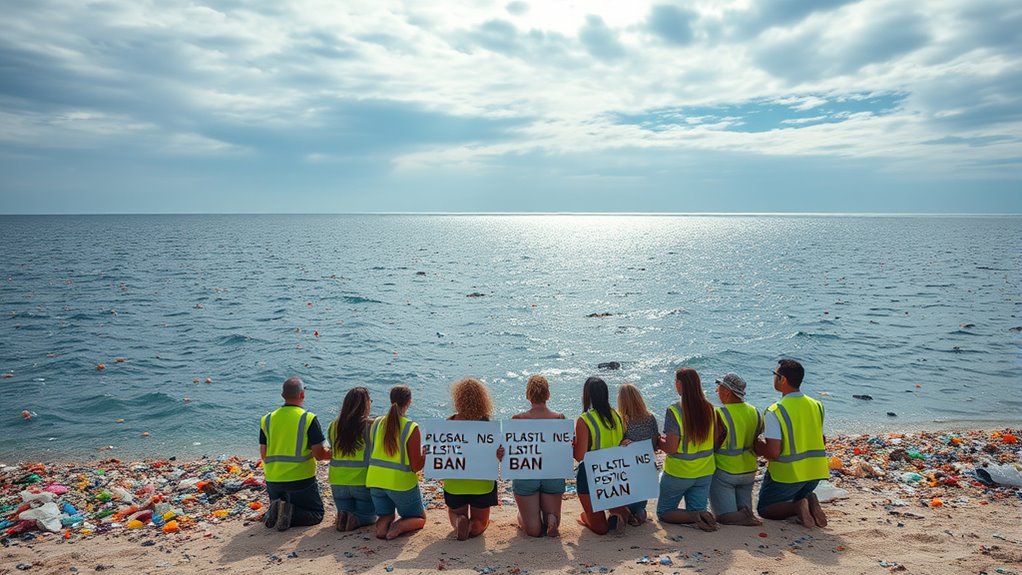
The proposed treaty aims to address plastic pollution all-encompassingly by covering the entire product lifecycle, from design and production to disposal and waste management. Its goal is to reduce global plastic production substantially and promote reuse systems over single-use plastics. You’re encouraged to identify and eliminate hazardous chemicals and polymers of concern from manufacturing processes. The treaty emphasizes a thorough approach, ensuring action at every stage—from raw material extraction to waste disposal—rather than isolated interventions. It seeks to establish legally binding rules that push nations toward ambitious targets, like halting plastic pollution by 2040. Additionally, integrating sustainable practices and other environmentally responsible strategies can support broader environmental goals. Recognizing the importance of raw material management can further enhance the effectiveness of these measures. The treaty also aims to incorporate life cycle assessment to evaluate environmental impacts comprehensively. Ultimately, the treaty aims to foster international cooperation, create clear standards, and drive systemic change to curb plastic pollution worldwide.

Annaklin Reusable Food Bags, 12 Pack 100% Silicone Food Storage Bags Stand Up Zip Lock Container, Freezer Microwave Oven Dishwasher Safe, 4 Medium 4 Small 4 Extra Small, Aqua
【SAFE & RELIABLE】Annaklin's silicone food storage bags are 100% food-grade, free from PVC, lead, chlorine, and BPA. Non-toxic,…
As an affiliate, we earn on qualifying purchases.
As an affiliate, we earn on qualifying purchases.
Challenges Posed by Industry and Geopolitical Interests
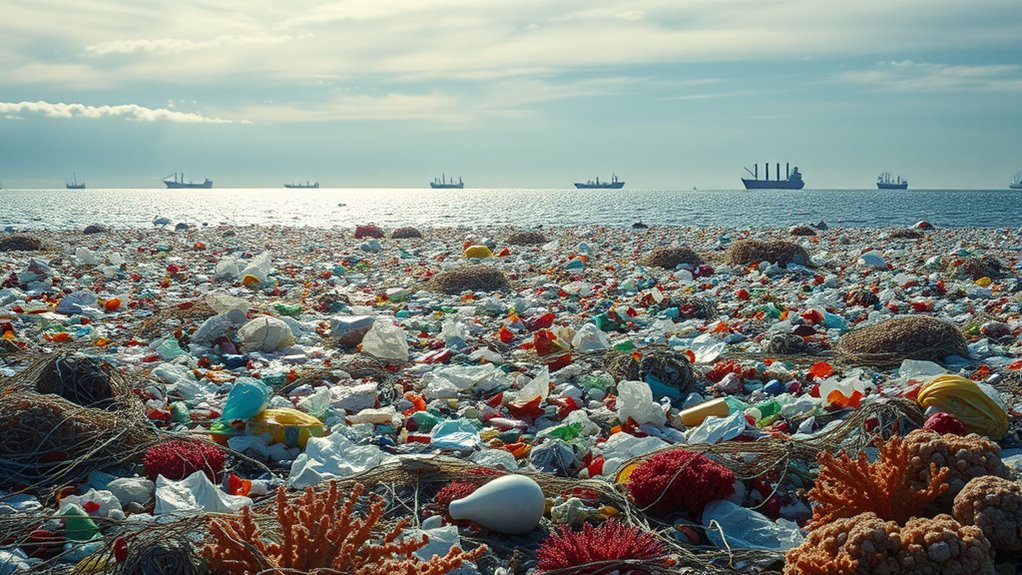
Industry groups and powerful nations often shape negotiations to protect their economic interests, making it harder to agree on strict pollution controls. Their influence can sway decisions and delay meaningful commitments, even when environmental concerns are urgent. Addressing these vested interests is vital if the treaty is to succeed in reducing plastic pollution globally. Incorporating skincare patches principles, such as targeted and strategic application, into environmental policies could enhance the effectiveness of pollution control measures. Understanding the importance of market positioning can help negotiators prioritize sustainable solutions over short-term gains, especially considering the risks assessment involved in implementing new environmental regulations. Recognizing the regulatory landscape is essential for developing comprehensive strategies that can adapt to evolving political and economic pressures. Additionally, fostering a culture of creative practice within negotiation teams may lead to more innovative and flexible approaches to complex environmental issues.
Industry Influence on Negotiations
Industry influence during plastic treaty negotiations presents significant challenges because powerful corporations and interest groups actively shape outcomes to protect their profits. They deploy lobbyists, fund research, and sway policymakers to dilute or block regulations that threaten their business models. Their presence in negotiation rooms often outweighs public and civil society voices, giving industry groups disproportionate power. These corporations push for non-binding commitments, voluntary targets, or narrow scopes that avoid addressing production and chemical use. As a result, ambitious measures like production caps or strict chemical regulations become unlikely. This influence hampers progress, as negotiators may prioritize industry interests over environmental and public health concerns. Without counterbalance, industry agendas risk undermining the treaty’s potential to deliver meaningful change. Additionally, the power dynamics in negotiations can lead to the sidelining of scientific evidence and public health considerations. The dominance of industry actors often results in policy compromises that favor corporate interests over environmental sustainability. Furthermore, industry strategies often include promoting voluntary measures instead of enforceable policies, which diminishes the effectiveness of international agreements. Recognizing the importance of scientific research is crucial to counteract these influences and push for stronger, evidence-based regulations that truly address plastic pollution. Strengthening legislative frameworks can help ensure that environmental policies are grounded in scientific data rather than industry lobbying.
Geopolitical Power Dynamics
Geopolitical interests profoundly influence the negotiations over global plastic pollution policies, often shaping outcomes to favor powerful nations and economic blocs. You’ll notice that countries with significant fossil fuel, petrochemical, and plastic industries push to weaken or stall binding commitments, prioritizing economic growth over environmental health. These nations leverage their influence to sideline stricter regulations, arguing for national sovereignty and economic flexibility. Meanwhile, geopolitical rivalries add complexity, with some countries resisting perceived external pressures or aligning with industry interests to secure trade advantages. You’ll see that industry lobbying, combined with geopolitical power plays, hampers efforts for a exhaustive treaty. This dynamic creates a gridlock, making it difficult to reach consensus on enforceable rules that challenge entrenched economic and political interests. Additionally, the influence of lobbying efforts by powerful industry stakeholders further entrenches resistance to meaningful international regulation.

World Centric Compostable TPLA Assorted Cutlery, Wrapped with 6" Napkin (Pack of 250), Forks, Spoons and Knives, Made from Plants and Minerals, White Bioplastic Utensils, Strong, Heat Resistant
Compostable & Made from Plants: Made from TPLA and Talc (mineral fillers), this disposable cutlery offers a sturdy,…
As an affiliate, we earn on qualifying purchases.
As an affiliate, we earn on qualifying purchases.
The Collapse of Negotiations and Implications for Global Action
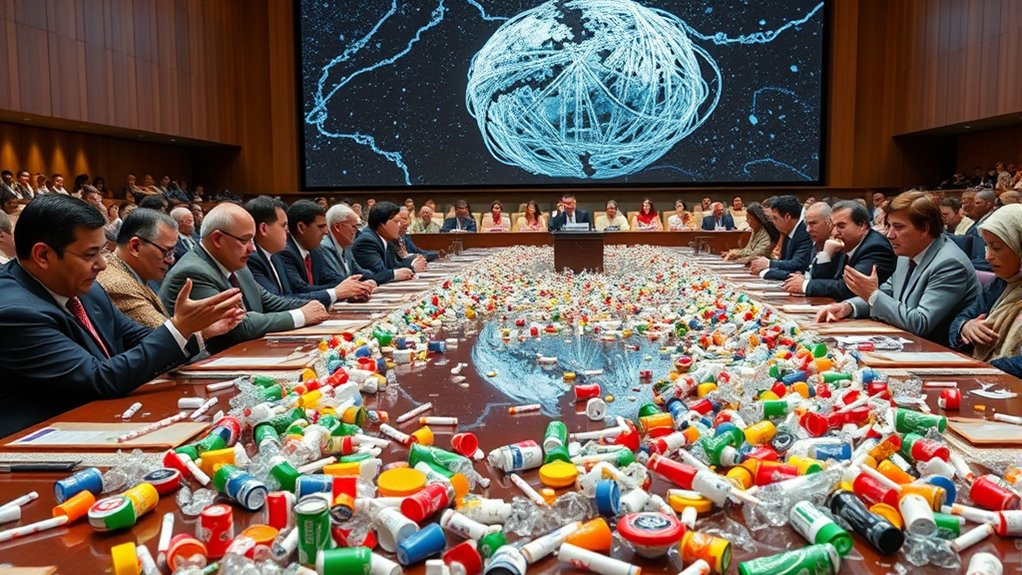
The recent deadlock in negotiations raises serious concerns about the future of global plastic action. Without agreement, countries may struggle to coordinate effective measures, risking further pollution and fragmented efforts. This impasse highlights the challenge of maintaining momentum and fostering cooperation in a highly divided international landscape. Exploring AI’s impact on our future can offer insights into how technological advancements might facilitate greater cooperation and innovative solutions in environmental governance.
Negotiation Deadlock Risks
A deadlock in negotiations risks leaving the global community without a binding framework to effectively tackle plastic pollution. Without an enforceable agreement, countries may continue to prioritize national interests over collective action, undermining efforts to reduce plastic waste worldwide. The collapse of the August negotiations highlights how divergent priorities—such as industry influence, economic concerns, and environmental ambitions—can stall progress. This deadlock could lead to fragmented policies, with countries acting independently rather than through coordinated efforts. The absence of a strong international treaty may also weaken global accountability, allowing polluters to evade responsibility. Additionally, the lack of vetted Mother Baby Kids products reflects broader safety concerns that could be exacerbated by unregulated plastic use and pollution. The ongoing negotiation deadlock emphasizes the need for renewed diplomatic engagement and compromise to prevent further setbacks. Recognizing the importance of global cooperation, many experts warn that prolonged deadlock risks delaying meaningful change, making it harder to address the scale of plastic pollution and protect ecosystems and human health. Moreover, without a comprehensive framework, the proliferation of single-use plastics could continue unchecked, further complicating pollution mitigation efforts. A failure to reach consensus could also diminish international commitment and weaken the momentum needed for effective global solutions.
Future Cooperation Challenges
The collapse of the August negotiations reveals significant hurdles future international cooperation on plastic pollution faces. You must recognize that leadership uncertainty, diverging national interests, and industry influence threaten meaningful progress. You should consider that:
- Leadership gaps could delay or derail future negotiations, reducing momentum. A lack of clear leadership can weaken the negotiation process and diminish the ability to reach binding agreements.
- National interests and economic priorities may prioritize short-term gains over long-term solutions. Countries might hesitate to commit to restrictions that could impact their economies or industries.
- Industry lobbying can obstruct ambitious policies, favoring industry-friendly, non-binding initiatives. Such influence often stalls the implementation of effective, enforceable measures.
These challenges highlight the need for civil society and committed nations to push for stronger, more unified actions outside formal treaties. Recognizing the importance of international cooperation and shared responsibility is essential for effective progress. Overcoming these barriers is *essential* to ensuring future cooperation leads to tangible reductions in plastic pollution worldwide. Additionally, the development and adoption of innovative recycling technologies could play a crucial role in overcoming some of these obstacles. It is also vital to foster global leadership that can coordinate efforts and maintain momentum toward meaningful solutions.

HiBAR – Coconut & Vanilla Plastic Free Deodorant – Natural Deodorant – All-Day Protection – With Sunflower Seed Wax, Rice Bran & Shea Butter – Plastic, Paraben & Aluminum-Free – Vegan – 1 Pack
PLASTIC FREE DEODORANT – Meet HiBAR’s natural, aluminum-free, paraben-free, Plastic Free Deodorant. This natural deodorant for men and…
As an affiliate, we earn on qualifying purchases.
As an affiliate, we earn on qualifying purchases.
Opportunities for Individual and Collective Initiatives

Despite the setbacks in international negotiations, you and your community can still make a meaningful impact on plastic pollution through targeted actions. Start by reducing your plastic use—opt for reusable bags, bottles, and containers. Support local initiatives that promote waste segregation, recycling, and composting. Advocate for policies that limit single-use plastics and encourage sustainable packaging. Participate in community cleanup events to remove plastic debris from local environments. Educate others about the importance of reducing plastic consumption and its environmental impact. Collaborate with local businesses to adopt eco-friendly practices. Collective efforts amplify change, demonstrating demand for stronger regulations and inspiring broader action. Your individual choices and community initiatives contribute to the global movement toward a less plastic-dependent world.
Lessons From Past International Environmental Agreements
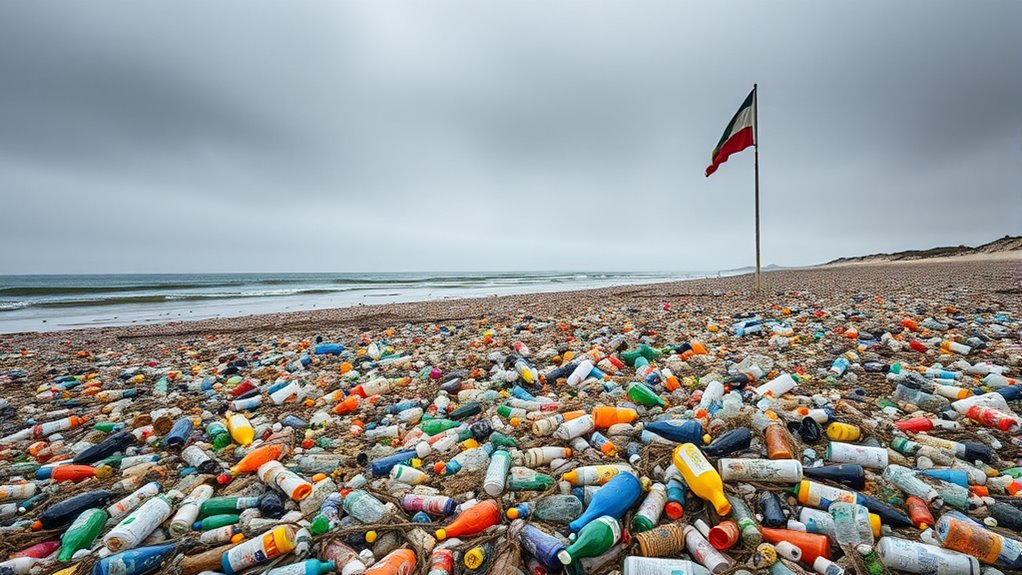
Looking at how past international environmental agreements have shaped global efforts offers valuable insights for addressing plastic pollution. These agreements show that clear goals, strong commitment, and enforceable rules are essential for success. For example, the Montreal Protocol effectively phased out ozone-depleting substances through binding commitments and scientific guidance. The Paris Agreement relies on nationally determined contributions, fostering flexibility but risking insufficient ambition. The Basel Convention successfully controls hazardous waste movement, demonstrating the importance of all-encompassing scope and international cooperation.
- Setting specific, measurable targets helps track progress.
- Balancing flexibility with enforceability encourages participation.
- Strong leadership and civil society support drive accountability.
Learning from these examples, you see that effective treaties require clarity, commitment, and continuous oversight.
Prospects for Future Cooperation and Ambitious Outcomes

Although recent setbacks in international negotiations have cast doubt on achieving a binding global plastic treaty, there remains a strong potential for future cooperation and ambitious outcomes. You can capitalize on the momentum built during negotiations, especially the frameworks established by civil society, scientists, and committed countries. Countries that prioritize environmental health and sustainable development are likely to push for more ambitious targets, such as reducing plastic production and phasing out hazardous chemicals. The upcoming UNEP meeting in Nairobi offers another opportunity to rally support and build consensus for stronger commitments. Civil society and industry stakeholders will continue exerting pressure, encouraging governments to move beyond narrow interests. With persistent advocacy and strategic diplomacy, you can help shape a future where global cooperation results in meaningful, enforceable actions against plastic pollution.
Frequently Asked Questions
How Likely Is a Binding Global Plastic Treaty to Be Finalized Soon?
A binding global plastic treaty isn’t likely to be finalized soon. Negotiations recently collapsed in August, leaving many uncertainties. Major countries and industry groups oppose strict rules, and leadership changes, like Ecuador’s ambassador resigning, add to the instability. While countries are committed to reducing plastic pollution, the current deadlock means it could take more time, or negotiations might end without a concrete agreement. It’s uncertain when or if a binding treaty will be achieved.
What Role Do Developing Countries Play in Shaping the Treaty’s Scope?
You should recognize that developing countries play a vital role in shaping the treaty’s scope because they often prioritize flexible, non-binding commitments over strict regulations. They advocate for equitable treatment, emphasizing economic development and waste management challenges. Their influence can push negotiations toward compromises, balancing environmental goals with their needs, but also risk diluting ambitious measures. Active engagement from these nations is essential to create a fair, effective global plastic pollution framework.
Can Industry Lobbyists Influence Future International Plastic Policies?
Yes, industry lobbyists can considerably influence future international plastic policies. You might think their impact is limited, but they outnumber country delegations and push for weaker regulations that favor production and profits. Their influence often delays or dilutes ambitious measures, making it harder to achieve genuine progress. Staying informed and advocating for stronger regulations helps guarantee policies prioritize environmental health over industry interests.
How Will Enforcement Be Handled if a Treaty Is Adopted?
If a treaty is adopted, enforcement will depend on the agreed-upon mechanisms in the treaty. You’ll see countries commit to specific actions, reporting requirements, and compliance measures. International bodies or the UN may monitor progress, impose sanctions, or facilitate dispute resolution. However, enforcement relies on nations’ commitment and cooperation, so your role in advocating for accountability and pressure can be vital to guarantee compliance and meaningful progress.
What Economic Impacts Might a Global Plastic Ban Have Worldwide?
Imagine a world where plastic suddenly vanishes, like the disappearance of a familiar actor from your favorite film. Such a ban would ripple through economies, disrupting industries reliant on plastic, from packaging to automotive. Costs for businesses would rise, supply chains might slow, and job losses could occur. Yet, it could also spark innovation, creating new industries focused on sustainable alternatives, ultimately reshaping global markets and environmental priorities.
Conclusion
While the path to a global plastic ban remains rocky, your actions can still make waves. This treaty is a fragile bridge, but each effort you make adds a stone to its foundation. Remember, change isn’t just a distant dream—it’s a mosaic you help build, piece by piece. Stay informed, advocate, and act; together, you hold the power to turn the tide on plastic pollution before it’s too late.