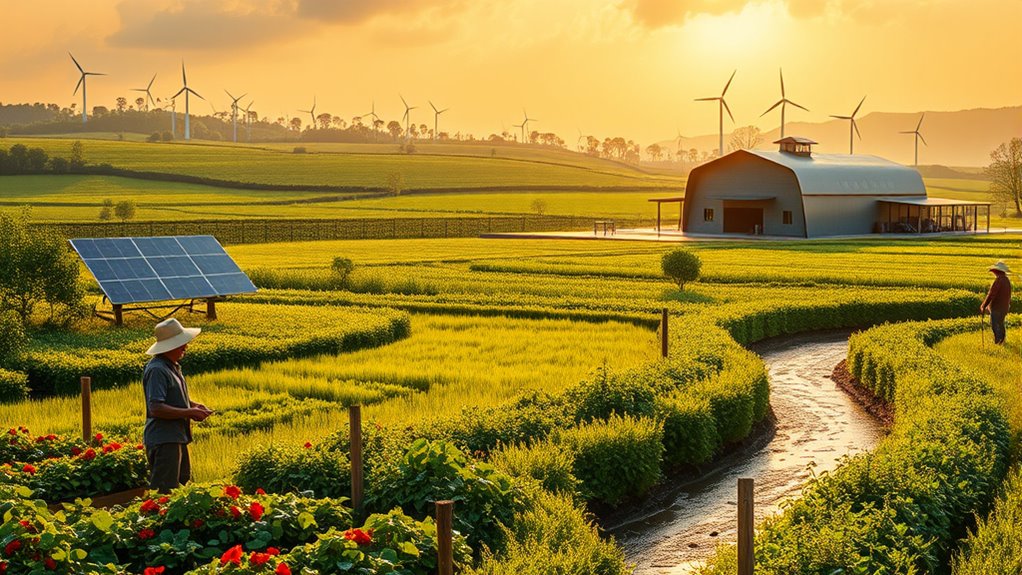

Sustainable agriculture offers promising solutions to meet the world’s rising food needs without harming the environment. By adopting innovative practices like crop rotation, soil conservation, and climate-smart farming, you can boost yields and build resilient food systems. Technologies such as AI, satellite monitoring, and precision irrigation help improve efficiency. Although challenges exist, ongoing innovations and supportive policies can help you understand how sustainable farming can truly feed the future—if you stay engaged.
Key Takeaways
- Adoption of climate-smart, regenerative practices enhances soil health and yields, supporting sustainable food production.
- Integrating innovative technologies like AI and satellite analytics improves resource efficiency and resilience.
- Developing climate-resilient crop varieties and water management strategies addresses climate change impacts.
- Market growth for organic and local foods, combined with consumer demand for transparency, drives sustainable practices.
- Policy support, research, and collaboration are essential to overcome barriers and ensure long-term global food security.
The Rise of Sustainable Practices in Global Farming
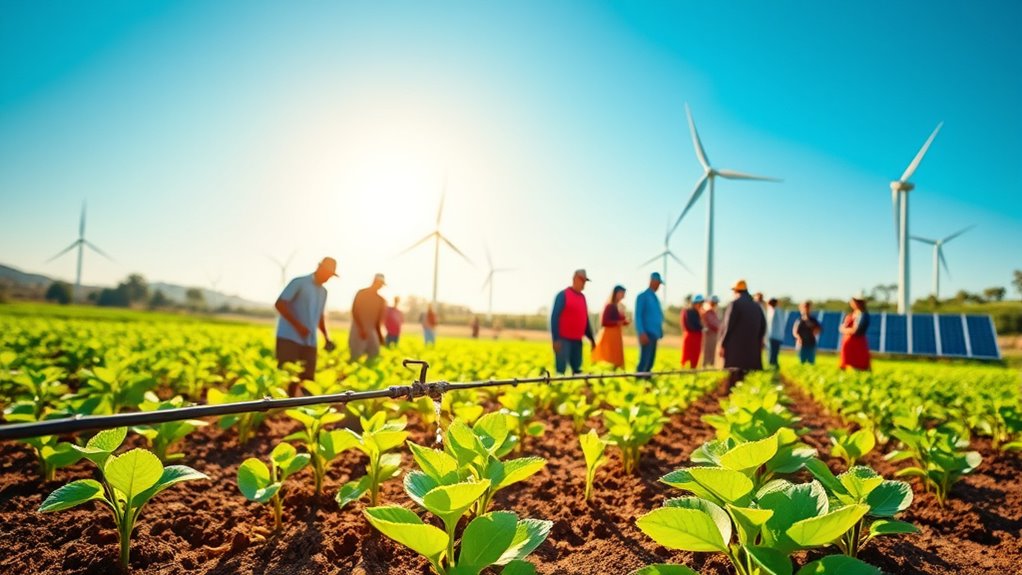
The adoption of sustainable practices in global farming is accelerating as farmers and policymakers recognize their benefits for food security and environmental health. You’re likely to see more farms adopting regenerative soil methods that rebuild soil health, enhance yields, and withstand climate impacts. Precision agriculture, using AI, satellite data, and IoT, is becoming common, helping you use resources more efficiently and cut waste. These practices not only improve productivity but also markedly reduce greenhouse gas emissions—up to 20% globally by 2025. Governments are supporting responsible farming through regulations and environmental assessments, making sustainable methods more accessible. Consumer demand for local, organic, and responsibly sourced food is also pushing farms toward greener practices, creating a positive cycle of environmental and economic benefits. Additionally, integrating herbal teas and other natural products into farming practices can promote soil health and reduce reliance on chemical inputs, further supporting sustainability efforts.
Innovations Driving Agricultural Efficiency and Resilience
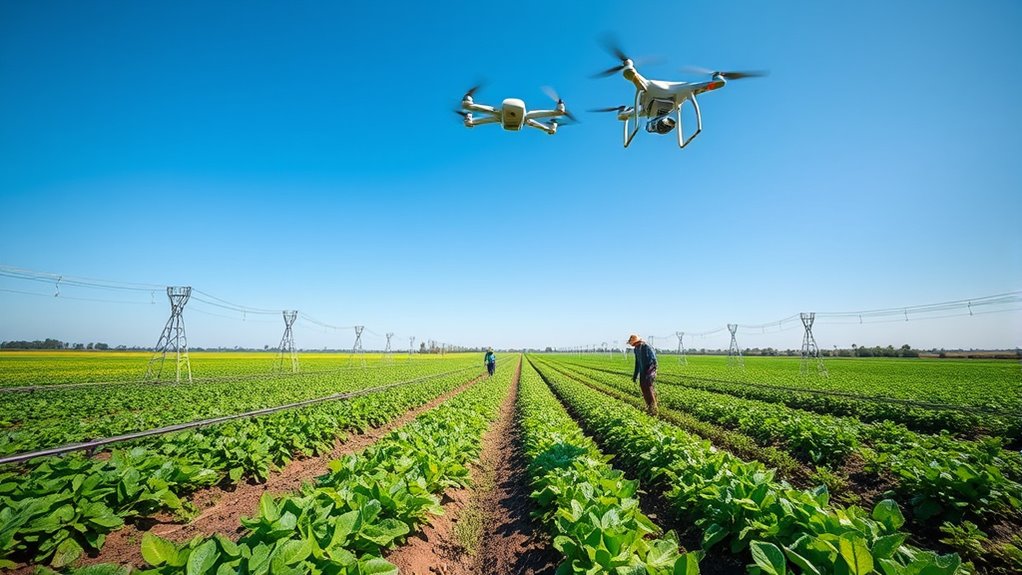
Innovations in agriculture are transforming how farmers increase efficiency and build resilience against climate challenges. You can now leverage precision agriculture tools like AI, satellite analytics, and IoT devices to monitor crops in real-time, optimize resource use, and reduce waste. These technologies help you apply water, fertilizer, and pesticides more accurately, saving costs and lowering environmental impact. Crop management techniques such as crop rotation and cover cropping improve soil health and resilience to extreme weather. Livestock innovations, including biogas from manure, cut greenhouse gases and enhance farm sustainability. Digital platforms streamline supply chains and market access, boosting productivity and profitability. By adopting these innovations, you strengthen your farm’s capacity to withstand climate variability while meeting the rising global food demand efficiently. Additionally, implementing vertical farming methods can maximize space usage and reduce land pressure, further supporting sustainable agriculture practices. Embracing agricultural resilience strategies can also help farmers adapt to unpredictable weather patterns and resource fluctuations, ensuring long-term food security.
Overcoming Climate Challenges and Adapting to Change

As climate change accelerates, you must actively adopt adaptive strategies to safeguard crop yields and farm stability. Implement climate-smart farming techniques like cover cropping, crop diversification, and soil conservation to build resilience against extreme weather and temperature shifts. Use climate forecasting tools to plan planting and harvesting schedules better, reducing crop damage risks. Investing in water management systems, such as drip irrigation and rainwater harvesting, helps conserve resources amid droughts. Embrace methane recovery from livestock manure and reduce soil and nutrient runoff to cut greenhouse gases and improve environmental health. Staying informed about changing weather patterns and adjusting practices accordingly makes your farm more resilient. Additionally, understanding how to identify bad lemon juice can help maintain the quality of your farm products and reduce waste. Developing sustainable farming practices is essential to ensure food production keeps pace with climate challenges and sustains future food security. Incorporating climate-resilient crop varieties can further enhance your farm’s ability to withstand unpredictable conditions. Implementing regulatory compliance strategies for new policies can also help prevent disruptions and ensure smooth operations. Moreover, fostering dynamic communication exercises for couples can improve teamwork and problem-solving skills among farm workers, fostering a more adaptable and cohesive team.
Consumer Trends and Market Growth in Sustainable Food Systems
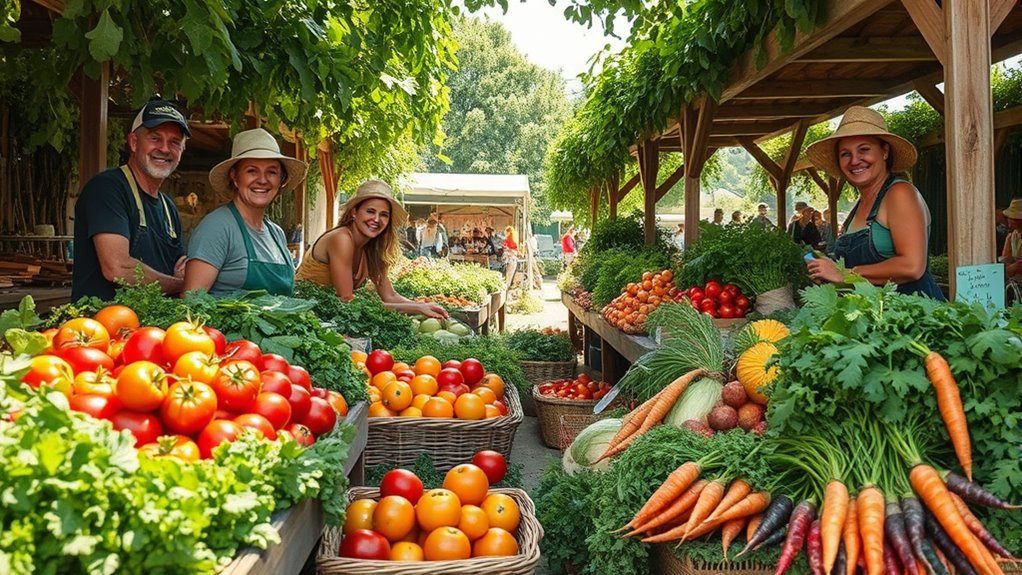
Are consumer preferences shifting toward more sustainable food options? Absolutely. More people are prioritizing organic, locally sourced, and plant-based foods, fueling market growth. This shift isn’t just about health—it’s about making a positive impact on the planet and supporting ethical farming. You can feel the change in the way food is produced and consumed. Here’s what’s happening: – Consumers are demanding transparency about food origins and farming practices – Older generations now embrace eco-friendly choices, influencing markets – Young people actively choose plant-based diets, pushing innovation – Local sourcing reduces transportation emissions and supports communities – Increased awareness about climate change drives more sustainable consumption – The role of consumer awareness in consumer choices is critical, as sustained focus enhances understanding and encourages responsible purchasing decisions. This movement energizes farmers and businesses to innovate, creating a ripple effect toward a more resilient, eco-conscious food system. Additionally, technological advancements in sustainable farming practices are enabling producers to increase yields while reducing environmental impact, further supporting consumer demand for responsible food options.
Navigating Obstacles and Shaping the Future of Food Production
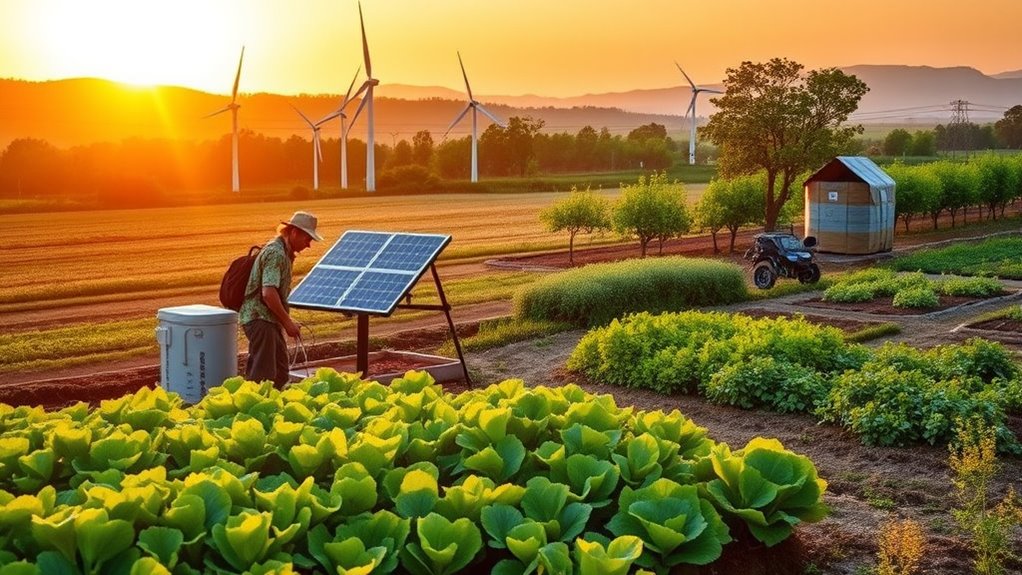
Consumer demand for sustainable food options is reshaping the agricultural landscape, but numerous obstacles stand in the way of achieving widespread change. You’ll face challenges like limited access to new technologies, especially for smallholder farmers who struggle with high costs and lack of infrastructure. Market volatility and fluctuating prices make it harder to adopt sustainable practices consistently. Climate change continues to threaten yields, forcing you to adapt quickly with innovative strategies. Regulatory barriers and inconsistent policies can slow progress, while supply chain disruptions hinder the distribution of sustainable products. To shape the future of food production, you need coordinated efforts—investments in research, supportive policies, and global cooperation. A comprehensive understanding of equipment compatibility is essential to ensure that the tools and technologies used are suitable for sustainable practices. This includes understanding how various tools and self watering plant pots integrate into eco-friendly systems to optimize resource use. Additionally, knowledge of growing chia seeds indoors can serve as a model for sustainable, small-scale food production systems that reduce environmental impact. For example, incorporating juice cleansing techniques can help promote health-conscious choices among consumers, driving demand for sustainably produced foods. To facilitate widespread adoption, efforts to improve access to sustainable technology are crucial, especially for small-scale farmers. Overcoming these barriers is vital to building resilient, sustainable systems that meet rising food demands.
Frequently Asked Questions
How Do Sustainable Practices Impact Global Food Prices Long-Term?
Sustainable practices tend to stabilize long-term food prices by improving efficiency and resilience. When you adopt methods like precision agriculture and crop rotation, you reduce costs and environmental impacts, which can prevent price spikes caused by supply disruptions. Additionally, supporting local sourcing and shorter supply chains can lower transportation costs. Over time, these practices help maintain more predictable, affordable food prices, benefiting consumers and farmers alike.
What Role Do Governments Play in Accelerating Sustainable Agriculture Adoption?
Governments act as the compass guiding sustainable agriculture’s future. They set policies, provide incentives, and establish regulations that encourage farmers to adopt eco-friendly practices. By funding research, improving infrastructure, and creating supportive trade frameworks, they help transform farming into a resilient, innovative system. Their leadership fuels progress, ensuring that sustainable methods become the norm, protecting both the environment and food security for generations to come.
Can Smallholder Farmers Afford Advanced Agricultural Technologies?
You might worry that advanced agricultural technologies are too expensive for smallholder farmers, but many affordable options exist. Governments and NGOs often provide subsidies, training, and access to low-cost tools to help you adopt sustainable practices. Additionally, innovations like precision agriculture and improved crop management can reduce input costs over time, increasing your farm’s resilience and productivity. With support and the right resources, you can incorporate these technologies without breaking the bank.
How Do Climate Policies Influence Sustainable Farming Practices Worldwide?
Climate policies drive sustainable farming practices by providing regulations, incentives, and support that encourage adoption of eco-friendly methods. They promote investments in renewable energy, emissions reductions, and conservation techniques, making it easier for you to implement climate-smart strategies. These policies also foster innovation, improve access to technology, and create market stability, helping you adapt to climate challenges while meeting global food demands sustainably.
What Are the Most Promising Innovations for Reducing Agricultural Water Use?
You should focus on innovations like precision irrigation systems that deliver water directly to plant roots, crucially reducing waste. Incorporating moisture sensors helps monitor soil conditions in real-time, optimizing water use. Drip irrigation, drought-tolerant crops, and rainwater harvesting also play essential roles. These technologies and practices enable you to use water more efficiently, conserve resources, and adapt to changing climate conditions, ensuring sustainable water management in agriculture.
Conclusion
As you consider the future of food, remember that “the early bird catches the worm.” By embracing sustainable practices now, you can help shape a resilient, efficient, and eco-friendly food system that meets the world’s growing needs. Your choices, from supporting innovative farms to advocating for change, make a difference. Together, we can turn challenges into opportunities and ensure a healthier planet for generations to come. The future of food is in your hands.