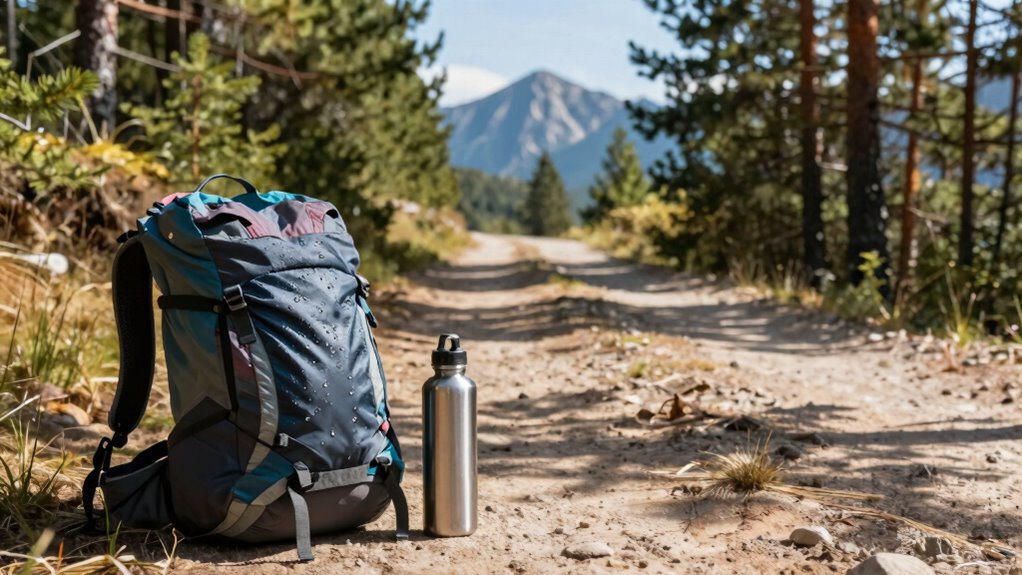

When you’re gearing up for long hikes, hydration packs often surpass water bottles in several ways. They hold up to three liters, so you won’t worry about running out of water. Plus, sipping on-the-go keeps your rhythm intact, especially on steep climbs. They fit snugly on your back, making them comfortable for extended treks. While water bottles are easier to clean and maintain, they can disrupt your flow. Want to know more about which option fits your hiking style best?

Prime made for students and young adults
- Fast, free delivery for dorm and study essentials
- Prime Video and Amazon Music included
- Member-only deals
Key Takeaways
- Hydration packs allow for easy sipping on the go, keeping you hydrated without interrupting your hiking rhythm.
- They provide better weight distribution, enhancing comfort and reducing fatigue on long treks compared to bulkier water bottles.
- Hydration packs require more maintenance, needing regular cleaning to prevent unpleasant tastes, while water bottles are generally easier to clean.
- With a capacity of up to three liters, hydration packs are ideal for long hikes, reducing concerns about running out of water.
- Although hydration packs are durable, stainless steel or hard plastic bottles offer superior resilience in rugged environments.
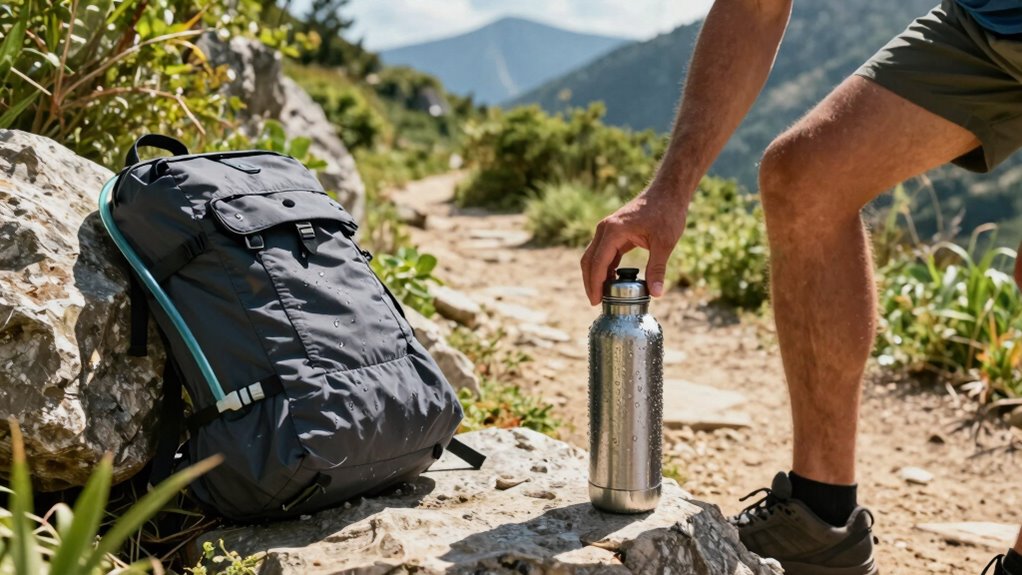
When you’re gearing up for a long hike, choosing how to carry your water can make a big difference in your experience. You’ve got two main options: hydration packs and traditional water bottles. Each has its pros and cons, and understanding them can help you make a choice that suits your needs.
Hydration packs offer excellent water accessibility. With a tube that allows you to sip without stopping, you can stay hydrated while keeping your focus on the trail. This constant access can be a game-changer, especially during strenuous climbs. On the other hand, water bottles require you to pause, reach for the bottle, and take a drink, which can break your rhythm. If you’re concerned about weight distribution, hydration packs typically sit snugly against your back, evenly distributing the weight. This can enhance your comfort level, especially during long treks where you want to minimize fatigue.
Hydration packs provide easy access to water, allowing you to sip on the go and maintain your rhythm on the trail.
However, there are considerations regarding cleaning maintenance. Hydration packs can be a bit finicky. You’ll need to clean the reservoir and tube regularly to prevent any build-up or mold. If you’re not diligent, this could lead to unpleasant tastes or even health risks. Conversely, water bottles are generally easier to clean. You can simply pop them in the dishwasher or give them a quick rinse, making them a low-maintenance option.
When it comes to capacity comparison, hydration packs usually hold more water than standard bottles, often accommodating up to three liters or more. If you’re planning a long hike, this could be essential. You won’t have to worry about running out of water as quickly. However, if you prefer to hike light, a bottle might be sufficient for shorter trails.
Durability factors also play a role in your decision. Hydration packs are often made with robust materials that can withstand the rigors of the trail, but they’re not invincible. Water bottles, especially those made from stainless steel or hard plastic, can be incredibly durable. They’re less likely to puncture or tear, making them a reliable choice for rugged environments.
Ultimately, both hydration packs and bottles have their merits. Consider your hiking style, the length of your trek, and how much maintenance you’re willing to handle. With these factors in mind, you’ll be well-equipped to choose the best hydration solution for your next adventure.
As an affiliate, we earn on qualifying purchases.
Frequently Asked Questions
Can I Use a Hydration Pack for Cycling or Running?
Absolutely, you can use a hydration pack for cycling or running! In fact, hydration pack benefits include hands-free drinking and lightweight design, making it perfect for those activities. While cycling hydration is essential, a hydration pack allows you to sip easily without stopping. You’ll stay focused on the road or trail, keeping up your performance. Plus, you can carry extra gear like your phone or snacks without additional bulk. Enjoy your ride or run!
How Do I Clean My Hydration Pack Effectively?
You might think cleaning your hydration pack is just a quick rinse, but it’s more involved than that! Start by disassembling the components, then use warm, soapy water to scrub the reservoir and hose. For stubborn stains, try a cleaning tablet. Rinse thoroughly, ensuring no soap lingers. Don’t forget to air dry it completely! Following these cleaning techniques is essential for maintenance; it keeps your hydration pack fresh and ready for your next adventure.
What Is the Best Temperature for Water in Hydration Packs?
The best water temperature for hydration packs is around 50 to 60 degrees Fahrenheit. This range helps you stay refreshed and promotes ideal hydration during your hike. Cooler water is easier to drink and absorbs quickly, keeping you energized. Avoid ice-cold water, as it can shock your system and might be less appealing. Remember, staying hydrated is essential, so keep your water at a comfortable temperature for the best results on your journey.
Are Hydration Packs Suitable for Children on Hikes?
Yes, hydration packs can be suitable for children on hikes, particularly when they’re designed for their size. Notably, kids are more prone to dehydration, with studies showing they can lose up to 6% of their body weight in fluids during activity. When choosing a pack, consider age recommendations and confirm it fits securely. Always prioritize safety considerations, like checking that the mouthpiece is easy for them to use, promoting regular hydration.
How Do Hydration Packs Affect My Backpack’s Weight Distribution?
Hydration packs can improve your backpack’s weight balance considerably. When you wear one, the weight sits close to your back, enhancing stability and comfort level during hikes. Unlike water bottles that might shift around, a hydration pack keeps your load streamlined. This design allows for easier movement and reduces strain on your shoulders. By distributing the weight evenly, you’ll feel more balanced and capable of tackling those long trails with confidence.
Conclusion
In choosing between hydration packs and bottles for your long hikes, consider that staying properly hydrated can boost your performance by up to 20%. Imagine powering through that challenging trail, feeling energized and focused, rather than fatigued and drained. Whether you opt for a pack or a bottle, make sure you’re sipping regularly to keep your body fueled. After all, hydration isn’t just about quenching thirst—it’s about enjoying every step of your adventure!
Evergreen bestsellers Picks
bestsellers
As an affiliate, we earn on qualifying purchases.