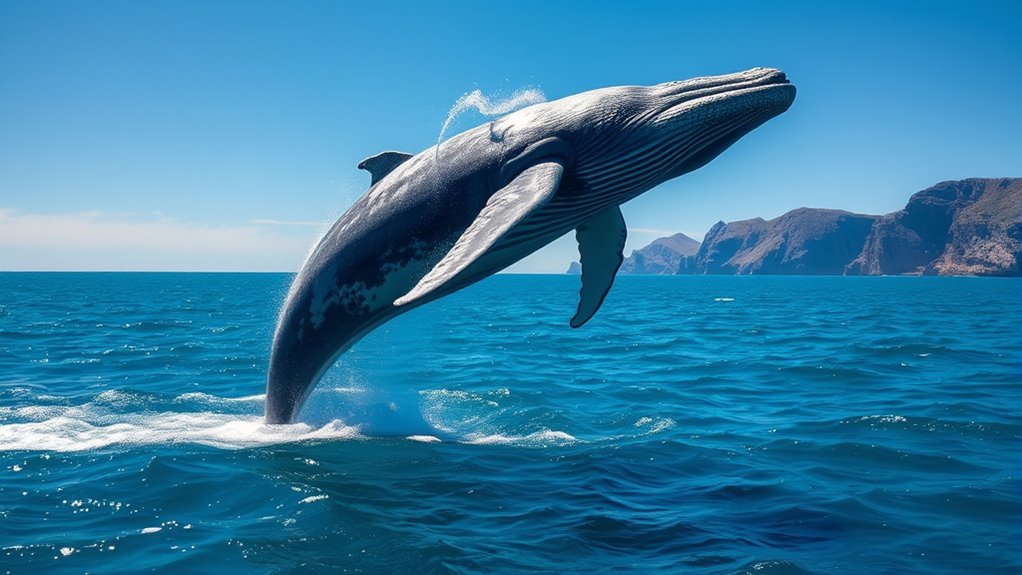

You can follow the incredible journey of blue whales along U.S. coasts as they migrate between rich summer feeding grounds and warm winter breeding areas. They rely on environmental cues, ocean currents, and magnetic fields to navigate thousands of miles each year. These migrations are essential for their survival, but threats like ship strikes and habitat loss endanger them. Keep exploring to discover how conservation efforts help protect these magnificent ocean giants.
Key Takeaways
- Blue whales migrate annually along U.S. coasts between feeding grounds in the north and breeding areas in the south.
- Summer feeding occurs in nutrient-rich habitats like the California Current and Gulf of Alaska, crucial for energy build-up.
- During fall, whales return to tropical breeding zones such as the Gulf of California and Costa Rica Dome.
- Migration is guided by environmental cues, ocean currents, and Earth’s magnetic field, ensuring safe passage.
- Protecting migration corridors and critical habitats is essential for the whales’ survival and reproductive success.

Great Migrations Whales (National Geographic Kids Readers, Level 3): As Seen on the National Geographic Channel
As an affiliate, we earn on qualifying purchases.
As an affiliate, we earn on qualifying purchases.
The Migratory Cycle of Blue Whales
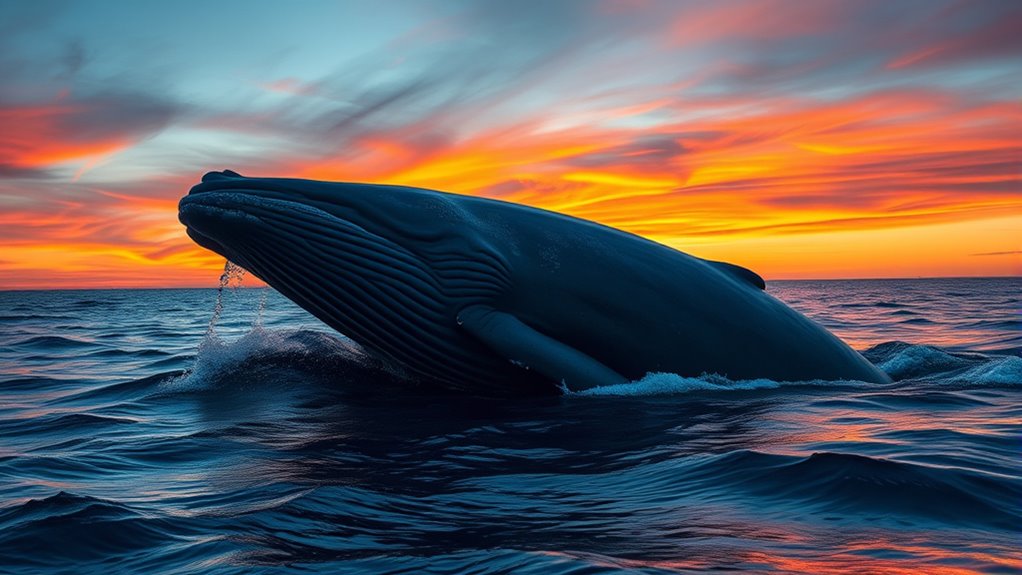
Have you ever wondered how blue whales manage their impressive annual journey? Their migratory cycle is a remarkable feat of endurance and instinct. Each year, they move between cold, nutrient-rich feeding grounds in the summer and warmer, sheltered breeding areas in winter. In spring, they start heading north along the U.S. West Coast, reaching as far as British Columbia, driven by environmental cues and seasonal changes. During summer, they focus on feeding, especially on krill, building up energy reserves for their southward migration. As fall approaches, they begin their return journey to tropical breeding grounds like the Gulf of California, where they give birth and mate. This cyclical pattern guarantees their survival, balancing nourishment and reproduction across vast ocean distances. These migrations are also influenced by ocean currents, which assist in their long-distance travel and impact their migratory routes. The whales’ ability to navigate these routes accurately is often attributed to their highly developed sensory systems, including echolocation. Interestingly, recent studies suggest that magnetic fields may also play a role in their navigation techniques. Moreover, ongoing research indicates that celestial cues could contribute to their precise orientation during migration. Understanding these migratory patterns helps conservation efforts to protect these majestic creatures.

T-H Marine G-Force Conservation Cull System Gen 2 | Eco-Friendly Color-Coded Fishing Culling System with Precision Fish Weighing Clips | Durable & Reliable Fishing Accessories for Tournament Angling
ACCURATE WEIGHING FOR SUCCESS – The G-Force Conservation Cull System Gen 2 features precision-engineered clips for accurate fish…
As an affiliate, we earn on qualifying purchases.
As an affiliate, we earn on qualifying purchases.
Summer Feeding Grounds and Their Significance
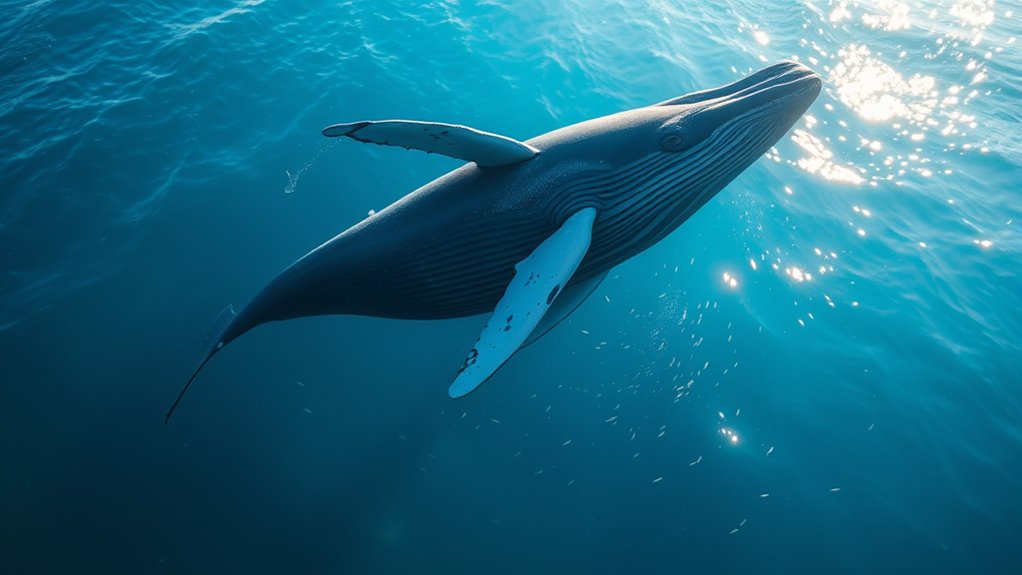
During summer, blue whales rely on areas with abundant krill, which thrive thanks to seasonal upwelling and high ocean productivity. These feeding grounds are vital for building energy reserves needed for migration and reproduction. The timing of the feeding season aligns closely with peaks in prey availability driven by environmental changes. Additionally, regions known for Kia Tuning often feature customized setups that can influence the overall health and energy efficiency of the vessel, paralleling how natural factors optimize whale feeding success. Recognizing the importance of ocean ecosystem health can help in understanding the sustainability of these critical feeding habitats, as ongoing monitoring of marine environment conditions is essential for conservation efforts. Maintaining marine biodiversity is crucial for ensuring the resilience of these ecosystems and the continued availability of prey for blue whales. Protecting these habitats also supports the broader marine food chain, which is essential for the health of many marine species.
Critical Krill Abundance
Why is krill abundance so important for blue whales during the summer feeding season? Because krill provides the high-energy diet that fuels these giants during their essential feeding period. When krill populations thrive, blue whales can consume enough to build energy reserves for migration, reproduction, and survival. Summer upwelling and productive waters, like the California Current and Gulf of Alaska, create ideal conditions for krill blooms. If krill numbers decline, whales face significant challenges in meeting their nutritional needs. This scarcity can lead to weaker health, reduced calf survival, and disrupted migration patterns. Understanding environmental factors influences krill populations helps in conservation efforts. Ensuring abundant krill populations is indispensable for maintaining healthy blue whale populations and supporting their ongoing journey along the U.S. coasts. Additionally, fluctuations in ocean temperatures and oceanographic processes directly impact krill distribution and abundance, further influencing whale foraging success.
Upwelling and Productivity
Upwelling events in the summer months create highly productive waters along the U.S. West Coast, fueling the food chain that sustains blue whales. These upwellings bring nutrient-rich deep waters to the surface, triggering phytoplankton blooms that support abundant zooplankton like krill. This process is essential because:
- It boosts phytoplankton, the primary food source for krill.
- It increases krill populations, providing energy-rich prey for blue whales.
- It creates a seasonal window of high productivity, aligning with whale migration and feeding.
- The nutrient cycling driven by upwelling sustains the entire marine ecosystem, including large megafauna like blue whales.
Feeding Season Timing
In summer, blue whales concentrate their feeding efforts in the nutrient-rich waters off the U.S., where prey like krill thrive. Timing is essential; they arrive when phytoplankton blooms create a surge in zooplankton populations, fueling krill growth. This seasonal abundance allows whales to build energy reserves for migration and reproduction. Their migration aligns with environmental cues, such as upwelling and daylight hours, ensuring they capitalize on peak prey availability.
| Aspect | Details |
|---|---|
| Peak Feeding Months | June to September |
| Key Locations | California Current, Gulf of Alaska |
| Prey Species | Krill, small zooplankton |
| Environmental Triggers | Upwelling, phytoplankton blooms |
| Migration Timing | Northward in spring/summer, southward in fall |

Motipuns 3 Pcs Basic Navigation Set, Include 16 Inch Marine Parallel Ruler with Clear Scales Navigation Divider Marine Nautical Protractor 6 Inch Marine Fixed Points Divider for Boat
Comprehensive Navigation Kit: this basic navigation set includes 1 marine nautical protractor, 1 piece of 16 inch marine…
As an affiliate, we earn on qualifying purchases.
As an affiliate, we earn on qualifying purchases.
Winter Breeding and Calving Habitats
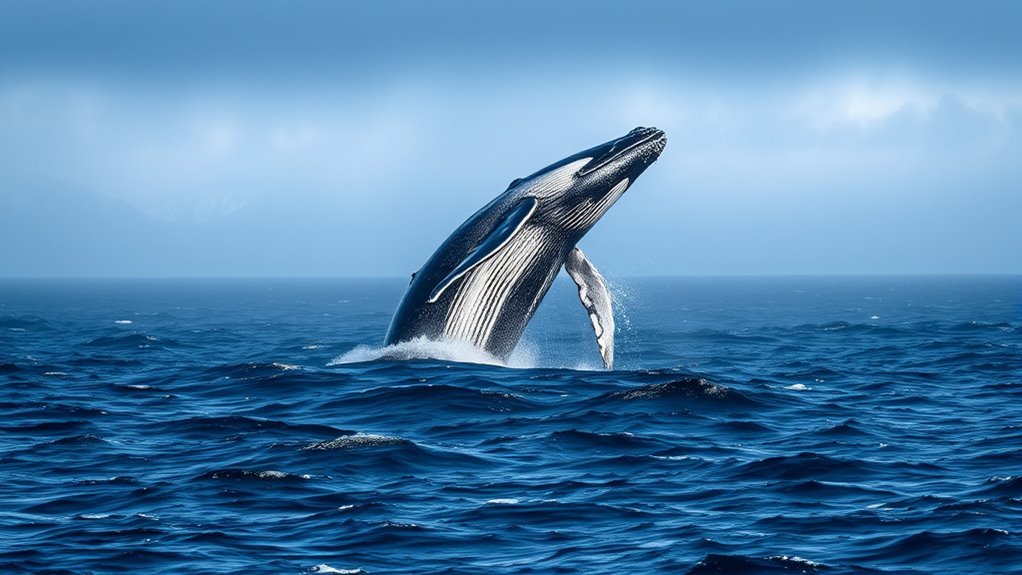
During winter, blue whales seek out warm, sheltered waters to breed and calve, providing a safe environment for newborns. These calving habitats are vital for calf-rearing, offering protection from harsh conditions and predators. However, scientists still face uncertainties about the exact locations of many of these breeding grounds, complicating conservation efforts. Maintaining awareness of home essentials and their role in supporting marine conservation can enhance understanding of these critical habitats. Additionally, understanding how space and organization impact marine environments can help in developing strategies to protect these essential breeding zones. Implementing advanced fraud detection techniques can further aid in safeguarding data related to these sensitive areas, ensuring research integrity and security. Recognizing the importance of sustainable practices in habitat preservation is also crucial for long-term conservation success.
Warm, Sheltered Waters
Blue whales select warm, sheltered waters in the tropics as their breeding and calving grounds, providing a safe environment for newborn calves. These areas, like the Gulf of California and Costa Rica Dome, offer ideal conditions for calving. To understand their significance, consider these points:
- They minimize predator risks for calves.
- They offer stable, warm temperatures essential for neonatal development.
- They reduce exposure to harsh weather, ensuring calmer waters.
- Protecting these habitats supports species survival and the continuation of blue whale populations.
Additionally, these protected zones serve as crucial nursery habitats where calves can develop without constant threat, ensuring their survival and healthy growth. These protected zones support the early life stages of blue whales, helping calves grow strong before their long migration. The calm, warm environment encourages bonding and nursing, indispensable for survival. As you observe these habitats, remember they are key for the species’ continuation, ensuring calves have the best start in life.
Calf-Rearing Environments
Calf-rearing environments are crucial habitats where blue whales give birth and nurture their young in the safety of warm, sheltered waters. During winter, these areas provide ideal conditions for calves, offering protection from harsh weather and predators. Typically, calves are born in tropical or subtropical regions like the Gulf of California or the Costa Rica Dome, where water temperatures stay steady and calmer. These environments allow newborns to develop strength and learn essential behaviors while staying close to their mothers. The warm, shallow waters also support abundant plankton and krill, ensuring a reliable food source for the mother to produce rich milk. Staying in these protected calving habitats for several months helps calves grow and gain the resilience needed for their long migration journey. Hydration and proper nourishment are vital for their growth during this period. Additionally, these calm waters promote calf survival by reducing the risks associated with strong currents and turbulent conditions.
Location Uncertainties
Scientists still struggle to pinpoint the exact locations of blue whale winter breeding and calving habitats because these areas are often remote, hidden, or difficult to access. This uncertainty makes it hard to protect essential regions effectively. You should know that:
- Many breeding sites are in offshore, tropical waters that are hard to survey consistently.
- The whales’ behaviors and locations during calving are rarely observed directly, leaving gaps in knowledge.
- Environmental variability, like changing ocean temperatures and currents, shifts potential habitats over time.
- Developing reliable monitoring techniques is crucial for improving understanding and conservation efforts. Additionally, advances in telemetry technology can provide more precise data on whale movements and habitat use.
- The use of indirect data such as satellite tagging and acoustic monitoring is vital, but these methods can still miss critical details due to the whales’ elusive nature.
Because of these factors, scientists rely on indirect data, such as satellite tagging and acoustic monitoring, which can still miss critical details. As a result, ensuring these habitats’ protection remains challenging, and knowledge gaps persist.

Pet Vitamin Co – Krill Oil Shed-Free Soft Chews for Dogs – Reduce Shedding & Itching – Rich in Omega 3 & Antioxidants – Improves Skin & Coat – Made in USA – 60 Soft Chews
🐶 FOR A BEAUTIFUL GLOSSY COAT – Our shed Free Krill Oil Soft Chews for Pets offer wonderful…
As an affiliate, we earn on qualifying purchases.
As an affiliate, we earn on qualifying purchases.
How Blue Whales Navigate Their Routes
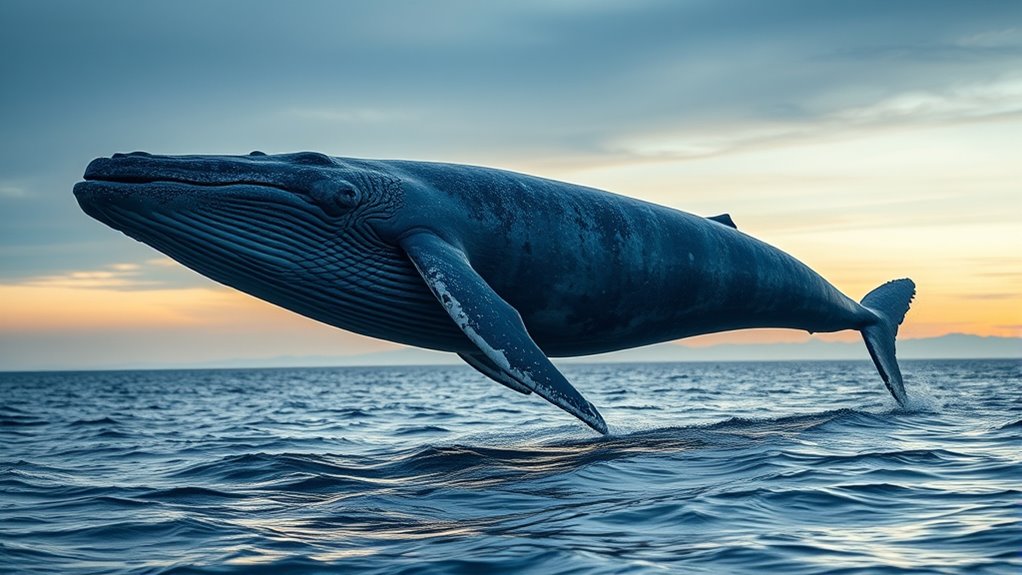
How do blue whales find their way across vast ocean distances? You might think they rely solely on sight, but that’s not the case. Instead, they use a combination of innate cues, environmental signals, and possibly Earth’s magnetic field. Blue whales are believed to memorize specific migration routes learned from their mothers or experienced individuals. They respond to seasonal changes, such as water temperature, prey distribution, and ocean currents, which guide them north or south. Some scientists suggest that whales may also detect magnetic fields, helping them orient even in poor visibility. These sophisticated navigation skills enable blue whales to undertake their long migrations accurately, ensuring they reach feeding and breeding grounds essential for their survival.
Seasonal Timing and Environmental Cues

Blue whales rely heavily on seasonal cues and environmental signals to time their migrations accurately. You can observe how they respond to specific changes in their environment, ensuring they reach feeding and breeding grounds at ideal times. These cues include:
Blue whales use seasonal cues like temperature, prey, and daylight to time migrations perfectly.
- Temperature shifts – Warmer waters signal breeding season, prompting southward movement.
- Prey availability – Increases in krill populations due to upwelling guide their northward migration.
- Daylight length – Longer days in spring trigger hormonal changes that initiate migration.
Major Threats Facing Blue Whales
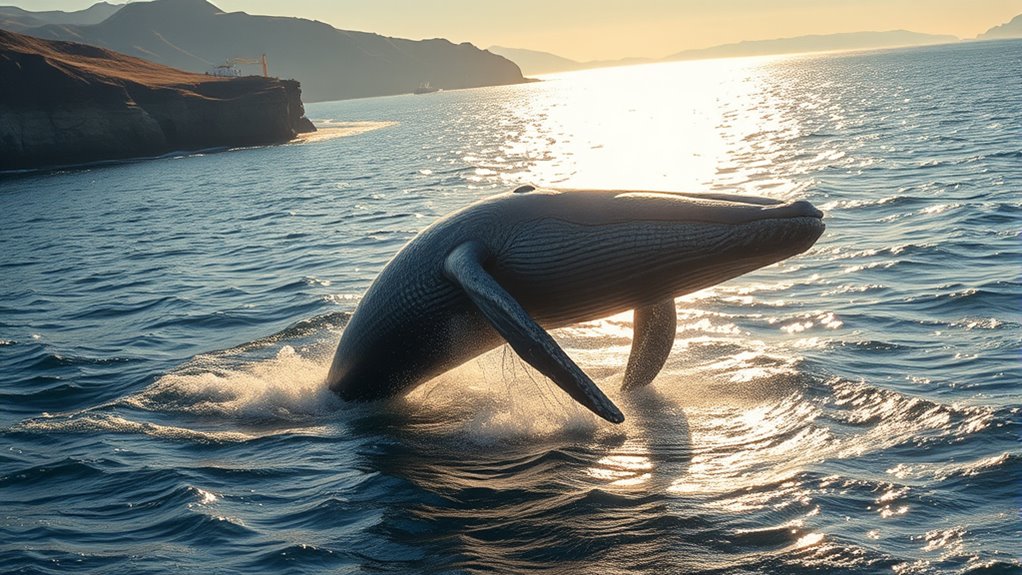
One of the biggest threats facing blue whales today is ship strikes, which can cause serious injury or death. As you navigate busy shipping lanes like the Santa Barbara Channel, you need to be aware of the risk blue whales face from large vessels. Collisions often happen because whales are hard to spot, especially at night or in poor visibility. Underwater noise from ships also disrupts their communication and migratory behavior. Additionally, fishing gear entanglement poses a significant danger, trapping whales and causing injuries or death. Climate change further intensifies threats by reducing prey, forcing whales into riskier areas. Protecting blue whales requires ongoing efforts to manage shipping traffic, reduce noise pollution, and mitigate fishing gear entanglements, ensuring their survival along U.S. coasts.
Conservation Strategies and Protective Measures
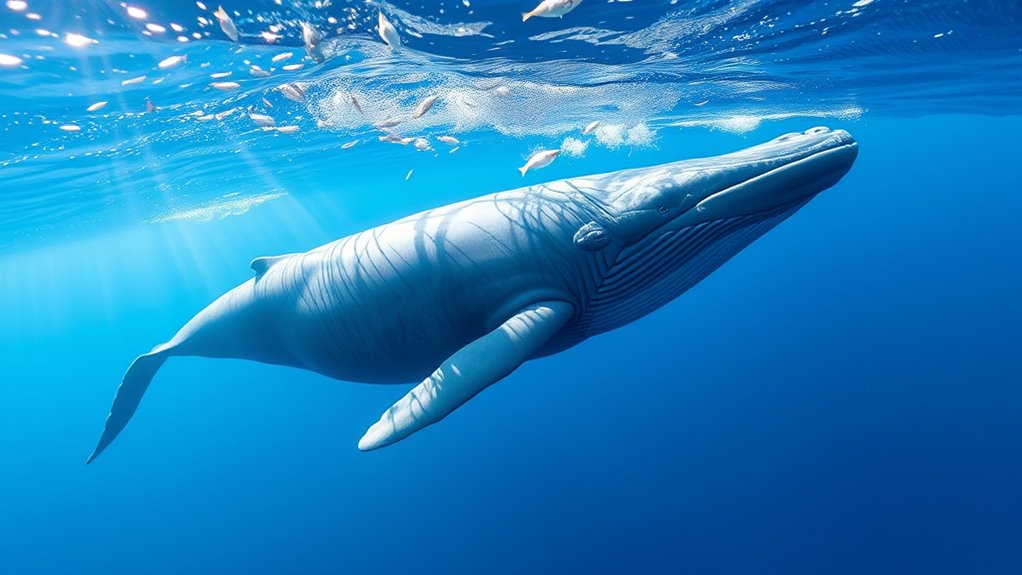
Conservation strategies and protective measures are essential for ensuring the survival of blue whales along U.S. coasts. You can help by supporting initiatives that focus on:
Supporting conservation efforts is vital for blue whale survival along U.S. coasts.
- Designating and protecting critical migration corridors to reduce ship strikes and disturbances.
- Implementing speed restrictions for vessels in key areas during peak whale migration months.
- Enhancing monitoring and research using satellite tagging and acoustic surveys to identify high-risk zones and inform policy.
These actions aim to minimize human impacts and preserve important habitats. Additionally, collaboration between government agencies, scientists, and maritime industries is fundamental. Public awareness and responsible boating practices also play a significant role. Together, these measures help secure a safer future for blue whales along U.S. coastlines.
The Role of Research in Understanding Migration

Research plays a essential role in unraveling the complexities of blue whale migration by providing critical data on their movement patterns and behaviors. Through satellite tagging, you can track their routes, revealing distance, timing, and preferred pathways. Observation databases help identify key feeding and breeding sites, while environmental studies link ocean conditions to migration timing. This information guides conservation efforts and policy decisions. To visualize this, consider the following:
| Method | Purpose |
|---|---|
| Satellite Tagging | Tracks whale movement and route choices |
| Acoustic Monitoring | Detects presence and migration timing |
| Photo Identification | Tracks individual whales over years |
| Environmental Surveys | Links ocean conditions to migration |
This research clarifies how whales navigate, helping protect their journeys.
The Importance of Protecting Migration Corridors

Protecting migration corridors is essential for ensuring blue whales can complete their seasonal journeys safely and efficiently. These routes are vital for their survival, supporting feeding, breeding, and calving. If corridors are disrupted, whales face increased risks such as ship strikes, entanglement, and habitat loss. To safeguard these pathways, it’s crucial to:
- Establish protected zones along key migration routes
- Enforce ship speed restrictions in busy areas
- Improve monitoring and response to threats like noise pollution
Frequently Asked Questions
How Do Blue Whales Remember Their Migration Routes Across Years?
You might wonder how blue whales remember their migration routes year after year. They rely on a combination of innate instincts and environmental cues like water temperature, prey availability, and ocean currents. These cues help them recognize familiar landmarks and adapt their path over time. Their strong memory, combined with sensory signals, guides them efficiently between breeding and feeding grounds, ensuring they complete their long migrations successfully.
What Specific Environmental Signals Trigger Blue Whales to Start Migrating?
You can think of the gentle whisper of environmental signals as nature’s way of guiding you. Blue whales respond to subtle cues like increasing daylight hours, temperature shifts, and phytoplankton blooms that signal it’s time to begin their journey. These cues, combined with innate instincts, gently coax them to start migrating, ensuring they find the rich feeding grounds and warm breeding waters needed for their survival and continuation.
Are All Blue Whale Populations Following the Same Migration Paths?
Not all blue whale populations follow the same migration paths. You’ll find that different groups have distinct routes, often based on their breeding and feeding grounds. Some travel along the west coast of the U.S., while others might follow different routes across the Pacific or Atlantic. Environmental cues and genetic factors influence these differences, so understanding each population’s migration pattern is essential for their protection and conservation efforts.
How Long Does the Entire Migration Journey Typically Take?
You might imagine a blue whale’s migration as a grand voyage lasting several months, typically around 3 to 6 months. As you follow their path, you’ll see them travel thousands of miles, from warm breeding grounds in winter to nutrient-rich feeding areas in summer. Their journey aligns with seasonal cues, with some whales taking longer routes or pausing along the way, making each migration uniquely extended and awe-inspiring.
Do Blue Whales Migrate Alone or in Groups During Their Journey?
You’ll often see blue whales migrating in groups, especially during breeding and feeding seasons. They typically travel in small pods, which can include a few individuals or larger groups, depending on the purpose of their journey. During migration, some whales prefer solitary travel, but many stay close with others, especially when feeding or breeding. These groups help protect them from threats and improve their chances of finding food and mates.
Conclusion
As you learn about the blue whale’s incredible journey along U.S. coasts, you realize that every migration pattern reflects nature’s delicate balance. It’s a coincidence of ocean currents, seasons, and life cycles working together—reminding you that safeguarding these giants isn’t just about saving whales, but maintaining the harmony of our shared environment. When you support their routes, you help ensure their song continues to echo through the deep for generations to come.